Wired and tired: the science of caffeine
Amanda Gardiner investigates what caffeine does to our bodies, from exam-term energy boosts to post-coffee crashes

Caffeine is the world’s most popular drug. A natural stimulant found in chocolate, tea, and coffee, it also appears in soft drinks, energy drinks, caffeine patches, and pills. These energy-boosting products are ubiquitous in our rise-and-grind culture, especially among Cambridge students as exam season picks up. Many of us rely on caffeine day to day: to push through long workdays and revision sessions, fight off sleep deprivation, and still have enough energy to socialise with friends. It is unsurprising that this has become the case. Caffeine has been shown to improve alertness, attention, and aspects of memory, while also helping us with endurance, strength, and task performance.
But is it possible to have too much of a good thing? Anyone who has had one too many lattes or energy drinks would probably say yes. I remember, a few years ago, consuming far too much coffee on a particularly stressful day, only to realise that my heart felt as though it was going to burst out of my chest and my hands were so jittery I could barely write. As I now know, caffeine overconsumption can lead to a range of side-effects, including headaches, migraines, nausea, dehydration, an elevated heart rate, heart palpitations, muscle tremors, and anxiety. In extreme cases, such as the internet-infamous Panera Bread caffeinated lemonade controversy, excessive caffeine consumption has been linked to overdose, cardiac arrest, and death.
“Women may experience fewer of caffeine’s positive effects while being more susceptible to negative side effects”
The easy answer would be simply to not have too much caffeine. In the UK, government guidelines suggest that most adults should consume no more than around 400mg of caffeine a day, while pregnant people are advised to stay below 200mg. Unfortunately, science finds that there is no one-size-fits-all answer to how much caffeine is safe. The amount of caffeine a person can safely consume depends on multiple factors that affect how caffeine is broken down and processed by the body. These include height, weight, medications, existing health conditions, and even sex.
Some research suggests that women may experience fewer of caffeine’s positive effects while being more susceptible to negative side effects such as anxiety. People taking oral contraceptives or estrogen replacement therapy may also process caffeine more slowly, meaning smaller amounts can have longer-lasting effects. The same can apply to people taking certain medications, such as methoxsalen, which is used to treat a wide range of skin conditions.
“Avoiding high levels of caffeine within 12 hours of sleep can help protect both sleep length and sleep quality”
For athletes, caffeine can improve performance, but may also increase the risk of headaches, disrupted sleep, and other unpleasant side effects. For those who suffer from chronic headaches or migraines, caffeine appears to be both a trigger and an acute treatment. As if this wasn’t enough, caffeine’s relationship with mental health is similarly complex: low to moderate coffee intake has been associated with improved symptoms in people with depression, while high intake may worsen symptoms for those with clinical anxiety. Yet all these findings are only the tip of the iceberg when it comes to what scientists are working to understand about caffeine and its effects on the body and mind.
This complexity makes it difficult to know what our approach to caffeine should be. It is deeply human to want a simple answer – whether it is to abstain forever, drink exactly one cup of coffee a day because a headline says it may reduce the risk of Alzheimer’s, or consume as much as we like. Unfortunately, science – and human anatomy – rarely work that neatly. There are some useful general guidelines, for example avoiding high levels of caffeine within 12 hours of sleep can help protect both sleep length and sleep quality. But ultimately, the answer may be less about following a universal rule and more about paying attention to how caffeine affects you personally.
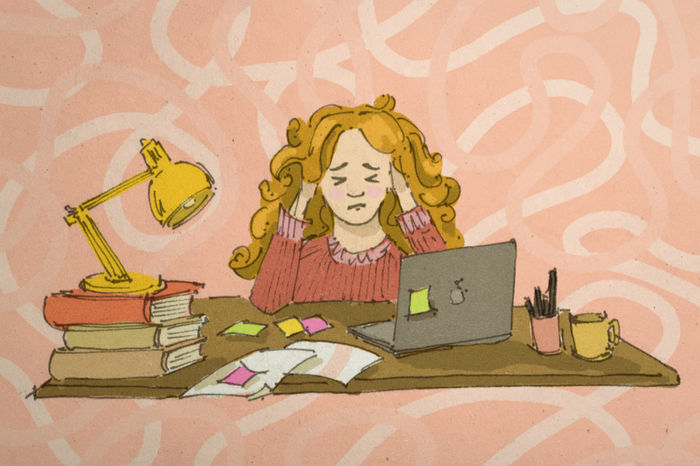
Look at what you are currently drinking and how much caffeine it contains. Research whether any medications you take or health conditions you have might interact with caffeine. Try varying your sources of caffeine to see whether coffee affects you differently from energy drinks. Experiment with consuming it at different times of day to see whether it affects your sleep, anxiety, or work routine. You could even try gradually weaning yourself off caffeine, rather than stopping suddenly and risking withdrawal, before abstaining for two to three weeks to see whether you notice an improvement. It may not be the clean answer we want, but it is probably the most honest one: listen to your body.
 News / Venue cancels Cambridge talk by right-wing commentator Matt Goodwin after backlash28 May 2026
 Features / The language of optimisation and the architecture of merit30 May 2026
 Interviews / Cambridge MP Daniel Zeichner on political realism and the ‘politics of grievance’29 May 2026
 Comment / We must support our strikers29 May 2026
 Lifestyle / Blind Date: ‘I should’ve changed my socks’24 May 2026
 Lifestyle / What kind of punter are you?31 May 2026
 Theatre / CUMT’s The Wind in the Willows brings a classic to life 31 May 2026
 Science / Wired and tired: the science of caffeine31 May 2026
 Interviews / ‘Thank you for the music’: ABBA Support Society on friendship and managing stress through fun 31 May 2026
 Film & TV / Project Hail Mary’s production design shows the power of human creativity30 May 2026