
Ryan Gosling’s latest endeavour consists of the quirky, fiercely intelligent and chaotic biologist Ryland Grace getting stuck in space without his memories, after being sent up to figure out why the sun is dying. Even as a self-proclaimed disliker of the sci-fi genre, I couldn’t help but be sucked into this beautifully vibrant universe full of warmth, friendship and heart. Weeks after seeing the movie, what still lingers in my mind is how colourful and full the world felt. The vivid reds of the alien Astrophage, the blue, green and orange hues of Tau Ceti. All of this colour and life is down to the incredibly hard work by the people behind the film, especially those in charge of art direction!
The sense of humanity that feels so present in Project Hail Mary is not just down to the writing, or the acting chops of Gosling and costars Sandra Hüller, James Ortiz and Lionel Boyce. It is down to the sheer human effort behind making the film so visually stunning. Directors Phil Lord and Christopher Miller greatly prioritised practical effects, with no green or blue screens in use at all. Instead, the creative team built an entire set of a 360 spaceship, which looks nothing short of really cool. The multiple different interfaces within the ship are composed of 150 different screens, all completely hand-made, each showing custom animations. The ingenuity of the set design also means that while it is a 360 set, the walls can be taken apart and split into sections, allowing the cameras to get up close and personal. However, the talent of the VFX team should not be ignored, even with the focus on practical effects over CGI. VFX is still hugely important in giving the film its beautiful, colourful atmosphere, and requires a team of incredibly creative people to craft these impossibly imaginative worlds.
“The vibrancy stands out in the current cinematic trend of subtle, brightly backlit colouring”
Another practical effect is the creation of Rocky, Grace’s alien companion, who has won the hearts of the audience for his unfailing loyalty and adorable catchphrase – “Amaze, amaze, amaze!” While some would assume he is entirely CGI, we actually have the art of puppetry to thank. CGI is still involved in polishing the final character design, but Rocky’s animated personality was down to the hard work of Ortiz and his team who were dubbed ‘The Rocketeers’. Using puppetry instead of just CGI is beneficial from several different angles. Ortiz has previously mentioned that having a physical person in the room with Gosling, who can respond to everything happening in real time, makes the bond between the two feel so much more real. It also benefited Gosling too, ensuring that he didn’t feel like he was engaging in one-sided conversations. Ortiz has also spoken to the emotion that he and his team could put into Rocky through operating the puppet. Tiny details, like ensuring Rocky was constantly in motion, and giving him a gentle side to some of his movements, breathed life into him. Puppeteering isn’t as easy as it sounds either, with many of the operators of Rocky having to manoeuvre themselves into uncomfortable or awkward positions.
I had the incredible opportunity to speak to Tim Browning, one of the art directors for the film, who had a huge role in creating the props, specifically Rocky’s gadgets and habitat. It was fascinating to hear about his experience working on the film, especially how much effort was put into every tiny detail. For example, the intricacy behind the creation of Rocky’s model of Grace to look as if Rocky knitted it himself gives it so much unique character. Browning said this was an aspect that challenged him and his team, crafting “the overall aesthetic language” for Rocky and his creations through manipulating the fictional element, xenonite. This was incredibly difficult, as they had to invent the properties of this new material and the ways in which an alien like Rocky could manipulate it, and interact with it. It was challenging creatively and technically. Further challenge was found in designing Rocky’s “habitrail,” as Browning puts it, which are the tubes and areas of the ship recreating the atmosphere of Rocky’s planet. It had to look both “funky and original,” while remaining functional for cast and crew to operate and move with.
“Project Hail Mary brings something new, and something longed for”
Despite Browning dubbing this “an extremely complicated process from conception to delivery,” all of the team’s hard work undoubtedly paid off, with the final result looking both incredibly impressive and surprisingly natural. Browning specifically spent lots of time at Pinewood Studios in London ensuring he was familiar with any changes to the puppet, as so many of the props needed to be held and operated by Rocky, which added an extra layer of challenge and intricacy. All was made worth it in the end however, after seeing his name in the credits, as Browning quipped!
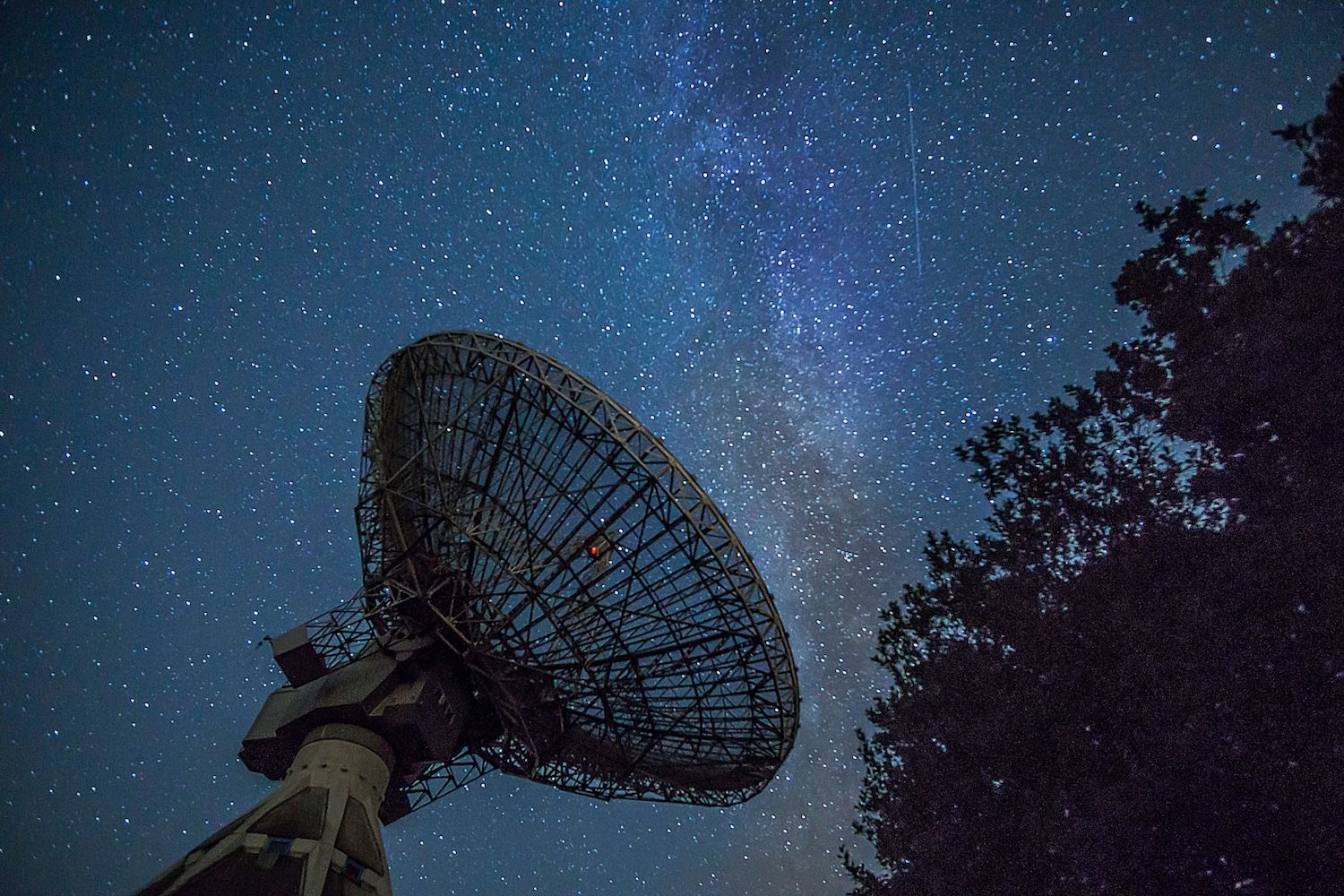
All of the magic happened not too far from home, too. The University of Cambridge’s own Mullard Radio Astronomy Observatory was a filming location for some of the scenes set on Earth, wherein the fictional team of scientists began their research investigating the death of the sun. The observatory is home to some of the largest and most advanced telescopes which fits in well with the technologically advanced alternative universe the film takes place in. Other filming locations in the UK include Durdle Door in Dorset, with its iconic limestone arch and sandy bay used for the heartwarming conclusion (which I won’t spoil so you can watch it and sob yourself!) and the incredible spaceship set, built in the long-standing Shepperton Studios in Surrey.
Project Hail Mary brings something new, and something longed for. There is a clear human effort put into this film by such a creative and dedicated team. The vibrancy also stands out in a current cinematic trend of subtle, brightly backlit colouring. It feels refreshing, reviving and entirely unique.
