Student voting survey shows major shift from Labour to Greens
The poll also shows students are deeply dissatisfied with the current government

A new survey conducted among Cambridge students highlights a dramatic shift in voting intentions, with the Green Party surging to a dominant lead while Labour support collapses sharply.
The survey, carried out in March 2026 by former Cambridge Union president Sammy Mcdonald, found that although Labour secured around 47% of the student vote in the 2024 General Election, closely mirroring the actual Cambridge constituency result, current voting intentions show a stark reversal. The Greens now command 50% support among respondents, a rise of over 33 percentage points, while Labour support has fallen to just 12%. The Liberal Democrats remain relatively stable at around 15%, and Reform UK has nearly doubled its support to just under 10%, largely at the Conservatives’ expense.
The rise of Green support is echoed in the 25-49 age range, as seen in a YouGov poll, where 25% would vote for the Greens in the upcoming election, up 15 percentage points from January 2025. For the 50-65 age group, Reform has the highest voter intention at 31%, 22 percentage points higher than the Greens.
The shift is particularly pronounced among left-leaning and working-class students, where Labour’s vote share has collapsed, being largely absorbed by the Greens. Among those identifying strongly on the left, support for the Greens is overwhelming, while Reform dominates among right-leaning respondents. The data suggests Labour is losing voters across the spectrum, including those who previously identified as socialist or social democratic.
Despite these shifts, the survey indicates strong support for tactical voting, particularly to block Reform. Large majorities of respondents expressed willingness to back alternative parties strategically, with the Liberal Democrats viewed as the most acceptable tactical choice overall. However, the Greens were seen as more polarising, attracting both strong support and notable opposition.
The government’s overall approval rating among Cambridge students is deeply negative, at -53%, with dissatisfaction driven largely by concerns over the economy, leadership, and foreign policy issues. Prime Minister Keir Starmer received a modest average rating of 4 out of 10, with many respondents citing his leadership as a key factor in Labour’s decline. Notably, alternative Labour leaders, particularly Andy Burnham, were seen as potentially capable of recovering significant support.
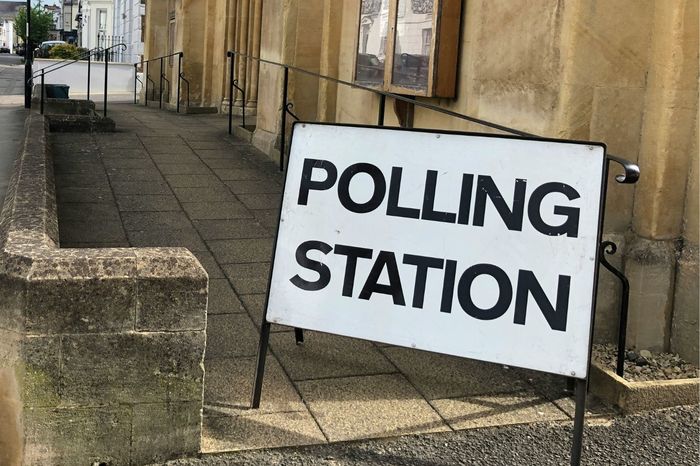
Economic issues dominate student priorities, cited by 42% as the most important factor influencing their vote, followed by immigration and housing. While there is strong support for rejoining the EU, it ranks relatively low as a deciding issue.
Mcdonald notes that the findings are based on an unweighted and informal sample of 204 respondents, primarily Cambridge students and recent alumni, and should not be treated as a scientifically representative poll. Nonetheless, the results point to a potentially significant realignment among younger voters, with implications for future elections.
 Comment / Top of the slops: the competitiveness of college dining4 June 2026
 Interviews / What’s the story behind Pages coffee house?8 June 2026
 News / News in Brief: Cambridge crowns, council confirmations, and competitive cricket8 June 2026
 Comment / The Cambridge drift1 June 2026
 News / Cambridge researchers produce ‘world-first’ AI vaccine6 June 2026
 Arts / Don’t rush me – I’m reading!9 June 2026
 Lifestyle / Don’t Cry at Me, Argentina – a next-year abroad story8 June 2026
- News / News in Brief: Cambridge crowns, council confirmations, and competitive cricket8 June 2026
 Science / Failure is the foundation of science8 June 2026
 Fashion / The hidden gems of formal fashion8 June 2026