Making a case for reality TV
Ellie Buckley explores why reality TV isn’t just brain rot
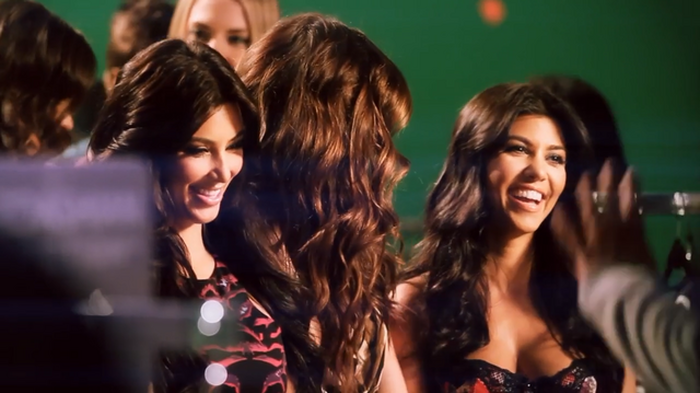
I moved out of my college accommodation promptly on the morning of the sixth, and by the evening I was sitting on my sofa at home, ready to tuck into not only my takeaway, but the multiple seasons of reality TV that came out during term. There’s any of the Housewives, The Secret Lives of Mormon Wives, Married at First Sight, Selling Sunset AND OC, and, of course, Selling Manhattan (I like the real estate stuff, don’t judge). In between the scenes of cheating confrontation and friendship breakdowns, my brain simply ceases to think about my own life, instead becoming wholly invested in those on my screen in some weird form of parasocial relationship. Although that sounds crazily dystopian, I actually think it’s a good thing, contrary to the myriad of views that describe reality TV as junk food for our brains. Reality TV offers a chance to escape from our own worlds, to discuss and analyse human behaviour, and, perhaps subconsciously, to learn from it.
In enjoying reality TV, we become immersed in the extremely petty drama that somehow manages to feel really serious to viewers. And while those emotions feel contained within the show, they also hint at something deeper: these reactions often reflect our own ethical instincts and impulses, revealing what we instinctively praise, condemn, or defend. Reality shows become active interrogations of our own standards and morals, of what we deem right and wrong, all from the comfort of our own sofa. Not only does reality TV offer an opportunity to reflect on how we ourselves would respond in the situations portrayed on screen, but it is also a way of reflecting the worst and best of humanity, an attempt to understand our own actions and perspectives.
“Reality TV can generate and foster emotions that encourage human connection”
It has been argued before that viewers enjoy the chaos and pain sometimes witnessed in reality shows because of a sense of schadenfreude, a pleasure derived from somebody else’s misfortune. But this view is cynical. Reality TV can generate and foster emotions that encourage human connection, such as compassion for when a figure experiences a break-up or death. Through access to the figures in their homes, or in emotional interview-confessional, the people portrayed move from figures on a screen to somebody a viewer could relate to or identify with. They become less of a TV character and more human, forcing viewers to acknowledge them with the same compassion.
But there is also something cathartic to reality TV – who would have thought Aristotle would be in dialogue with Mormon Wives? Viewers often experience emotional release while watching dramatic confrontations or heartfelt moments. Reality TV is somewhat like the tragic theatre – television figures are like extravagant characters having horrible situations thrown at them, which we watch proudly in our leisure. But it is no secret that we turn to reality TV in times of boredom, where life feels static, or for escapism, to live beyond the rhythms of our own lives. And reality TV provides extreme undulating rhythms to take us through the emotional extremes, like tragic theatre. We feel the emotions, witness the situations, without directly feeling the pain. Instead, we feel beside the figures, but at a safe distance. This emotional stirring provides us with a vivid sense of pleasure, allowing us to release the monotony or buried feelings from our own lives.
“Reality TV is somewhat like the tragic theatre”
Additionally, one of the most exciting things reality TV offers is a virtual community. While we become introspective, reflecting on the actions and behaviours of TV characters against our own standards, there is also an external world beyond the one which exists between the singular viewer and the screen. I have fond memories of Twitter in its heyday, when, after the first segment of MAFS, I would spend the whole break perusing the panoply of tweets which were fresh responses to the betrayals and drama occurring on screen. There was nothing better than engaging in the debates about somebody’s behaviour, or finding somebody else had picked up on a minor hilarity that you did too. Likewise, there is nothing better than group chat discourse after a particularly juicy episode of a show you all watch. Reality TV becomes a cultural syllabus – memes and references have sprung from many a Housewives episode – which creates a connection with other viewers.
Reality TV encompasses so much of programming today, likely because it is generally cheaper to produce and less regulated than scripted. Despite this, it can be a really valuable medium, through blurring the boundary between spectacle and self-reflection. Perhaps this is why reality TV has become such a defining feature of contemporary culture: it blurs the boundary between spectacle and self-reflection. Perhaps this is why reality TV has become such a defining feature of contemporary culture: it offers a site for escapism, for emotion, and for communal discourse, all within a medium often dismissed as frivolous.

As I settled back into my sofa ready to rejoin the lives of strangers I’ve never met, I realised that these shows endure because they give us permission to momentarily inhabit a world louder and faster than our own, and to return to ourselves a little lighter. In the end, reality TV isn’t simply something we watch; it is something we participate in, interrogate, and perhaps even something through which we grow.
 News / Report suggests Cambridge the hardest place to get a first in the country23 January 2026
 News / Reform candidate retracts claim of being Cambridge alum 26 January 2026
 News / Cambridge ranks in the top ten for every subject area in 202623 January 2026
 Comment / Cambridge has already become complacent on class23 January 2026
 News / Palestine activists project slogans onto John’s24 January 2026
 Music / Mac DeMarco at the Corn Exchange27 January 2026
 News / Cambridge psychologist to co-lead study on the impact of social media on adolescent mental health26 January 2026
 Lifestyle / Ask Auntie Alice26 January 2026
 Comment / How Cambridge Made Me Lose My Faith26 January 2026
- News / Reform candidate retracts claim of being Cambridge alum 26 January 2026