Trans musicians aren’t denying their biology, they’re owning it
Caitlin Newman examines the artistic prowess of trans+ artists and the personal freedom music can bring
I am a proud member of my college’s female voices a cappella choir, Aquila. The weekly rehearsals provide a safe, low-pressure environment for students and staff at St John’s to work through all kinds of pieces, from sea shanties to Glee covers. I also happen to be non-binary. In the midst of vitriolic anti-trans rhetoric spreading across the globe and regularly making its way into Cambridge news, announcing my gender can feel like some shocking and taboo revelation. But, in spaces dedicated to music and community, nobody cares. I have free reign to express my vocal capabilities without anyone trying to slap a label on me or question my validity in that environment.
“There’s something uniquely honest when it comes to trans+ identity in music”
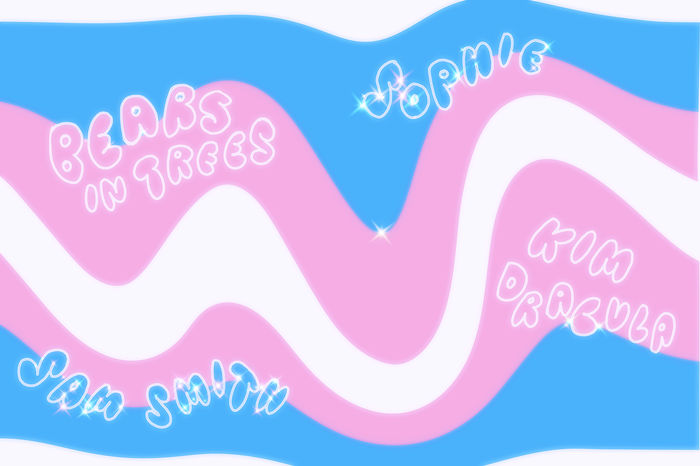
From the warmth I’ve experienced in spaces like Aquila, it’s no wonder to me that the music industry has provided a creative haven for many transgender artists. There’s something uniquely honest when it comes to trans+ identity in music. Transfemme artists from SOPHIE and Kim Petras to Jane Revolver and Fraxiom have led the hyperpop charge, embracing all aspects of their journey and vocal range without fear of judgement. The alt-rock scene has also begun to showcase trans+ talent, with non-binary performers such as Kim Dracula, Bambie Thug and Demi Lovato refusing to shy away from unapologetic androgynous expression. For any trans+ folks and allies looking for sources of inspiration and celebration during this trying time for our community, music can be a powerful source of hope.
For gentle motivation and an indie sensibility, Bears In Trees’ ‘Some Character Development’ is the ultimate anthem for championing self-love and queer love in equal measure. Whether you’re preparing to introduce your genderqueer relationship to your family or simply looking for your own reason to wake up before eleven, this track has you covered. The endearing list of gender-neutral relationship metaphors is a particular lyrical highlight, my personal favourites being “the twist it to your bop it” and “the Tails to your Sonic”. The music video, directed by Bears in Trees’ non-binary bassist Iain Gillespie, only enhances the queer joy of this track, featuring whimsical androgynous fashion and rainbow confetti aplenty.
“Some of these tracks act as a form of genderqueer time-capsule”
If you’re someone who prefers a harsher sound, SeeYouSpaceCowboy and Kim Dracula’s ‘Lubricant Like Kerosene’ is a dynamic showcase of rock prowess. Frontwoman Connie Sgarbossa’s vocals carry fierce, seductive grit. Coupled with Kim Dracula’s guttural screams and whining belts, ‘Lubricant Like Kerosene’ is primally raw. At the same time, this number is by no means devoid of melody. The thick bass timbre is especially complementary of Sgarbossa’s drawled verses, while Dracula’s taunting calls in the prechoruses are wickedly satisfying.
Many of the artists featured on this playlist came out in the public eye long after their biggest hits. However, some of these tracks act as a form of genderqueer time-capsule, providing a unique perspective on how androgynous expression boldly entered our culture before many of us had access and safe spaces to explore our queer identities. Janelle Monae’s ’Tightrope is a prime example. The track takes inspiration from many male icons from R&B and soul worlds, with nods to James Brown and Michael Jackson littered into the vocal and aesthetic stylings of the music video. In what was an especially gendered period for the music industry, the simple act of donning both a tux and some blush felt thrillingly defiant.
“The simple act of donning both a tux and some blush felt thrillingly defiant”
Similarly, a young me envied Sam Smith’s masterful combination of suave aesthetics with gentle falsetto and heartwrenching lyrical themes. Now, reflecting on the sorrows of In The Lonely Hour later into my queer journey, the themes of rejection and ostracisation rang truest to me in those years where, perhaps like Smith themself, I hadn’t worked out my place in binary society. As demoralising as some of my early experiences trying and failing to navigate gendered social structures were, there’s something beautiful in the fact that this trans experience was being recognised and depicted in mainstream art even before we had the language to describe it.
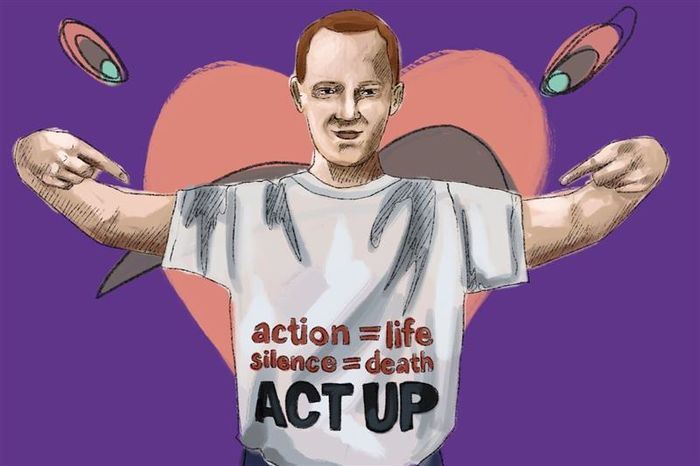
In the only correct way to end a trans+ playlist, we close with the late SOPHIE’s ‘It’s Okay To Cry’. As one of the only SOPHIE tracks featuring her own vocals, it carries a maternal warmth as she narrates and reassures us through our woes. Her words feel especially pertinent in the current age: the resilience of the trans+ community is beyond commendable, but consistently pushing on in the face of adversity simply isn’t sustainable. Such emotional suppression is an especially great risk in the Cambridge term, when many of us are just trying to get through our weekly contact hours, assignments and extracurricular commitments in peace. But, I implore you to take a moment for yourself with this angelic track – and all of the beautiful trans+ art on this playlist – and remind yourself that, truly, it’s okay to cry.
 Comment / Top of the slops: the competitiveness of college dining4 June 2026
 News / Two more women allege sexual harassment by classics professor Simon Goldhill 28 April 2026
 Comment / The Cambridge drift1 June 2026
 Features / One big happy (college) family?4 June 2026
 News / Cambridge psychologist warns against blanket social media ban for under-16s1 June 2026
 Music / T.S. Eliot meets Eurovision: LYR + Natalie Wildgoose at The Storey’s Field Centre7 June 2026
 Features / Chronic illness and the Year Abroad6 June 2026
 Film & TV / What to watch this Pride Month6 June 2026
 News / Cambridge researchers produce ‘world-first’ AI vaccine6 June 2026
 Comment / Should we still read Philip Larkin?6 June 2026