Breaking no contact…hours
Katie Ballingall reflects on what it’s like to study a degree with fewer contact hours in Easter Term

I’m sure we can all sympathise with the NatScis and their Saturday nine am lectures. Nobody wants to be awake, never mind surfacing from bed and making it to New Museums that early on a weekend. The contact hours of STEM subjects are gruelling, without a doubt. Yet as a historian, I joke of my own measly seven hours a week, and don’t even mention the historical thinking weeks. Because yes, we need a week to think when doing historiography. I am fearful to even mention the current joys of finishing exams in Week 0.
Yet I have heard little on the unique challenges schedules like these pose: finding self-motivation when time stretches out, actually leaving your desk or speaking to another human. I absolutely cannot dismiss the advantages of low contact hours. Choosing when to wake up really is a blessing, and being able to hit the snooze button without an impending sprint to get ready is a joy. But with no lectures at all, I didn’t realise how much I enjoyed those five-minute chats before lectures started until they were gone.
“What was I supposed to fill my day with if not with productivity?”
Cambridge life works at double speed. You pack as much as you can into an eight-week term, rushing from place to place and always moving between tasks. The holidays are when we find time to rest and recover, remembering what it feels like to sleep for an uninterrupted nine hours. But with exams over, I had two months of a term that had barely begun. In many ways it felt wrong – what was I supposed to fill my day with if not with productivity? Now that we are approaching the end of term, I can say with certainty that this has been my term of side quests. But my random adventures have filled a more important role in my life than just randomness. Waking up to an empty calendar can be freeing, yet when this happens day after day, it can be isolating. Without pre-planned weeks of lectures, planning my days in advance gave me some structure and prevented the day from slipping away without really doing anything at all.
Lacking a lecture to rush out of bed for, or a supervision to finish my reading for, I found myself operating at a slower pace. Yet it was all too easy not to leave college for days at a time. Instead of staring at the same four walls, finding new spaces has been a nice change of pace. I have been slowly venturing into more libraries on Sidgewick Site, forced to find a base without the use of the History Faculty. The economics library, for example, surprised me with its cosiness despite its grey outward appearance. It was like a warmer version of the University Library reading room; its smaller size created a more inviting space. Admittedly, even if the library wasn’t enough to keep me onsite, the cakes in the buttery were normally enough to convince me to stay at least until lunchtime.
“Cambridge is truly busy, bold, and beautiful, and our degrees are fleeting”
Furthermore, no humanities student is a stranger to reading – we all pile through troves of chapters each week from those never-ending reading lists. But clinging on to my time for fiction in the evening has been my aim throughout the year. Now with more time in Easter Term, I’ve found a myriad of nooks tucked around town that are ideal to curl up in with a book. If you’re at a hill college, might I recommend Dulcedo Social (they do a scrumptious caramel latte and apple custard pastry). This is ideal for breakfast or brunch, and definitely arrive early to get the best selection of treats. Another recommendation would have to be Michaelhouse Café. It offers a cosy gothic vibe with some breathtaking stained glass windows, the sort of place where you lose track of time entirely. Serving tasty lunch, a student discount, and an abundance of seats, this unique spot has become one of my favourites. The perfect place to find a murder mystery to accompany you to these cafés is Bodies in the Bookshop. It is teaming with pre-loved tales waiting for you to dive in. I mean this literally: the books are stacked and piled around the room on the top floor. Or when I wanted both café and books, the classic option of Waterstones deserves an honourable mention. Exploring new cafes offered me variation to break the pattern of mundane routine, a place for some creativity or to actually finish off that lingering piece of coursework (us historians do have some work to do after all!).
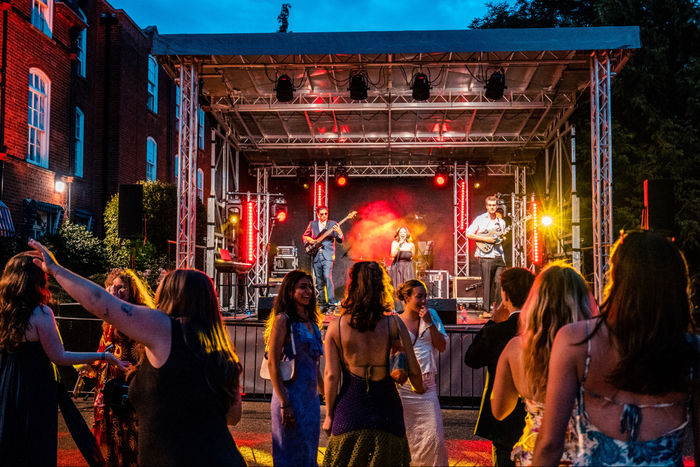
Whether it’s baking, supporting Cuppers, stopping to watch the sunset, or finally visiting the botanic gardens – which were stunning – operating at a slower pace has been illuminating. Our friendships are one of the cornerstones of our university experience, people to commiserate with over that terrible supo or the mountain of deadlines. Having the chance to slow down and nurture these friendships is when I’ve gotten to know my friends the most. Chats over coffee or lunch which can stretch on without a lecture to immediately run off to are a privilege. Cambridge is truly busy, bold, and beautiful, and our degrees are fleeting. I have enjoyed the reminder to stop and appreciate that. Time is absolutely the essential luxury to operate at a slower pace which is not scheduled into the timetable, but making room for it just might allow you to think a little clearer.
 Sport / The imperfect privilege of Cambridge sport12 June 2026
 News / News in Brief: prizes, planning proposals, and pottery14 June 2026
 Lifestyle / Blind Date: ‘It was like the romantic version of a Saw trap’14 June 2026
 Comment / Top of the slops: the competitiveness of college dining4 June 2026
 News / C4P vandalises University offices over divestment10 June 2026
 Lifestyle / Breaking no contact…hours15 June 2026
 Comment / My favourite dance floor is the one with my friends on it15 June 2026
 Fashion / Will you wear wigs?14 June 2026
- Lifestyle / Blind Date: ‘It was like the romantic version of a Saw trap’14 June 2026
 Theatre / Hope is a thing with wings (and a stage, and an audience)14 June 2026