Will you wear wigs?
From Pharaoh Hatshepsut to C-Sunday, Angel Totterdell-Woods discusses the politics of wigs
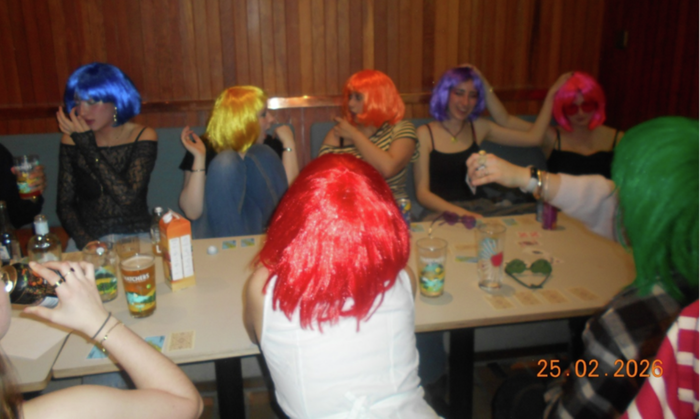
As any religious Revs goers – or students able to recall C-Sunday – would likely attest, the coloured bob has become a staple of Cambridge nightlife. Almost straight from a Roy Lichtenstein painting, it wouldn’t be a fruitful club outing without seeing at least one buzzed student brandishing a luminescent wig. Since the iconic dance scene from People We Meet on Vacation aired in January, featuring Poppy Wright’s sky-blue long bob, the vibrant party wig went viral – regaining popularity and taking over social scenes. There’s no denying that the vivid bob looks great. But what do these flashy wigs represent, and why are students obsessed?
"Historically, wigs have been a symbol of status, aristocracy, and glamour"
Historically, wigs have been a symbol of status, aristocracy, and glamour. Think Queen Charlotte from Bridgerton and her elaborate (even motorised!) wigs. Voluminous, bright, and often curled into extravagant designs to showcase her elegance and power, Charlotte’s choice of wig not only reflects her mood, but also symbolises her status in Regency society. In ancient Egypt and Greece, wigs were likewise donned by rulers to denote wealth and importance. Take Pharaoh Hatshepsut, for example. Although it was customary for males of the royal household in Egypt to wear beard wigs, Hatshepsut, a female ruler, likewise sported the curved beard wig at ceremonies to embody the image of the gods. Although revs isn’t quite an Eighteenth Dynasty ceremony, it’s still worth considering the significance of wigs in contemporary party culture.
"During the 1960’s-70’s, party wigs became synonymous with counterculture and the rise of disco"
During the 1960’s-70’s, party wigs became synonymous with counterculture and the rise of disco. Bold and vibrant wigs were a popular accessory of self-expression – and the wackier the wig, the better. Carefully styled to emulate favourite musicians and celebrities, party wigs became synonymous with neon colours, mohawk-esque spikes, and voluminous perms. The contemporary wig revolution similarly empowers the wearer, who gains a renewed sense of control over their appearance. More than a tacky Halloween disguise, wigs abrase against the mainstream ‘clean girl’ and ‘beige mom’ aesthetics, aesthetics often tied to capitalism and right-wing values. Consciously or unconsciously, counterculture is returning to our wardrobe, and party wigs are one of many culprits.
Though I somewhat doubt politics was in mind when C-Sunday partywear was selected, the next time you stumble across a tipsy student in a slightly frizzy polyester bob, I urge you to consider the wider implications of their partywear and the political undertones which may be at play. While the resurgence of countercultural fashion runs the risk of being a performative and not fully ideological commitment (especially when you consider the mass production of the wigs at hand and their synthetic fibre), the return of nightlife sparkle, in any form, is surely a move in the right direction. Though very sweaty after hours on the dancefloor, when considering outlandish group accessories for post-exams Mash, Revs, or KiKi’s, the vibrant bob is a great way to match your friends and get some hilarious (and mildly incriminating) photos.
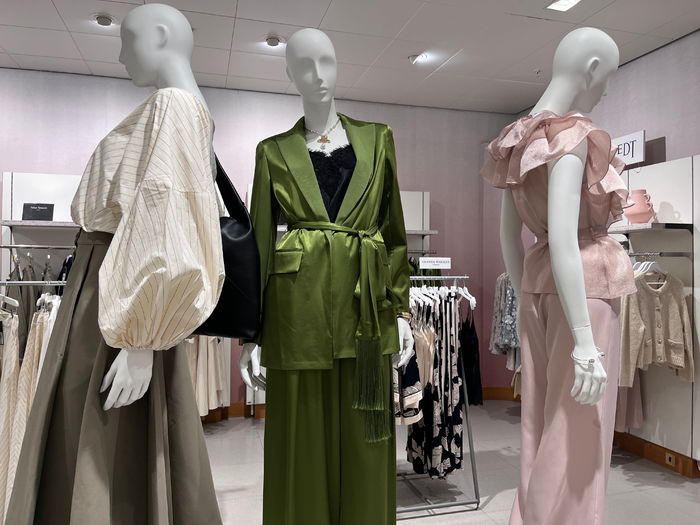
Beyond the clubbing sphere, we’ve seen wigs blend into mainstream attire since Sabrina Carpenter’s 2024 Short n’ Sweet tour. Arousing mass internet superstition about her too-perfect “avant-pinup girl styling,” the authenticity of Carpenter’s bangs and ringlets led to the infamous ‘wig gate’. Sometime during the absurd hunt for her extension tracks, however, ‘wig gate’ raised the important question: does it really matter? Surely wigs are just an extension of her art. Likewise sported by celebrities such as Beyoncé, Rihanna, and Lady Gaga through the years, the statement accessory has helped redefine beauty stereotypes. Whether concealing hair loss, experimenting with a “bold new look” or simply offering a change in style, “wigs offer a safe space for self-expression and creativity.” Wig culture, especially lace front wigs, also provides a protective form of self-expression for hair types and hair textures particularly susceptible to breakage. Synthetic, human hair, or even blended wigs are a practical and empowering craze. As mundane library days begin to come to an end and May week affairs loom over the horizon, the question remains. In the words of Dominic Monaghan, “Will you wear wigs?”
 Sport / The imperfect privilege of Cambridge sport12 June 2026
 News / News in Brief: prizes, planning proposals, and pottery14 June 2026
 Lifestyle / Blind Date: ‘It was like the romantic version of a Saw trap’14 June 2026
 Comment / Top of the slops: the competitiveness of college dining4 June 2026
 Lifestyle / Confessions of a May Ball crasher12 June 2026
 Lifestyle / Breaking no contact…hours15 June 2026
 Comment / My favourite dance floor is the one with my friends on it15 June 2026
 Fashion / Will you wear wigs?14 June 2026
- Lifestyle / Blind Date: ‘It was like the romantic version of a Saw trap’14 June 2026
 Theatre / Hope is a thing with wings (and a stage, and an audience)14 June 2026