The Drama needs a bit more drama
Hilary Lau analyses the film currently stirring the cultural pot
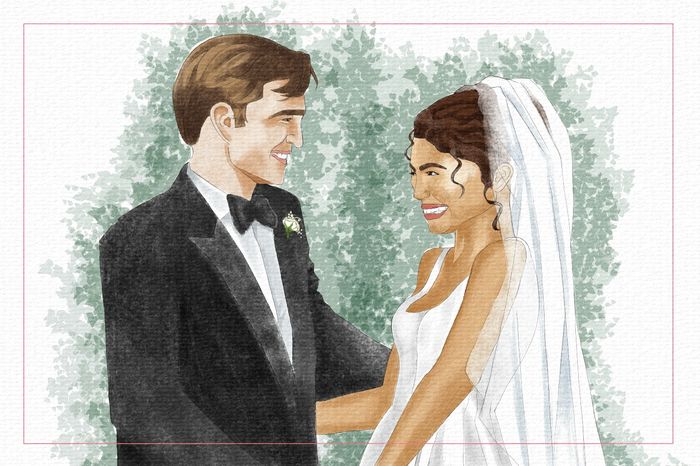
Since early February, the trailer of the newest A24 movie The Drama (2026) has generated considerable buzz for keeping its plot twist firmly under wraps. The exceptional press tour that followed continued to excite, teasing only the exhibitionist promise of uncovering a to-be-wed couple’s deepest, darkest secret and the thrill of the disastrous consequences that follow. But suspense is a double-edged sword that has, unfortunately, come to stab the movie in the back: it fails to live up to its hype.
The Drama begins like a typical romance; Charlie (Robert Pattinson) meets Emma (Zendaya) at a cafe and becomes enraptured; fast forward two years, and he’s recollecting this story as he perfects his wedding speech. Yet when Emma gets drunk and lets slip the “worst thing she’s ever done,” the secret threatens to destroy the marriage before it’s even begun. From there, the film erupts into a kaleidoscope of unnerving chaos, conflict, and – as the title promises – drama, putting spousal vows of undying love and unwavering commitment to the test.
The central appeal of the film lies in the nuance between hypothetical and literal action; is doing a bad thing better than planning to do a worse thing? The impact of the plot twist thus relies on the sensitive nature of the topic, which is particularly poignant within the context of contemporary America; placed anywhere else in the world, with far less accessible means and motive, it would be difficult to empathise with Emma’s character at all. In order for it to work, the movie must lean on its provocative edge, driving home the ‘dark’ component of this dark comedy to elucidate its critique on the performativity of modern-day society, the callous hair-trigger desire to virtue signal, and the superficial glorification of violence and activism.
“Borgli cannot have his cake and eat it too”
But director Kristoffer Borgli seems both devoted to delving deep into the cultural phenomena that his narrative decries, but also entirely unconfident in his audience’s ability to discern satire from solemnity. He cannot have his cake and eat it too. What results is an insipid, lukewarm version of what could have been, the movie falling flat quickly after the first act.
This fear of commitment goes hand in hand with the movie’s pacing issue. We spend a disproportionate amount of time watching the couple trying to waltz around the elephant in the room, trying desperately to keep up the facade of normalcy but having that mask crack over and over again. The assumption would be that this oscillation between denial and acceptance, wishful delusion and getting bashed over the head by a reality check, is integral to keeping suspense alive after the initial shock of the secret loses steam. But without meaningful character exploration nor development, this halfhearted attempt at keeping audiences at the edge of their seats quickly gets old. Emma’s explanation of her past is merely surface level, told through flashbacks about as affective as state-produced anti-bullying advertisements; we don’t even really hear it verbally from her, as every time her past is brought up we are subject to another round of retching and spraying vomit. The movie fails to sharpen its audiences’ perception of moral grayness, as this mutedness allows other characters to speak on Emma’s behalf, instead of allowing the ambiguity between her own words to either betray or vindicate her.
“After all, a drama is only a drama if it’s poignant and multi-dimensional”
On the other hand, we don’t get Charlie’s internal thoughts either as he grapples with the weight of the issue, nor does he try to explore what it is that makes him so afraid of Emma; the dilemmas of the film are spelled out in the dialogue of characters like Rachel and Misha, who act as mouthpieces for varying perspectives in society. The generality of it all means that the film fails to develop its most intriguing element – the knottiness of extricating virtue from vice when the person on trial is your lover. As Charlie and Emma become de-individualised, blending into the background of a wider social debate without offering anything to it, they both lose the intimate edge that their characters uniquely provide.
Despite all this, it would be impossible to review The Drama without complimenting the stunning performances of its cast. Pattinson’s Charlie is endearing but teeters on the verge of pathetic, falling face-first into it once he begins to hyperfixate and spiral into stupidity. Zendaya plays Emma with both suave charisma and vulnerability, frustration and fear palpable as she agonises over the consequences of her drunken honesty. Alana Haim is passionate, vicious, and spiteful as the couple’s mutual friend Rachel, and carries most of the tension of the movie on her back. With such a capable cast, the missed opportunity to explore character interiority and draw out complexity gapes jarringly. After all, a drama is only a drama if it’s poignant and multi-dimensional, making space for radically divergent perspectives and inflammatory statements that challenge audience understanding. The Drama is glued to its safe zone and lethargic in its messaging, making its watch enjoyable but unmet potential regrettable.
 Comment / Top of the slops: the competitiveness of college dining4 June 2026
 Interviews / What’s the story behind Pages coffee house?8 June 2026
 News / News in Brief: Cambridge crowns, council confirmations, and competitive cricket8 June 2026
 Comment / The Cambridge drift1 June 2026
 News / Cambridge researchers produce ‘world-first’ AI vaccine6 June 2026
 Arts / Don’t rush me – I’m reading!9 June 2026
 Lifestyle / Don’t Cry at Me, Argentina – a next-year abroad story8 June 2026
- News / News in Brief: Cambridge crowns, council confirmations, and competitive cricket8 June 2026
 Science / Failure is the foundation of science8 June 2026
 Fashion / The hidden gems of formal fashion8 June 2026