
Commercial Feature
When the Picture Has Words You Can’t Read
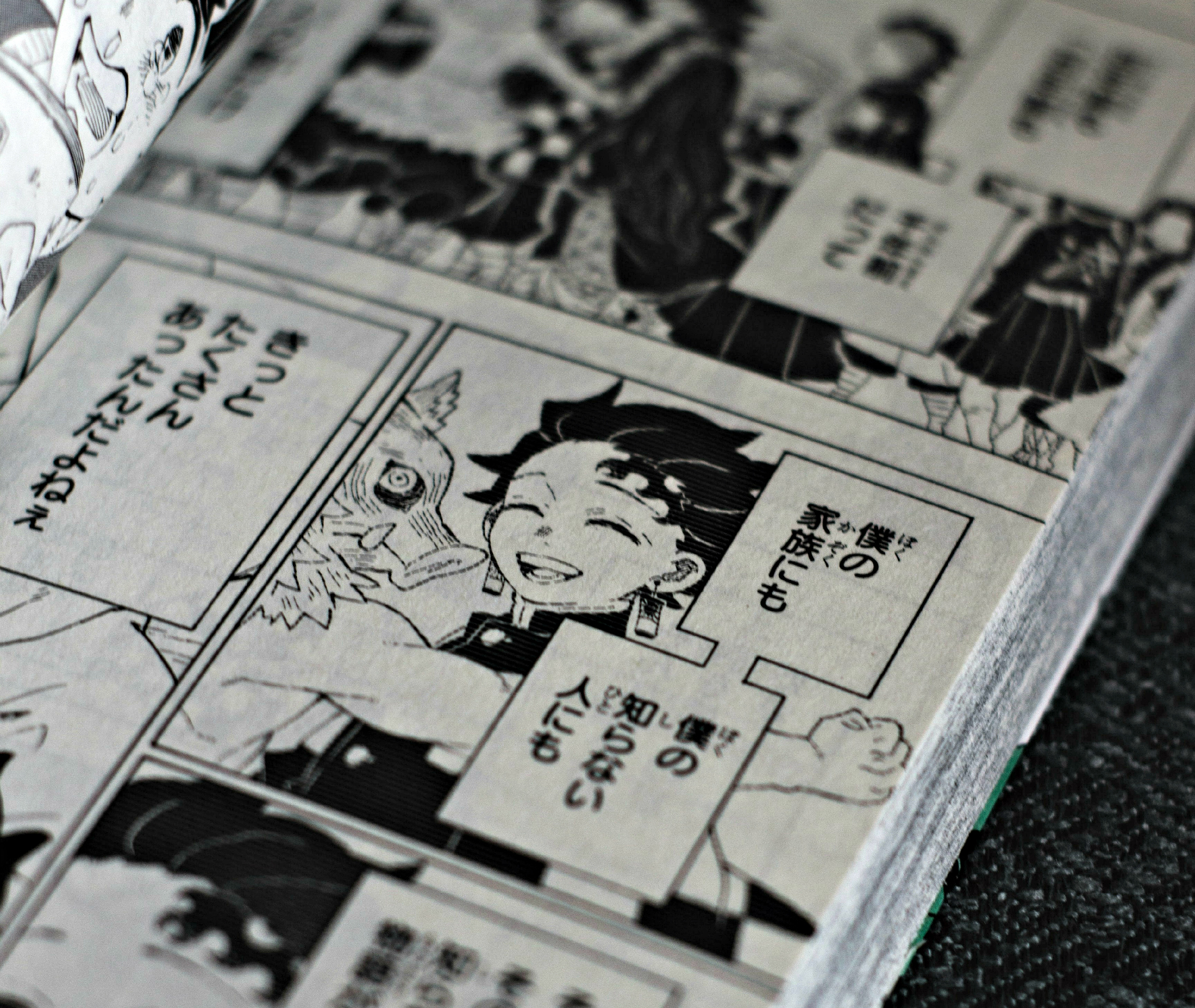
You know that moment. You’re scrolling through something a friend’s Instagram story, a manga forum, a random folder of old family photos and you stop. There’s an image with text in another language. A screenshot of a tweet. A page from a comic. A photo of a handwritten letter. The information you want is right there, visible, but completely locked away.
And you think: if only I could read what that says.
The Stuff That Shows Up as Pictures
Think about the last week. How many images with text crossed your screen?
Maybe it was a screenshot of a post in another language that everyone was talking about. Maybe it was a page from a manhwa or manga you’re desperate to read, but the official translation is weeks behind. Maybe it was a photo of a menu from that tiny restaurant someone recommended. Maybe it was a scan of an old family document your grandparent sent.
All of it, trapped in pictures. All of it, just out of reach.
The Old Way Was a Pain
Before tools like this existed, your options were all bad. You could stare at it and hope. You could type out the text you could see, character by character, into a Manga translator. You could send it to a friend who speaks the language and hope they weren’t busy. You could just give up and move on.
None of these feel good when you actually want to know what something says.
What a Good Tool Actually Does
A proper picture translator does something that feels a bit like magic, even though it’s just clever technology.
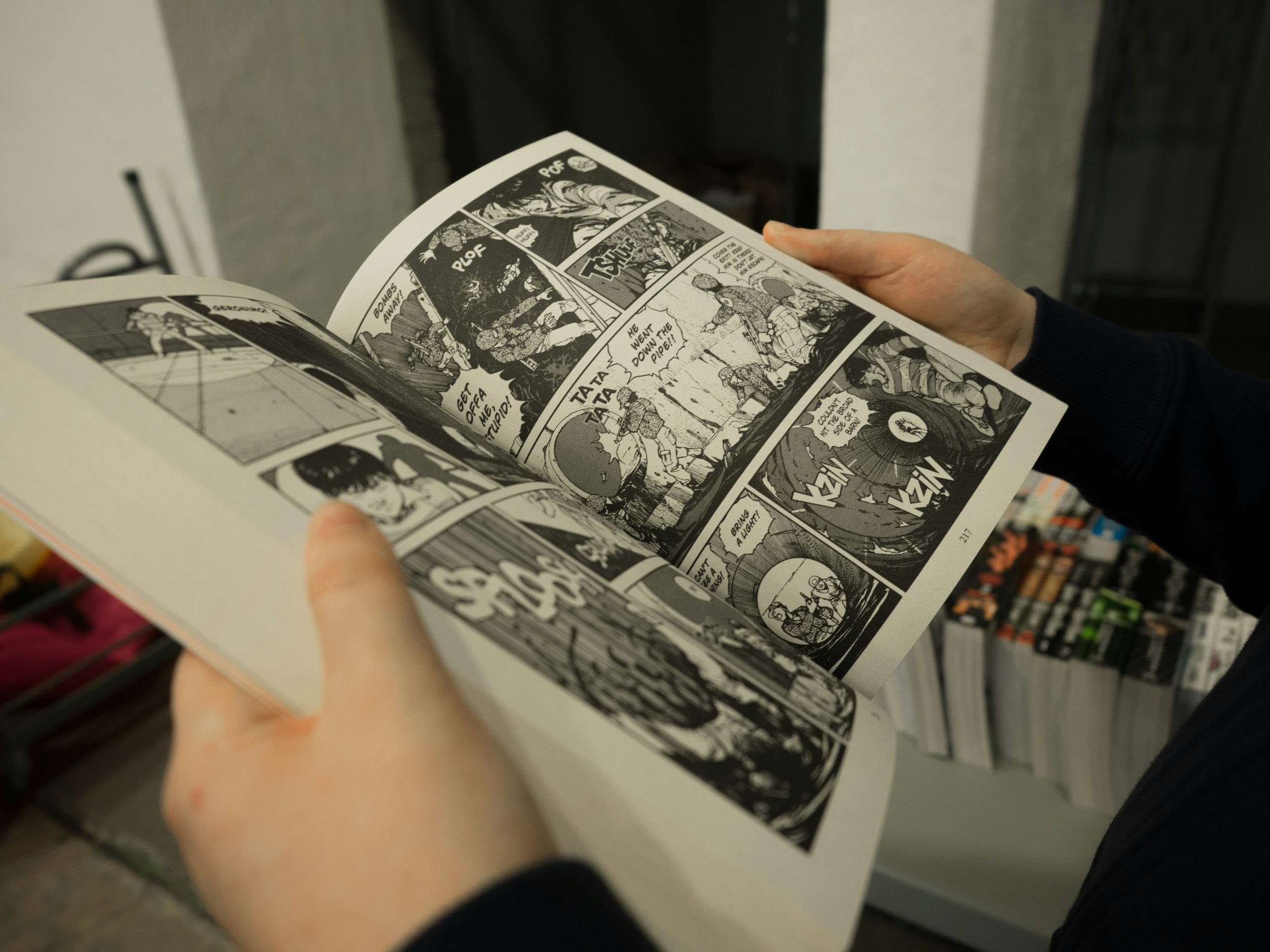
It looks at your image. It finds all the text in speech bubbles, on signs, in handwriting, wherever. It reads it accurately (that’s the OCR part). It translates it into your language. And then this is the important bit it puts the translated text back into the image exactly where the original was.
The speech bubble still has text in it, just now it’s in English. The product label still has its size chart, just now you can read it. The menu still looks like a menu, not a wall of garbled text.
The layout stays exactly the same. The image still looks like itself. It just speaks your language now.
The Specific Moments It Saves You
Let’s be real about when this actually matters in student life.
The manga or manhwa that’s too good to wait for. You’re deep into a series. The Korean or Japanese chapters drop weeks before the English translation. You could wait, or you could upload each page and be caught up by dinner. The speech bubbles stay speech bubbles. The art stays art. You just finally get to read it.
The research image that changes everything. You’re writing a dissertation and find a perfect primary source image a poster, a pamphlet, a newspaper clipping. But the text is in a language you don’t read. A quick upload and you have the translation, the context, the quote you need for your chapter.
The term abroad confusion. You’re in a foreign city. You take a photo of a bus schedule, a museum placard, a handwritten receipt. Later, sitting in a café, you translate them all. Suddenly you know when the last bus leaves and what you actually bought at that market.
The family history. Someone sends a photo of an old letter. It’s faded, handwritten, in a language you never learned. Being able to translate that image isn’t a convenience. It’s a connection to people and stories you might otherwise lose.
The Quiet Relief of No Sign-Up
Here’s something that matters more than you’d expect: a tool that doesn’t ask for anything.
No sign-up. No email. No credit card. No spam later. No tracking. No data harvesting.
You upload an image. It translates. You download it. An hour later, your file is permanently deleted from their servers. That’s it. Nobody has your information, your personal photos, your half-read manga chapters, anything.
For students especially, this matters. You’ve got enough accounts. Enough spam. Enough people asking for your data. A tool that just works and then disappears? That’s rare. That’s worth knowing about.
For When It Actually Counts
Most days, you won’t think about image translation. You’ll scroll, read, live your life in your own language.
But then a day comes when the thing you want most is trapped in a picture. A chapter of the story you love. A primary source for your essay. A message from family. A sign in a foreign place.
In that moment, waiting isn’t an option. Manual typing isn’t practical. Forwarding to someone else just adds delay.
What you need is something that looks at that image, reads every word, and hands you back something usable. Right now. In your language. Looking exactly the way it should.
And then you can get back to what actually matters the story, the research, the connection. Because the translation was never the point. It was just the thing standing between you and the words you needed.
 News / Classics professor gave female student unconsensual ‘slobbery kiss’10 April 2026
 News / Rowers fined nearly £4.5k for Lent Bumps misconduct9 April 2026
 Arts / The Cambridge cult-ure14 April 2026
 News / C4P protesters rally against Israel’s ‘execution law’13 April 2026
 News / News in Brief: planetariums, plaques, and plastic pollution12 April 2026
 Music / On CamFM and confidence boosts14 April 2026
 News / Former Cambridge vice-chancellor named preferred candidate for chair of UKRI14 April 2026
 Lifestyle / Advice on not losing your mind14 April 2026
 Comment / Oh, when it ‘All Falls Down’14 April 2026
- Arts / The Cambridge cult-ure14 April 2026
