
Commercial Feature
Sustainable buildings are becoming more important in long-term capital allocation
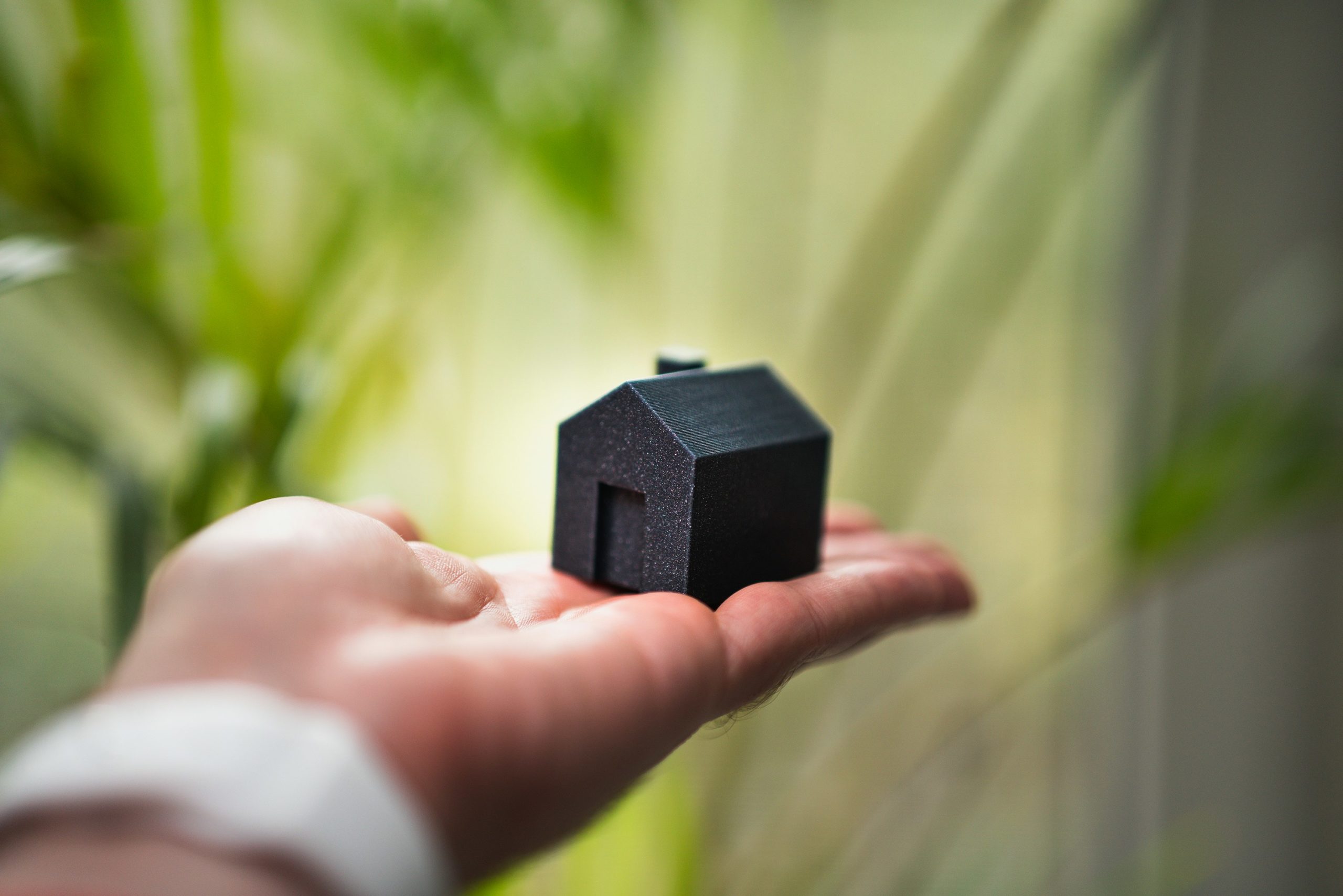
In today’s investment environment, the conversation around real estate is changing. For decades, property investments were often evaluated based on location, rental yield, and market cycles. While these factors still matter, investors are increasingly looking deeper into how buildings perform over time. Energy efficiency, operational costs, occupant comfort, and sustainability have become central elements of modern investment strategies.
This shift is particularly visible among long-term investors such as family offices. Unlike traditional investment funds that often operate under fixed timelines, a family office typically manages wealth across generations. Because of this longer horizon, investment decisions are often guided by stability, resilience, impact, and long-term value creation rather than quick returns. As a result, family offices are increasingly involved in projects that focus on sustainable infrastructure and modern building technologies.
The investment philosophy of a family office
Family office services are generally provided to single wealthy family or a small group of related families to manage their financial affairs and investments. These organizations often invest across a wide range of sectors, including private equity, public markets, venture capital, and real estate.
However, their approach to investing often differs from institutional investors. Instead of operating within strict fund lifecycles or quarterly performance expectations, a family office can take a longer and more patient view. Investments are often chosen not only for financial potential but also for their ability to preserve wealth over decades.
Real estate naturally fits into this strategy. Property assets tend to provide stable income streams, inflation protection, and long-term appreciation potential. When combined with careful development planning and efficient building systems, real estate can be a cornerstone of long-term wealth preservation.
Because of this, many family office investors are actively exploring opportunities in sustainable real estate development.
The growing importance of building performance
Modern property investors increasingly recognize that a building’s long-term value depends not only on its location but also on how efficiently it operates. Buildings with high maintenance costs, poor energy efficiency, or unhealthy indoor environments are becoming less attractive over time. Operational performance affects everything from tenant satisfaction to long-term maintenance expenses. Properties that require frequent repairs or consume excessive energy can quickly erode profitability.
For long-term investors such as a family office, these risks are particularly important. A building that performs poorly may generate short-term income but create long-term liabilities. On the other hand, buildings designed with efficient infrastructure and sustainable systems tend to remain competitive for longer periods. As a result, modern investors often pay close attention to construction quality, energy systems, and building technologies.
Sustainable development as a long-term strategy
Across Europe and many other parts of the world, sustainability has become a defining theme in real estate development. Governments are introducing stricter building standards, tenants are demanding healthier environments, and energy costs remain a major operational concern. Developers are responding by incorporating better insulation, advanced heating and cooling systems, renewable energy sources, and improved ventilation technologies. These improvements are not only environmentally beneficial but also financially practical. Efficient buildings typically consume less energy, require fewer repairs, and maintain higher market value over time. For investors with a long-term horizon, these advantages can significantly improve the stability of a property portfolio.
A family office that invests in sustainable developments may therefore benefit from both financial returns and increased resilience against future regulatory or market changes.
Ventilation and building efficiency
Among the many systems that influence building performance, ventilation plays an important but sometimes overlooked role. Air quality and humidity control directly affect occupant comfort and building durability.
In older buildings, ventilation often relied on natural airflow through windows, vents, or small gaps in construction. Modern buildings, however, are designed to be far more airtight in order to improve energy efficiency. While this reduces heat loss, it also means that indoor air must be managed more carefully. One technology increasingly used in modern buildings is energy recovery ventilation. These systems continuously exchange indoor air with fresh outdoor air while recovering energy from the outgoing airflow. Instead of losing heat during ventilation, the system transfers warmth from outgoing air to incoming air. The result is improved air circulation without sacrificing energy efficiency. For building owners and investors, this helps maintain comfortable indoor environments while reducing heating and cooling costs.
The link between building quality and tenant demand
For a family office managing long-term property investments, tenant stability and consistent demand are extremely important. Properties that remain attractive to tenants over many years are more likely to deliver reliable income streams.
The real estate market is evolving in response to changing tenant expectations. Companies and residents are becoming more aware of how indoor environments affect one’s wellbeing and productivity. Office tenants increasingly look for buildings that provide comfortable temperatures, good air quality, and efficient infrastructure. Residential buyers and renters are also paying more attention to energy costs and overall living conditions. Buildings that incorporate modern systems and efficient technologies are often better positioned to meet these expectations. This can translate into higher occupancy rates, longer tenant retention, and stronger property values.
Risk management through better infrastructure
Another reason long-term investors pay attention to building systems is risk management. Infrastructure failures, high energy consumption, or poor indoor conditions can lead to unexpected costs and reputational damage. Investing in high-quality building systems from the beginning can reduce these risks significantly. Durable construction materials, efficient mechanical systems, and well-planned infrastructure often lead to lower maintenance costs over time.
From an investment perspective, this approach aligns well with the philosophy of a family office. Because these organizations typically aim to preserve capital across generations, they tend to prioritize reliability and durability. Buildings that perform well over decades become valuable long-term assets that support portfolio stability.
The evolving of investment and building technology
Looking ahead, the relationship between investment strategy and building technology is likely to become even stronger. As energy prices fluctuate and environmental regulations evolve, efficient buildings will become increasingly important.
Investors will continue to evaluate not only financial metrics but also the underlying performance of the assets they acquire. Construction quality, energy systems, and operational efficiency will all play a larger role in determining long-term property value.
For a family office with a multigenerational outlook, these considerations are especially relevant. Investments that combine sustainability, efficiency, and strong market demand can provide stability for decades.
Building assets that last for generations
Ultimately, successful long-term investment in real estate depends on more than market timing or short-term profitability. It requires careful attention to how buildings function, how they age, and how they meet the needs of future occupants.
Family offices, with their long investment horizons, are uniquely positioned to support developments that prioritize durability and sustainability. By investing in well-designed buildings that incorporate modern technologies and efficient systems, these investors can create assets that remain valuable for many years.
As cities continue to grow and sustainability becomes a central theme in construction and development, the combination of long-term capital and efficient building technology will likely play an increasingly important role in shaping the future of real estate.
 Comment / The Cambridge drift1 June 2026
 News / Cambridge psychologist warns against blanket social media ban for under-16s1 June 2026
 News / News in Brief: Corpus climbing, climate cash, and commendable contributions1 June 2026
 Theatre / CUMT’s The Wind in the Willows brings a classic to life 31 May 2026
 News / Venue cancels Cambridge talk by right-wing commentator Matt Goodwin after backlash28 May 2026
 Theatre / Bold beginnings in the Corpus Playroom 3 June 2026
 Music / We need to talk about Kendrick2 June 2026
 News / University support staff strikes end after month of action2 June 2026
 Arts / To the letter2 June 2026
- News / Cambridge psychologist warns against blanket social media ban for under-16s1 June 2026
