
Commercial Feature
From societies to socials: why personalised sportswear is essential for student groups
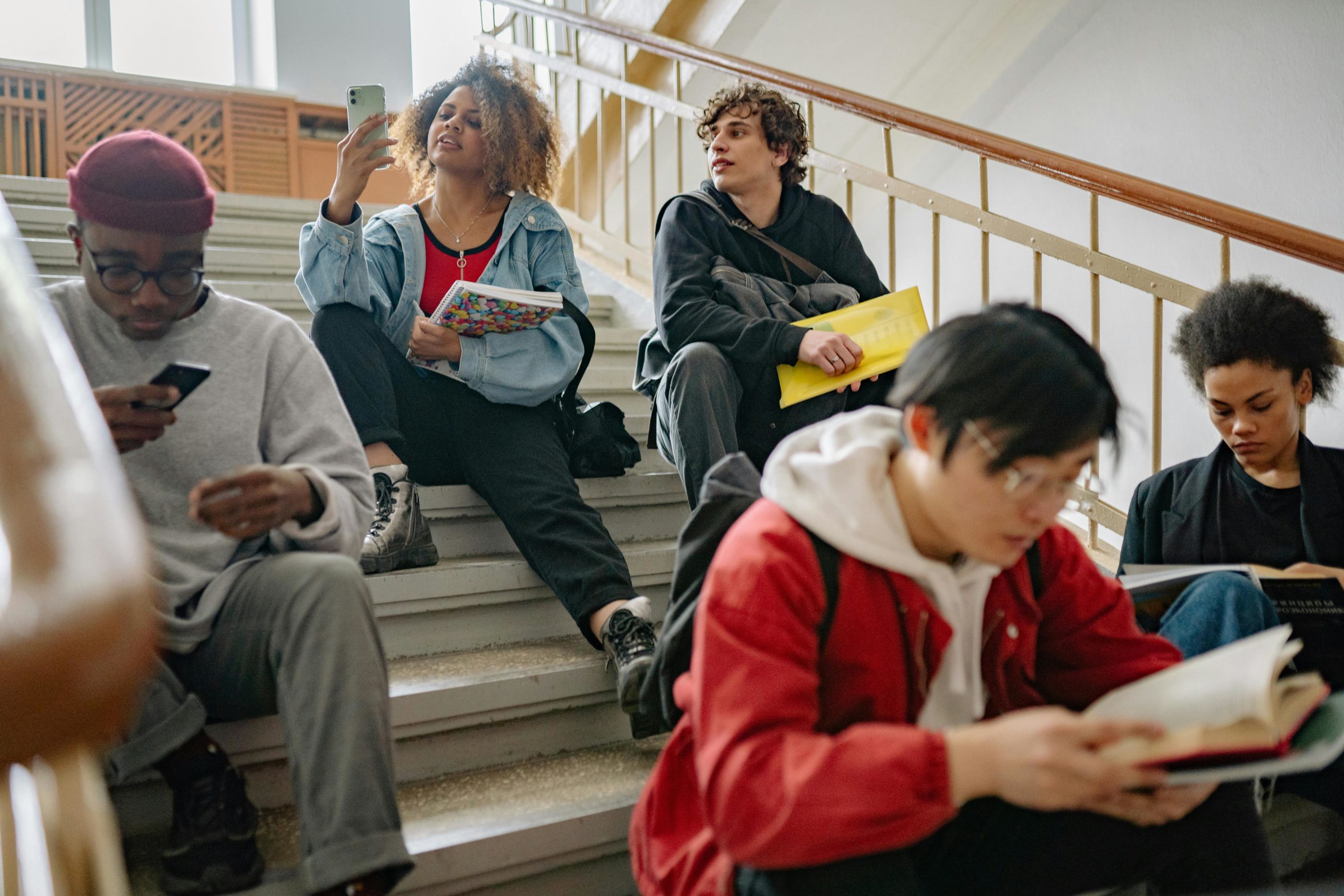
University life is built around more than lectures and deadlines. For many students, it’s the societies, clubs, and informal groups that define their experience — the people they train with, rehearse with, volunteer alongside, or head out with on a Wednesday night.
As student groups continue to grow in number and diversity, how they create a sense of belonging has become increasingly important. One of the simplest but most effective tools in building that identity is personalised sportswear — not as a status symbol, but as a shared marker of community.
The role of identity in student societies
Student societies thrive on identity. Whether it’s a sports team, performing arts group, cultural society, or charity committee, belonging is what keeps people showing up week after week.
Matching sportswear helps solidify that sense of “us”. It creates a visual connection between members, even when they don’t all know each other yet. For new students especially, that visual cue can make the difference between feeling like an outsider and feeling part of something established.
In busy university environments, where hundreds of societies may be competing for attention, shared clothing also helps groups stand out — not to exclude others, but to be visible and recognisable.
Freshers’ Week and first impressions
Freshers’ Week is often the first real introduction students have to university life outside the classroom. It’s fast-paced, overwhelming, and packed with opportunities to join new groups.
For societies recruiting new members, clarity matters. Coordinated sportswear helps committee members look approachable and organised during fairs, taster sessions, and social events. It signals structure and confidence, even for societies that are entirely student-run.
For freshers, seeing a group that looks cohesive can be reassuring. It suggests a welcoming environment where people know each other and work together — something many students are actively seeking in their first weeks at university.
Building team bonding beyond sport
While sports teams are the most obvious users of coordinated kit, personalised sportswear is just as relevant for non-sporting groups.
Dance societies, cheerleading teams, drama groups, music ensembles, and even academic or professional societies often rely on regular rehearsals and events to build connection. Wearing the same sportswear during training or practice sessions reinforces that shared commitment.
It also removes pressure around what to wear. When everyone arrives in the same kit, attention shifts away from appearance and towards participation — a small but meaningful benefit in social settings that can otherwise feel intimidating.
Supporting inclusion and accessibility
University societies bring together people from different backgrounds, body types, and personal styles. Clothing that is comfortable, flexible, and adaptable helps ensure everyone feels included.
Sportswear, by nature, prioritises movement and ease rather than rigid fit. This makes it more accessible across a wide range of members, particularly in groups where physical activity is involved.
Inclusive clothing choices support inclusive communities — something that many student groups actively strive for.
From training sessions to socials
One of the reasons sportswear works so well in student settings is its versatility. The same hoodie or top worn at training might also appear at post-session socials, charity events, or casual meet-ups.
This crossover reinforces group identity across different contexts. It allows societies to carry their presence from the pitch or studio into social spaces, strengthening bonds beyond the activity itself.
In student life, where friendships often form around shared routines, these repeated visual cues help turn participation into belonging.
Creating memories through shared moments
University years are often remembered through moments — not just milestones. Group photos after matches, rehearsals, or events become part of how students look back on their time at university.
Coordinated sportswear adds continuity to those memories. Years later, seeing the same colours or designs can instantly recall a specific team, society, or phase of student life.
For graduating students, these items often become nostalgic keepsakes — reminders of friendships, challenges, and shared experiences that defined their time at university.
Supporting student leadership and organisation
Most university societies are run entirely by students. Committee members juggle budgets, recruitment, events, and welfare responsibilities alongside their academic work.
Having a clear, consistent group identity helps simplify organisation. It makes it easier to manage events, represent the society externally, and create continuity as committees change year to year.
When leadership transitions happen — as they inevitably do — shared sportswear can help maintain a sense of tradition and continuity within the group.
Reflecting modern student culture
Student culture has shifted towards a more relaxed, informal expression of identity. Traditional uniforms or overly formal attire often feel out of place in modern university settings.
Sportswear aligns naturally with this shift. It reflects comfort, inclusivity, and authenticity — values that resonate strongly with today’s students.
Rather than imposing formality, personalised sportswear allows groups to express who they are in a way that feels natural and contemporary.
More than just what you wear
At its best, personalised sportswear isn’t about appearances. It’s about connection.
It helps students find their people, feel confident showing up, and carry a sense of belonging through the highs and lows of university life. In environments where students are constantly meeting new people and navigating change, those small anchors matter.
From Freshers’ Week to final-year socials, shared clothing becomes part of the story — a quiet but powerful reminder that university isn’t just about individual achievement, but about the communities formed along the way.
 News / Construction begins on controversial Queens’ accommodation6 April 2026
 Comment / I’m keeping the em dash7 April 2026
 News / Cambridge MP joins academics in funding cuts criticism8 April 2026
 Lifestyle / Blind Date: ‘I lived to tell the tale!’5 April 2026
 Sport / Cambridge Men prevail on the Thames for fourth year running while Oxford Women take back crown6 April 2026
 Film & TV / Why we keep failing to adapt classic literature 8 April 2026
 Theatre / It doesn’t really matter (and that’s the point)8 April 2026
- News / Cambridge MP joins academics in funding cuts criticism8 April 2026
 Music / A spring in your step and songs for the new season7 April 2026
- Comment / I’m keeping the em dash7 April 2026
