Student campaign launched to highlight shortcomings of sexual misconduct reporting
The campaign will collect testimonies from students with experience of various reporting processes in Cambridge
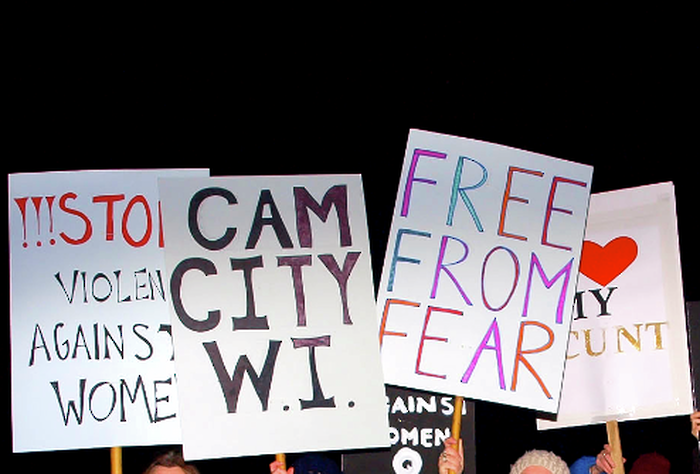
The groups More Than Misconduct (MTM) and End Sexual Violence Cambridge (ENDSV) have launched a joint campaign on sexual misconduct reporting procedures in Cambridge.
‘When Students Report: Cambridge’ invites testimony from students who have previously reported incidents of sexual misconduct to the Office of Student Conduct, Complaints and Appeals (OSCCA), individual college disciplinary bodies, and other organisations including societies and sports teams.
The founders are seeking to collate individuals’ experiences in order to identify discrepancies between the various reporting bodies as well as areas that can be improved.
The campaign was launched on Wednesday (18/02), with the two groups writing in an Instagram post: “we invite you to submit first-hand, de-identified testimonies that focus on your experiences of reporting sexual misconduct.
“You’ll help us to raise awareness, contribute to research, and support thoughtful advocacy for improvements in policy and practice.”
The leaders of the campaign, Carys Bonell of ENDSV and Elisha Carter of MTM, told Varsity that their aim is “to see how students actually feel interacting with these reporting procedures […] to find if there were repeated areas that students struggled with”.
The campaign was inspired by Everyone’s Invited, which was founded in 2020 with the aim of raising awareness about the issue of rape culture within the UK – individuals could submit anonymous testimony about their experience of sexual assault. Bonell said ENDSV and MTM were inspired to base the campaign on testimonies, to gather information about people’s “experiences with reporting procedures in Cambridge.”
Bonell was keen to emphasise that anonymity is integral to the reporting process, telling Varsity that the focus of the form is the specific reporting procedure that a student has experienced: “We need to understand which colleges we’re looking at, or which reporting procedures we’re working with, but apart from that we try and keep it all as depersonalised as possible.”
Individuals will retain the right to withdraw their testimony at any time, if they feel it may interfere with an ongoing misconduct investigation, for example.
The ultimate aim of the campaign, they said, is twofold. They will use the details of individuals’ testimonies to inform their conversations with reporting bodies such as OSCCA and individual colleges. Alongside this, submissions will be used as a basis for social media posts, with anonymised testimonies being published in order to increase public understanding of the existing issues with Cambridge reporting procedures.
They said that their primary goal is “to see if there have been recurring issues that people have had with reporting, both the University and college policies.
“It would be really interesting to see if there’s a discrepancy between colleges, because within Cambridge University we just don’t have a unified policy on reporting sexual misconduct – that can lead to quite dramatically different experiences,” Bonell continued.
Carter emphasised the value of collecting qualitative data on the topic of misconduct reporting. “OSCCA has their things that they put out […] this many people have had hearings, this many people have had committees, which is great and really useful […] But really there’s little we can do with just that data because it’s on a case by case basis.
“So if people are willing to share things with us […] we can see what’s affecting them, what actually matters and what needs to change. Obviously we have our own ideas about this kind of thing, and we’re trying to get those through, but it needs to be relevant to people.”
The operation of reporting bodies such as OSCCA can create tension when students wish to speak out about their experiences of sexual misconduct. “OSCCA don’t like you to publicise the case, so we’re talking about concluded cases, because it’s not within our scope to be talking about ongoing cases,” Carter said.
“We’re very thorough, because obviously this is people’s testimonies about such a sensitive subject and such a complex subject. But we’re not taking this lightly – there’s a lot of things that we’ve considered and are taking into account,” she continued.
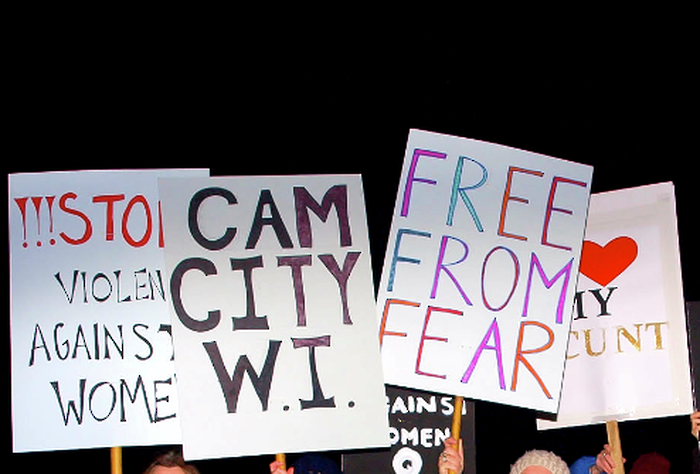
Varsity recently reported that 2025 saw an increase in the number of hearings for cases of sexual misconduct, as well as a tripling in the number of complaints made by students.
A spokesperson for the University told Varsity: “There is no place for sexual misconduct at the University of Cambridge. While disciplinary action may vary depending on the circumstances of a particular case, we always take allegations seriously, providing support for those affected and clear systems for reporting incidents. The Office of Student Conduct, Complaints and Appeals has also increased its investigative capacity, thanks to funding for an additional investigator.”
 Comment / Top of the slops: the competitiveness of college dining4 June 2026
 News / C4P vandalises University offices over divestment10 June 2026
 Comment / ‘On the Poverty of Student Life’: sixty years on10 June 2026
 News / News in Brief: Cambridge crowns, council confirmations, and competitive cricket8 June 2026
 Interviews / What’s the story behind Pages coffee house?8 June 2026
 Theatre / Varsity‘s favourite productions of 202612 June 2026
 Arts / Look, don’t touch12 June 2026
 Music / The paradox of the live album12 June 2026
 Film & TV / Motherland writer Helen Serafinowicz on comedy12 June 2026
 Lifestyle / In conversation with Cupid12 June 2026