Uni holds four hearings for sexual misconduct in 2025
This represents an increase from zero in 2024, but student campaigners say there is still work to be done
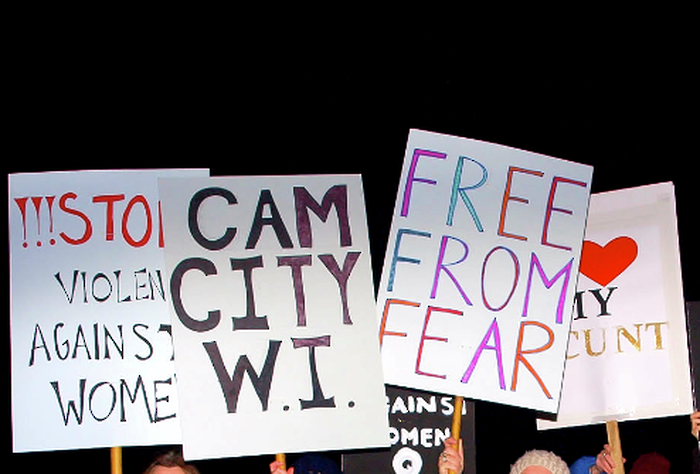
The University’s disciplinary body held four hearings for cases of sexual misconduct in 2025, during a period in which 21 students made complaints.
This represents an increase from 2024, when no disciplinary meetings were held despite eight complaints being made.
In order for a perpetrator of sexual misconduct to receive “serious sanctions” such as temporary or permanent exclusion, the University’s disciplinary body – the Office of Student Conduct, Complaints and Appeals (OSCCA) – must hold one of these hearings.
Without a hearing, a student discipline officer (SDO) can only hand out minor sanctions, such as requirements to attend a consent course or write a letter of apology to victims.
Freedom of information requests reveal that two minor sanctions were imposed last year. Three cases were also completed under the Informal Complaints Procedure for Student Misconduct, which allows a non-contact agreement to be agreed between two students.
OSCCA is the University’s central disciplinary body. In addition to sexual misconduct, the body deals with issues such as reviews of examination results, fitness to study procedures, and complaints.
The OSCCA does not use criminal terminology, providing reporting students with the option to report to the police, alongside information about University procedures. However, in 2023, Varsity reported that colleges had “actively discouraged” students from reporting sexual assault allegations to the authorities, instead referring them to OSCCA.
A University spokesperson responded to this claim, stating that: “Students who report any form of criminal misconduct to the University are made aware of their option to contact the police and support is available to them both via their College and the wider University.”
The student campaign group End Sexual Violence (ESV) said that the increase in the number of sexual misconduct reports “doesn’t represent an increase in the number of cases across the University but rather suggests that students might feel more comfortable this year to last in terms of reporting cases of sexual misconduct to OSCCA”.
The group also responded positively to the increase in disciplinary meetings, noting that those cases would have been discussed by a board, rather than a single SDO. ESV added: “This is an improvement from last year and shows that the University has potentially reflected and improved upon the criticisms it has previously faced.”
However, EVA also criticised the fact that there were close to “17 cases in the past year where the outcome was decided by a singular individual”. Some of the 21 cases from 2025 have yet to be concluded.
Another campaigning group, More Than Misconduct (MTM), agreed that the increase in sexual misconduct hearings was “promising,” but said there were still steps to be taken.
MTM’s recommendations include ensuring “more than one person” considers “the outcome of every viable investigation,” standardising “trauma-informed language in communication with the involved parties,” and making “no-contact orders between involved parties post-investigation standard”.
They also want the University to “introduce appropriate sanction options to reflect the severity of sexual misconduct,” to “provide all involved parties with the same considered evidence post-investigation,” and to “present all parties, not just the respondent, with the opportunity to appeal the investigation’s outcome”.
In September, the Office for Students (Ofs) published the results of a national survey of 50,000 final-year undergraduates carried out in January 2025. The survey showed that 25% of students experienced sexual harassment during their studies, while 14% experienced sexual assault.
Of those who faced harassment, over half said their experience involved someone connected to their university or college. Only 13% made a formal report to their institution, of which 47% said their experience was good, compared to 39% who said they had a poor experience.
The Ofs also said that women were three times more likely to experience sexual harassment than men, and that gay, lesbian, and bisexual students were more than twice as likely to experience sexual misconduct as heterosexual students.
This comes after the Ofs introduced a new policy in August demanding universities ensure “that investigations undertaken and decisions made in respect of incidents of harassment and/or sexual misconduct are credible, fair and otherwise reflect established principles of natural justice”.
The Ofs told Varsity that the new guidelines mean “all universities and colleges registered with the OfS must publish and maintain policies and procedures that set out the steps they will take to prevent and address harassment and sexual misconduct. This includes enabling students to report incidents, providing support for those affected, and letting students know how incidents will be handled.”
Universities are also now required “to deliver understandable and evidence-based training for staff and students”. Thus, in Michaelmas, Cambridge students received an email from Prof Bhaskar Vira, senior pro-vice chancellor, asking them to complete online sexual harassment training.
EVS argued that sexual misconduct reporting procedures could be improved by increasing communication between college and University bodies.
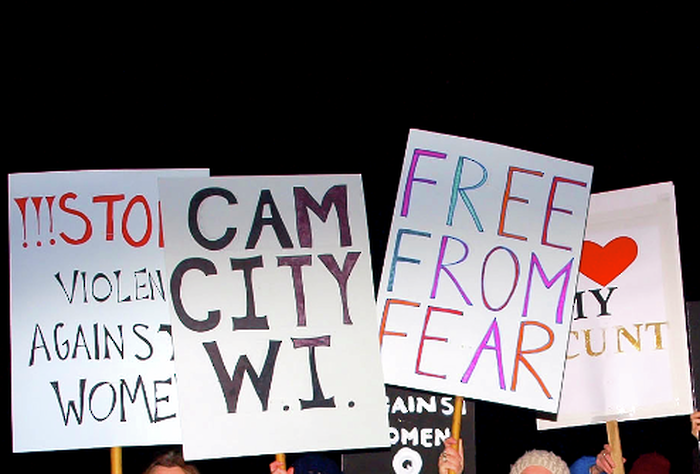
The society explained: “When students report, they can choose to either report via the University or via their college, but this can result in significantly different experiences as college policies can differ hugely from each other. We would push the University to work more closely with colleges in cases of sexual misconduct, and ensure there is a greater degree of uniformity to students’ reporting experiences.”
They also expressed concerns that the University has not committed to maintaining funding for the HVSS (Harassment and Violence Support) service, which offers confidential practical and emotional support to students who have experienced sexual harassment, domestic abuse, or religious/racial discrimination.
EVS told Varsity: “Cambridge needs to ensure the HVSS remains a permanent service and that it is sufficiently funded to continue providing support.”
A spokesperson for the University said: “There is no place for sexual misconduct at the University of Cambridge. While disciplinary action may vary depending on the circumstances of a particular case, we always take allegations seriously, providing support for those affected and clear systems for reporting incidents. The Office of Student Conduct, Complaints and Appeals has also increased its investigative capacity, thanks to funding for an additional investigator.”
 Comment / The Cambridge drift1 June 2026
 News / Cambridge psychologist warns against blanket social media ban for under-16s1 June 2026
 News / News in Brief: Corpus climbing, climate cash, and commendable contributions1 June 2026
 News / University support staff strikes end after month of action2 June 2026
 Music / We need to talk about Kendrick2 June 2026
 Theatre / Bold beginnings in the Corpus Playroom 3 June 2026
- Music / We need to talk about Kendrick2 June 2026
- News / University support staff strikes end after month of action2 June 2026
 Arts / To the letter2 June 2026
- News / Cambridge psychologist warns against blanket social media ban for under-16s1 June 2026