
Commercial Feature
8 Key Moments in History that Defined the Casino Industry
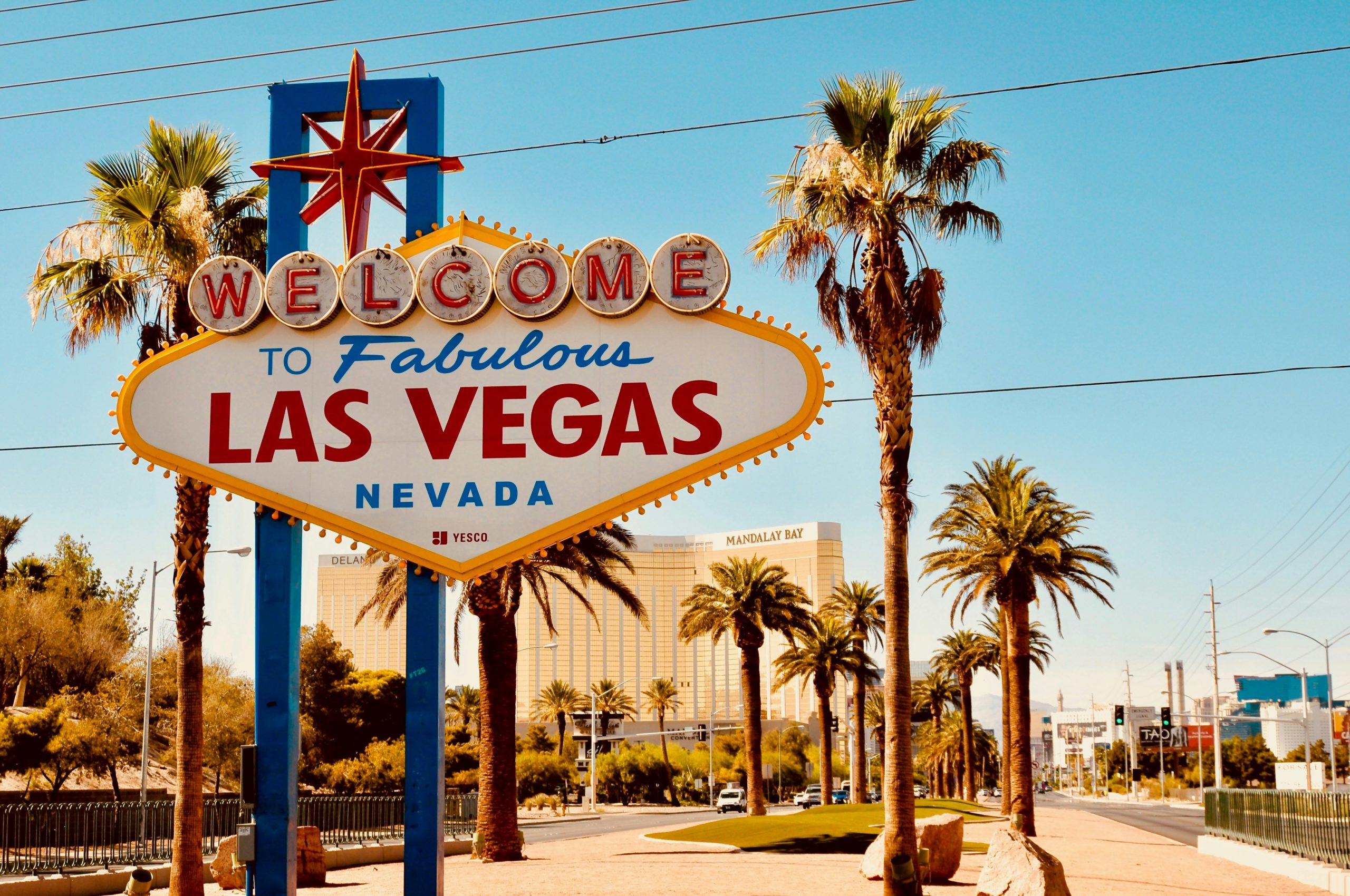
The casino and gambling industry has seen plenty of development over time, especially in the modern age, thanks to a variety of events and technological developments that have shaped the scene into what we have today. The history of what we see today in casinos can be traced over thousands of years, from the most refined, forever evolving into what we have now in the modern era. The evolution of the industry has been rapid, with services now offering the classic casino games online and even live casino games, allowing players to remotely interact with real dealers through formats such as a live dealer casino in the UK. With that being said, today, we will be taking a look at 8 key moments in history that defined the casino industry.
Early Gambling in China, 2000BC
Archaeological records suggest that forms of gambling were present in ancient China as early as 2300 BCE. Simple games of chance and early lottery systems were used for entertainment and, at times, public funding. These games highlight what was a relatively experimental period in China, experimenting with different games in social situations. Although they may be removed from modern casinos, the early gaming activities spread across the country and even internationally, credited to the Chinese influence.
The Roman Society, 500BC
Gambling spread to Rome and became a part of Roman culture, becoming an activity at public events and social gatherings. These included dice games and wagering on athletic contests, but were quickly refined due to legal restrictions. The Roman government attempted to regulate gambling, the first to do so, offering some tolerance to a social event that spread rapidly throughout communities. Roman culture spread across Europe, which passed on a variety of games, helping to formalise rules and build specific gaming environments.
The Ridotto, Venice 1638
In 1638, the Venetian government opened the Ridotto to control gambling during Venice’s carnival season, marking the first known instance of a government-regulated casino. The result of providing gambling with a specific venue and space allowed the authorities to monitor gaming. The Ridotto played a huge role in standardising rules, controlling access and establishing an understanding of how they work. This included considering how players choose to participate and take accountability for their gaming, principles that are pushed in casino regulation today.
Emergence of Classic Casino Games
Around the time of the 17th and 18th centuries, many games that are now strongly linked with casinos were just becoming developed in Europe, such as roulette, baccarat, and some of the early forms of blackjack. These games evolved over time through experimentation or changes made as they were passed through different regions, establishing a set of rules and structures that allow for organised gameplay. The popularity of these games spread through gaming houses, building consistency across different countries, defining the casino experience, which has influenced what we have today in both online and brick-and-mortar casinos.
Monte Carlo
The opening of the Monte Carlo Casino in 1863 demonstrated how gambling could be integrated into a broader economic strategy. Monaco was not what it is today, and struggled when it came to finances, using the casino as a way to attract tourists to the area and generate revenue as a result. The casino offers unique architecture and a service that is standard in the prestigious building. This method of drawing tourists became recognised around the world, viewing them as a way to build tourism, which benefits other sectors as a result.
Legalisation in Nevada
In 1931, Nevada legalised casino gambling as part of broader economic reforms during the Great Depression. Lawmakers viewed the decision as a pragmatic response to declining revenues and employment. The legality of gambling began to operate under state laws, distinguishing Nevada from other states. This built the groundwork to regulate the gambling industry, something that could expand while remaining tied to the local governments.
Development of the Las Vegas Strip
Following legalisation, Las Vegas evolved from a small desert town into a major entertainment centre. Casinos began to be constructed along what is now known as the Las Vegas strip, which saw gaming combined with some of the most luxurious hotels with 5-star facilities. This integration attracted many tourists simply for the experience and bold aesthetic that was built through the architecture and aesthetic. This was the start of what is now one of the hottest tourist spots on the planet, continuing to attract millions a year.
The Rise of Online and Digital Casinos
The development of internet technology in the 1990s introduced new forms of casino gaming. Online platforms allowed users to access games remotely, prompting new regulatory challenges and business models. The development of mobile devices, such as phones and tablets, has allowed the likes of online gaming to stretch to live dealer casino games, advancing the industry even further. This shift allowed for more access, but reinforced the importance of customer security and regulations.
 News / Record-breaking £190 million donation will fund new Cambridge School of Government2 April 2026
 News / Missing Sidgwick sculpture spotted in Oxford 1 April 2026
 News / Cambridge alumnus Matt Brittin appointed BBC director-general3 April 2026
 News / Downing law society banned from holding formals in College for a year31 March 2026
 Features / Hyper-productive or healthy? The rise of wellness culture at Cambridge1 April 2026
 Music / A pastel, pastoral production of Acis and Galatea 4 April 2026
 Film & TV / Interviewing the other side of creativity4 April 2026
 Fashion / A taste of the glamorous life4 April 2026
 News / Offer holders from conflict-affected countries describe ‘painful’ impact of visa brake3 April 2026
 Lifestyle / Take a punt, and try canoeing!3 April 2026
