Cambridge alumnus Matt Brittin appointed BBC director-general
Brittin, a Robinson alumnus, will take over from Tim Davie, who studied at Selwyn
Cambridge alumnus Matt Brittin has been appointed as the 18th director-general of the BBC, extending the University’s presence in the UK’s public broadcasting world.
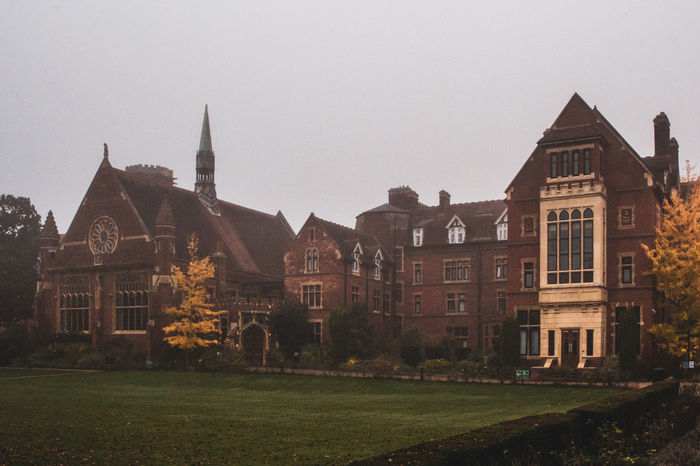
Brittin studied Land Economy at Robinson College, matriculating in 1986, and later worked in a senior role at Google, where he led operations across Europe, the Middle East, and Africa.
He also rowed for Cambridge, and later Great Britain, winning a bronze medal at the 1989 World Rowing Championships.
Brittin was appointed as director-general following a government-led selection process, and will be taking the position over from Tim Davie. Davie studied English at Selwyn College, and matriculated in the same year as Brittin.
Brittin’s tech background has sparked some conversation regarding his qualifications for a broadcasting and programme-making role.
BBC media editor Katie Razzall said that Brittin was selected “by the BBC Board for his insider knowledge of big tech”. She added that a portion of Brittin’s role will focus on progressing the BBC’s digital platforms, for example in news, as well as “transforming and innovating BBC iPlayer”.
Davie announced his resignation in November following controversy over the way Panorama, the BBC’s current affairs programme, edited a speech by Donald Trump. The episode resulted in a multi-billion dollar lawsuit against the BBC by the US President, and intensified scrutiny over the organisation’s editorial standards and impartiality.
The UK government said that Brittin’s appointment comes at a “pivotal time” for the BBC, adding that the new director-general will help ensure the broadcaster is “fit for the future” as it faces growing competition from streaming platforms and ongoing debate about its licence fee.
In recent years, the corporation has faced growing scrutiny over its funding model. The Guardian quotes Davie as saying the BBC is in “profound jeopardy” in terms of its financial future.
Davie added that the BBC does want reform, and that the organisation will be “in trouble” without changes to its current funding model or to the services offered.
Regarding his new position, Brittin said that he was “honoured” to take on the role, adding that the BBC remains “one of the most important cultural institutions in the UK and globally”.
He emphasised the need for the organisation to adapt and remain “relevant, trusted and valued by all audiences in a rapidly changing media environment”.
Davie said it had been a “privilege” to lead the BBC, highlighting the organisation’s role in providing “trusted, impartial news and world-class content”. He added that while the BBC must continue to evolve, it should also focus on “holding firm to its core mission of public service broadcasting”.
Brittin is expected to assume the role later this year.
 Comment / Top of the slops: the competitiveness of college dining4 June 2026
 Interviews / What’s the story behind Pages coffee house?8 June 2026
 News / News in Brief: Cambridge crowns, council confirmations, and competitive cricket8 June 2026
 Comment / The Cambridge drift1 June 2026
 News / Cambridge researchers produce ‘world-first’ AI vaccine6 June 2026
 Arts / Don’t rush me – I’m reading!9 June 2026
 Lifestyle / Don’t Cry at Me, Argentina – a next-year abroad story8 June 2026
- News / News in Brief: Cambridge crowns, council confirmations, and competitive cricket8 June 2026
 Science / Failure is the foundation of science8 June 2026
 Fashion / The hidden gems of formal fashion8 June 2026