The Cambridge science making Christmas more sustainable
Dhruv Shenai shines a light on the science research behind your Christmas

As we look forward to a merry Christmas with endless Home Alone repeats, it’s a chance to reflect on some of the Christmas-themed ways Cambridge research has been addressing sustainability.
Can GaN power Christmas?
Next time you walk around Sidney Street or Market Square and see the beautiful Christmas lights, think Gallium Nitride! Gallium Nitride (GaN) is now the most popular LED material for blue and white light, saving the UK millions on its energy bills each year. But around 10 years ago, our Christmas lights were even more expensive!
“A big reason why the price has come down is thanks to the early research done in the University’s Materials Department”
A big reason why the price has come down is thanks to the early research done in the University’s Materials Department. In its earlier form, Gallium Nitride was grown on sapphire wafers, making it expensive for commercial use. However, Cambridge researchers led by Professor Sir Colin Humphreys, and Plessey Semiconductors Ltd, found a method to grow GaN on silicon. Silicon is one of the most widely manufactured electronic materials, cutting the cost down massively.
Since then, GaN technology has advanced considerably, attracting a lot of investment and attention. Notably, Professor Rachel Oliver OBE, the director of the Cambridge Centre for Gallium Nitride, is also co-founder and chief scientific officer of the spinout company called Porotech. In 2020, she was listed in the Top 50 Women in Engineering.
It’s a wonderful hive
In the Cambridge Botanic Garden, the gardening team has been hard at work, not just lighting it up for the annual Cambridge Botanic Lights but also looking after the native insect population this Christmas.
Christmas is a difficult time for many, particularly the most vulnerable, and our bees and native insects aren’t immune to the cost-of-living crisis either! 41% of insects globally face the threat of extinction. While we may think of bees only in the warmer months, many forage in the winter. That’s why it’s so important we resist the cold and plant flowers year-round.
In particular, the Botanic Garden features bee-friendly flowers like snowdrops, oregon grape and winter honeysuckle. By leaving some herbaceous perennial seed heads (plants that live and bloom for many years but die in the winter) in the garden, it creates a home for many insects like bees, woodlice, ladybirds and lacewings over the winter.
“Leaving some herbaceous perennial seed heads creates a home for many insects over the winter”
Insects aren’t the only animals that benefit though. Many birds struggle for food in the winter months as their insect prey bury themselves in the ground for hibernation. That’s why planting berry-bearing plants and leaving bird food in the Gardens is also important.
So, the next time you visit the Botanic Garden, or your college’s grounds, look out for the plants that keep our ecosystem alive!
Food security at Christmas
With the festive season in full swing, large Christmas dinners appear to be all around, but it’s important to note that not everyone has this luxury. And often when we talk about sustainability, it’s framed as being at odds with food security, as if greener choices always make food more expensive or limit our options. Is this really the case? To find out more, I spoke to Dr Katherine Berthon in the Cambridge Zoology department.
“Professor Lynn Dicks and I are leading regenerative agriculture research under the H3 Project, which stands for healthy soil, healthy food, healthy people.” Katherine tells me. “H3 seeks to transform the UK food system to be more sustainable, recognising the interlinks between sustainable land management, production of healthy, nutritious food, and human health and wellbeing.” It’s a UK-based mission with particular promise; agriculture currently accounts for 10% of the country’s emissions, most of which comes from rearing animals.
“Agriculture is both a challenge and an opportunity for promoting food security in the UK”
“Agriculture is both a challenge and an opportunity for promoting food security in the UK, not just for people but for many wild animals. Historically, agriculture has been a major contributor to biodiversity loss through destruction of habitats, but farmland can also play a huge role in promoting biodiversity when managed sustainably, not just during Christmas but all year round.”
Katherine continues, “So far, there is clear evidence that regenerative farming can improve soil health (up to 70% increase in earthworms, 60% increase in soil aggregate stability), and improvements in biodiversity – bird numbers are higher on regenerative farms, and you can get up to twice as many spiders and wasps.”
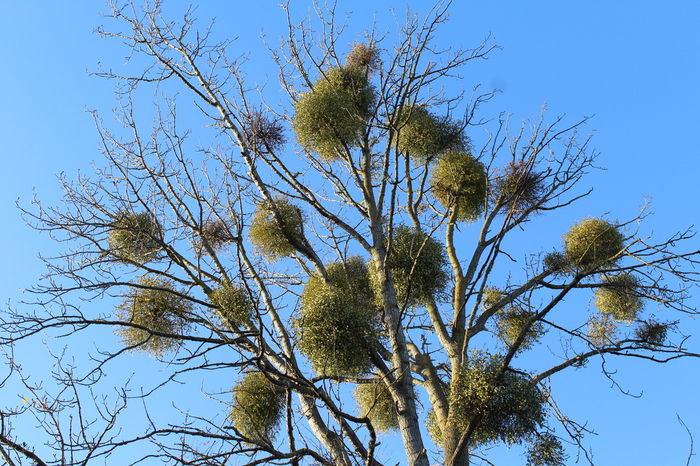
While a more plant-based diet offers a clear sustainability benefit, regenerative farming is a safe, pragmatic practice, preserving choice and biodiversity. Katherine concludes, “It’s worth putting the extra thought into where you source your Christmas dinner from – UK farmers are beginning to make the switch to more regenerative practices, but they need our support, and buying direct from your local farmer can make it cheaper, too.”
 Comment / The Cambridge drift1 June 2026
 Comment / Top of the slops: the competitiveness of college dining4 June 2026
 News / Cambridge psychologist warns against blanket social media ban for under-16s1 June 2026
 News / University support staff strikes end after month of action2 June 2026
 Music / We need to talk about Kendrick2 June 2026
- Comment / Top of the slops: the competitiveness of college dining4 June 2026
 Interviews / Bible Scholar Mattie Mae Motl: “God is a woman”4 June 2026
 Features / One big happy (college) family?4 June 2026
 Theatre / Bold beginnings in the Corpus Playroom 3 June 2026
- Music / We need to talk about Kendrick2 June 2026