Meet the founder of Cambridge’s ADHD society
Rosalind Howell discusses Cambridge life and all things ADHD with Anna-Theresa Munt
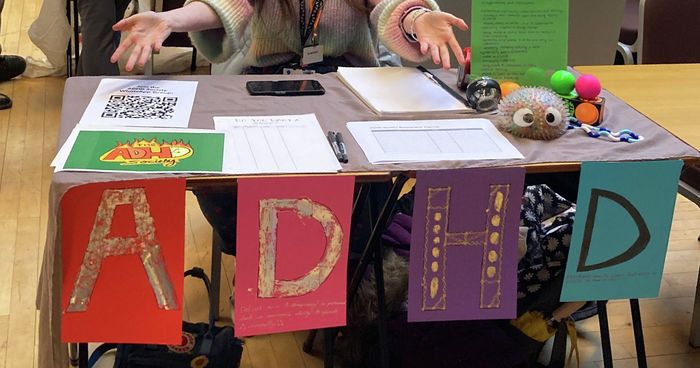
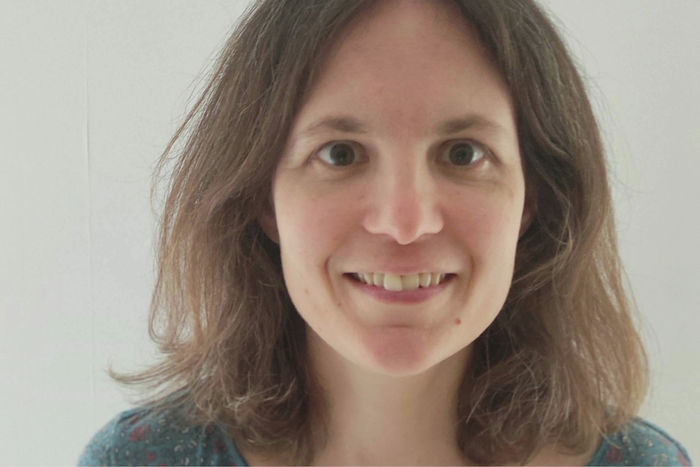
Cambridge is designed to push you to your academic limits, but for some students, the intellectual challenge is only half the battle. When Anna-Theresa Munt found herself mid-master’s degree without ADHD medication due to a shortage, she realised just how confusing neurodivergent life at Cambridge can be, and was inspired to found Cambridge’s ADHD society. I sat down with Munt to discuss her experience of ADHD, how it impacts student life, and to get to know a bit about the society.
What did you study at Cambridge? And what are you up to now?
I did history at undergrad, but I set up the society during my master’s, which was in children’s literature! I’m currently doing a law conversion, because I want to go into AI regulation. I’m also interested in disability law – I think the society helped with that.
What’s your experience being diagnosed with ADHD?
I’m a bit unusual for my generation of women with ADHD. I was diagnosed when I was 11, so I grew up knowing I had ADHD. Most of the books that I was given as resources told me that girls could also have ADHD, because that was the brand-new revelation at the time. A lot of people had to go through the diagnostic process as adults, which is a completely different system. I think in having such visible ADHD, I actually ended up with an advantage.
“I think in having such visible ADHD, I actually ended up with an advantage”
How do you think people with ADHD experience Cambridge differently?
One of the challenges with university is that loss of structure. If you’re smart enough to get by with doing slightly raggedy revision and you’re still able to get a good grade, you don’t get the necessary training to revise by yourself. With ADHD, that problem becomes ten times worse and, on top of it, the workload intensifies. That shift, I think, is a massive reason why people get diagnosed so early on in university. Suddenly there’s a drop, and it’s very noticeable.
What were your goals with founding the ADHD society?
I set it up during my master’s, because there was a massive medication crisis. I had been medicated since the age of 11, so I had never gone without it – I realised quite quickly that I wasn’t going to be able to get any, and that loads of other people who had recently been diagnosed weren’t either. I thought it would be really helpful if I created a network of people with ADHD who could communicate about all the issues that had arisen out of the crisis. Then I went a bit broader, because I thought having a community support group for ADHD would be really helpful for a lot of students.
“I realised just how many people had ADHD and the various different ways it could present itself”
Were there any significant challenges you had when setting up and continuing the society?
When I was working out how the society would function, I tried to make it as accessible as possible. A big part of that was accounting for the fact that people would struggle to show up to events. For instance, with the meetups, I made it not so much about attendance, but about having a regular time and place where people could show up when they wanted, which meant that if they missed one event, they could come to another.
Is there anything specific about running a society that has helped you in postgrad life?
Absolutely! I think the first is taking initiative even when you aren’t sure something’s going to be perfect, and pushing through when things look a little bit like they’re not working.
It also taught me to socialise a lot better. I realised just how many people had ADHD and the various different ways it could present itself. You have some people who are very extroverted and some people are very introverted, and both have ADHD. Realising that about other people made me better at understanding social interactions and how to properly engage.
As a final question, what advice would you give to students with ADHD?
Self-diagnosis is valid, and you should be able to access resources from the University. The screening process is specifically designed so that people don’t have to be diagnosed before they can access basic support. You’re not alone, and there is help out there. It’s not always easy to access, but it is worth it. A lot of people who get diagnosed late have already been managing their ADHD for a very long time without any – and it’s super impressive you’ve made it this far – but there’s no shame in getting help.
 Comment / Top of the slops: the competitiveness of college dining4 June 2026
 News / Cambridge researchers produce ‘world-first’ AI vaccine6 June 2026
 Comment / The Cambridge drift1 June 2026
 Interviews / What’s the story behind Pages coffee house?8 June 2026
 News / News in Brief: Cambridge crowns, council confirmations, and competitive cricket8 June 2026
 Arts / Don’t rush me – I’m reading!9 June 2026
 Lifestyle / Don’t Cry at Me, Argentina – a next-year abroad story8 June 2026
- News / News in Brief: Cambridge crowns, council confirmations, and competitive cricket8 June 2026
 Science / Failure is the foundation of science8 June 2026
 Fashion / The hidden gems of formal fashion8 June 2026