
Commercial Feature
Why worn brake discs are one of the most common MOT failures in the UK
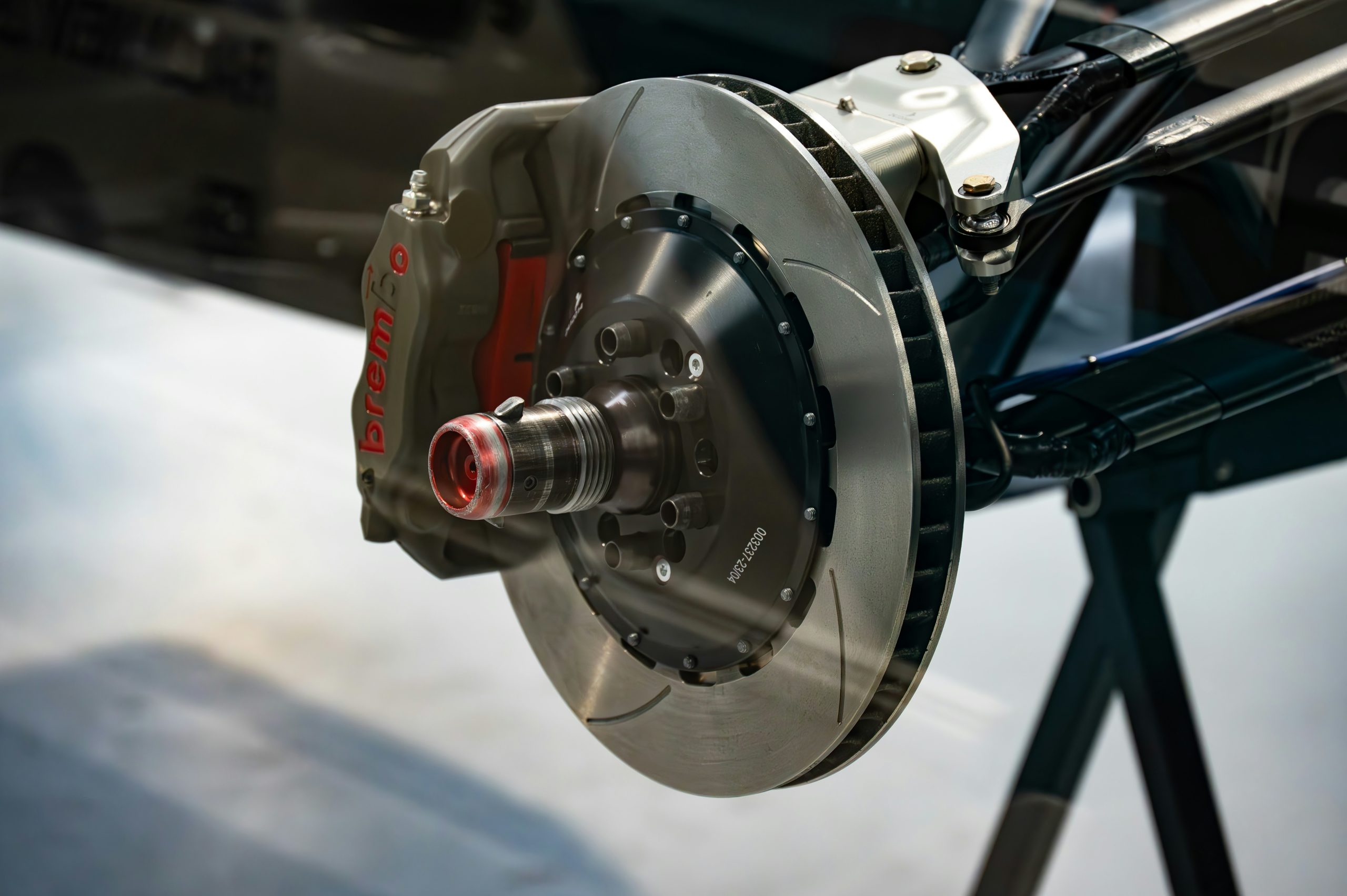
Brake discs rarely fail without warning. The signs are there a vibrating pedal, a squeal on braking, a car that takes longer to stop than it used to. The problem is that most of those signs appear gradually, and it’s easy to get used to them. By the time something feels seriously wrong, the disc surface is often already damaged beyond a simple replacement.
Brake discs work together with the pads to stop your car. Every time you press the pedal, the pads clamp against the disc and convert kinetic energy into heat. Over time, that constant friction wears both components down. When discs go past their limit, stopping distances increase, the pedal starts to feel wrong, and the car becomes unpredictable under hard braking exactly when you need it most.
What happens when you ignore worn brake discs
Worn brake discs don’t just affect comfort running discs thinner than specified can reduce braking performance and increase fade under load. On wet UK roads, that margin matters.
The scale of the problem is significant: over 30 million MOT tests are carried out in the UK annually, and braking performance remains one of the most critical safety areas inspected. Winter driving and road salt accelerate disc corrosion, which is why early spring often sees more brake-related advisories and failures.
Beyond safety, delay costs money. A worn pad left on a worn disc scores the surface further. What might have needed a disc replacement alone now needs new pads too and if the disc is badly grooved, it can accelerate wear on the caliper as well.
Five signs your brake discs need replacing and when to act
Brake disc wear is gradual, which makes it easy to miss. Brake pads typically last between 30,000 and 60,000 miles, while discs usually go a little further around 50,000 to 70,000 miles. But driving style, road conditions, vehicle weight, and corrosion from road salt all shorten those figures considerably. Most mechanics recommend checking both at the same time and replacing together where possible.
These are the clearest signals that something needs attention:
- Squealing or screeching when braking. Most brake pads have a metal wear indicator that scratches the disc surface once the pad reaches its limit. That noise is deliberate it’s telling you to act.
- Vibration through the pedal or steering wheel. If the disc surface has become uneven through heat warping or heavy wear, you’ll feel it as a pulsing sensation when you brake. This is sometimes confused with an ABS activation, but it happens on normal stops too.
- Longer stopping distances. If the car feels like it needs more pedal pressure to slow down, or takes noticeably longer to stop, the discs or pads may no longer be doing their job properly.
- Visible grooves or scoring on the disc surface. You can often see the disc through the wheel spokes. Deep grooves, heavy rust, or cracks are all reasons to get a proper inspection.
- Warning light on the dashboard. Most modern cars have an electronic wear indicator that triggers a dashboard alert when the brake system needs attention. Don’t dismiss it.
How to replace brake discs yourself
Brake disc replacement is a manageable DIY job for anyone comfortable working on a car. Always replace both discs on the same axle at the same time to ensure even braking.
- With the car on the ground, loosen the wheel nuts slightly
- Raise the car with a jack and secure it on axle stands chock the opposite axle
- Remove the wheel
- Unbolt the brake caliper usually two bolts at the back and hang it securely with wire. Never let it hang by the brake hose
- Remove the brake pads if needed
- Slide off the old disc. If it’s seized, tap it gently with a rubber mallet
- Clean the hub surface with a wire brush to remove rust and debris
- Fit the new disc, aligning it with the hub
- Reinstall the pads and caliper, torquing all bolts to the manufacturer’s specification
- Refit the wheel and lower the car
- Before driving, pump the brake pedal several times to seat the pads against the new disc surface
Important: the first few stops after fitting new discs should be gentle. New disc and pad surfaces need a short bedding-in period to reach full braking performance.
The most common mistakes when replacing brake discs
Replacing only one disc on an axle. Brake discs wear in pairs. Fitting one new disc alongside a worn one creates uneven braking force and can pull the car to one side under heavy braking.
Skipping the pads. Fitting new discs onto old, worn pads means the new surface beds in unevenly. Always check and replace both at the same time.
Not cleaning the hub. Rust and debris on the hub surface prevent the new disc from sitting flat, causing vibration and uneven wear from the first use.
Forgetting to bed in the brakes. New discs and pads need gradual break-in stops before they reach full performance. Aggressive braking immediately after fitting can cause heat spotting on the disc surface.
Wrong part for the vehicle. Brake discs vary by axle, vehicle spec, and sometimes engine size. Always search by make, model, and engine to confirm compatibility before ordering. If you can’t find your exact spec, contact support directly.
Do you have to replace all four discs at once
Not necessarily replace by axle, both fronts or both rears together. Replacing all four is ideal if mileage and condition are similar across all wheels, but not a strict requirement. What to avoid is replacing a single disc in isolation: different friction and wear rates on the same axle affect braking balance and put additional stress on the new component.
 Comment / Top of the slops: the competitiveness of college dining4 June 2026
 Comment / The Cambridge drift1 June 2026
 News / Cambridge researchers produce ‘world-first’ AI vaccine6 June 2026
 News / Two more women allege sexual harassment by classics professor Simon Goldhill 28 April 2026
 Features / One big happy (college) family?4 June 2026
 Science / Failure is the foundation of science8 June 2026
 Fashion / The hidden gems of formal fashion8 June 2026
 Interviews / What’s the story behind Pages coffee house?8 June 2026
 Theatre / ‘Where does actor begin and puppet start?’7 June 2026
 Music / T.S. Eliot meets Eurovision: LYR + Natalie Wildgoose at The Storey’s Field Centre7 June 2026
