
Commercial Feature
Why Studios That Build Their Own Sound Libraries Win in the Long Run
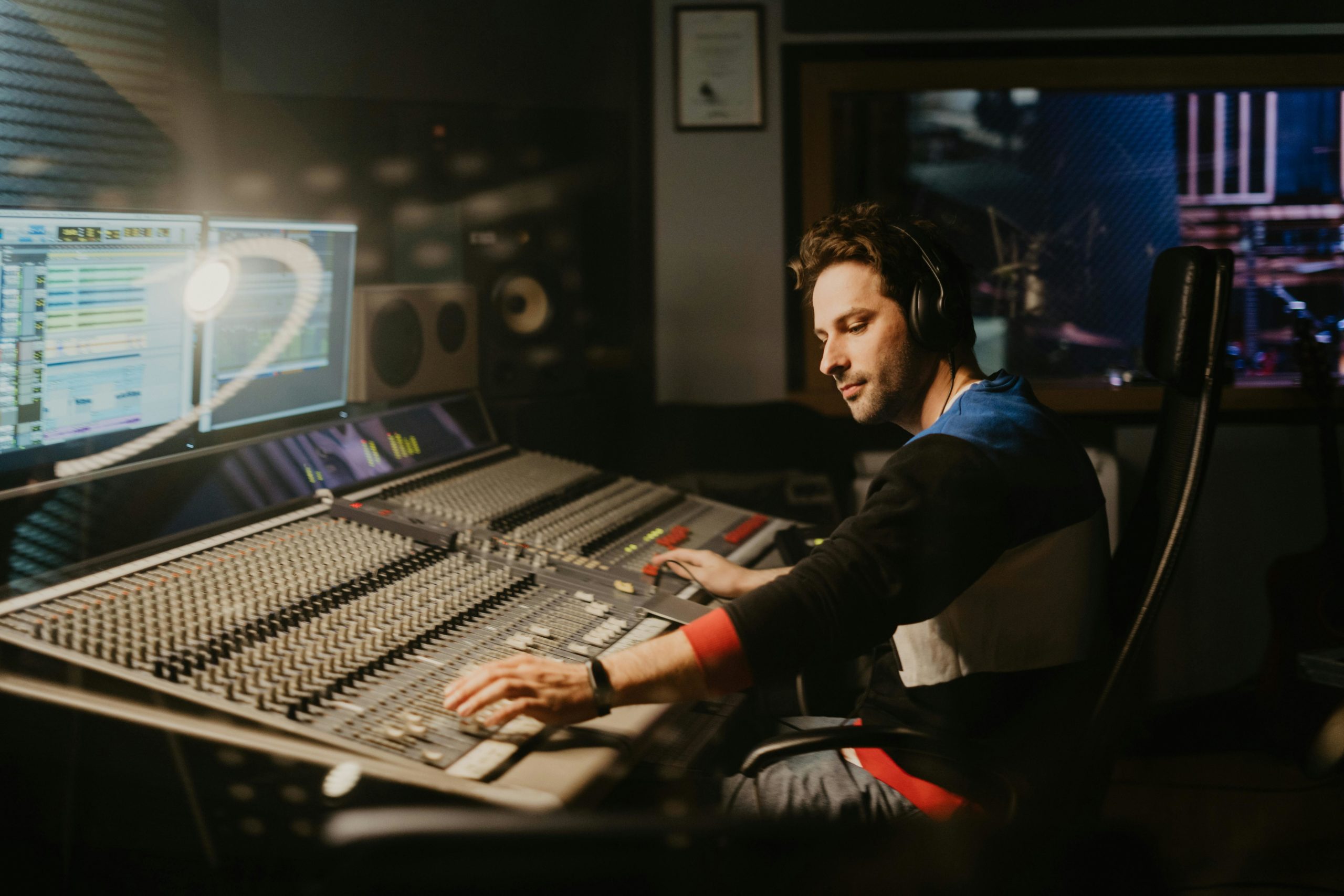
The sound identity of a production — whether it’s a feature film, a AAA game title, or an episodic series — is shaped as much by the assets in the studio’s library as by the talent editing them. Studios that rely entirely on off-the-shelf sound effects tend to produce work that, to trained ears, sounds familiar in ways that undercut immersion. Studios that invest in building proprietary SFX libraries develop a sonic fingerprint that carries across projects, strengthens their brand, and gives their sound team a working environment where every asset has been selected or created with specific production needs in mind.
The Case for Going Proprietary
The argument for building a custom library isn’t simply about exclusivity, though that matters in competitive production contexts. It’s about fit. Generic libraries are built to cover broad use cases, which means individual assets are designed to be versatile rather than precise. A studio producing a particular genre — survival horror, hard science fiction, period drama — has recurring sonic requirements that a general-purpose library will never address with the specificity that in-house production demands. Custom assets built around those requirements reduce the time sound designers spend searching, processing, and compromising, and increase the time they spend making deliberate creative decisions.
There’s also a licensing dimension worth taking seriously. Proprietary assets carry no third-party licensing restrictions, which simplifies clearance for international distribution, platform releases, and derivative productions. Studios that have experienced the friction of clearing library assets for a console port or a streaming deal tend to be motivated by that experience to build ownership into their audio workflow from the start.
Starting with a Strong Foundation
Building a custom library from scratch is not realistic for most studios as a first step. The practical approach is to begin with a curated commercial foundation and build outward from it. Finding sound effects through a professional-grade source gives your team high-quality raw material that can be recorded, processed, layered, and transformed into proprietary assets — sounds that share DNA with their source material but have been shaped specifically for your production context. This approach also provides coverage for categories that are expensive or logistically difficult to record independently, such as large-scale machinery, weapons, vehicles, and natural environments.
From that foundation, the library grows through targeted recording sessions, foley work, and the accumulation of designed elements created during production. Over time, the ratio shifts toward original material, and the commercial assets that seeded the library become a smaller proportion of what the team actually reaches for.
Structuring the Library for Real Production Workflows
A library that isn’t organised for the way your team actually works is a liability rather than an asset. The metadata and folder structure decisions made early in a library’s life determine how useful it remains as it scales to tens of thousands of assets. For studios working in Unreal Engine or Unity, integration with the engine’s audio middleware — typically Wwise or FMOD — adds another layer of organisational requirements, since assets need to be named, tagged, and structured in ways that support implementation without creating technical debt.
The most common structural failure in custom libraries is inconsistent metadata. Assets recorded by different team members, imported from different sources, or added during different production cycles often carry incompatible naming conventions and incomplete category tagging. Establishing a metadata standard before the library grows large is considerably easier than retrofitting it afterward, and that standard should be documented, enforced, and updated as the library evolves.
Maintaining the Library as a Live Resource
A custom sound library is not a completed project — it is an ongoing operational resource that requires active maintenance to remain useful. Assets that were designed for one production often need to be reviewed, retagged, or supplemented before they serve the next one effectively. Recording sessions should be scheduled regularly, not only during active production, to capture materials in controlled conditions when time pressure is lower. Periodic audits of the library’s coverage map — identifying categories that are thin, outdated, or inconsistent in quality — keep the collection functional as production requirements evolve.
Studios that treat their sound library as infrastructure, in the same way they treat their render pipeline or asset management system, tend to see compounding returns over time. The initial investment in building and organising the collection pays dividends across every production that draws from it, and the competitive advantage of a distinctive, studio-specific sound identity only grows as the library matures.
 News / Cambridge OCR fined £270k for exam paper errors27 April 2026
 News / Two more women allege sexual harassment by classics professor Simon Goldhill 28 April 2026
 News / News in Brief: botched ballots, banned smartphones, and breaking Antarctic ice28 April 2026
 Comment / The bubble tea spectacle29 April 2026
 News / Corpus Master on sabbatical for entirety of Lent term25 April 2026
 News / University study reveals how monkeys cope with eating junk food1 May 2026
 News / John’s professor awarded $1.4m Templeton Prize30 April 2026
 Lifestyle / On being second best30 April 2026
 Science / The joys of the field trip30 April 2026
 Interviews / ‘All photographs are objectifications’: photographer Mark Neville on the difficulty of representation 29 April 2026
