
Commercial Feature
The Subscription Treadmill: How Students Are Paying More for Less
Let’s talk about your monthly direct debits. Scrolling past rent and the supermarket shop, you’ll see them: the rolling charges for the tools you need to function. Spotify for your library sessions. Netflix for your downtime. Maybe a news subscription. And then there are the academic essentials the reference manager, the cloud storage, the language app you swore you’d use daily. For students, this “subscription sprawl” isn’t just an annoyance; it’s a significant financial drain on already stretched budgets. You’re not just paying for university; you’re paying a digital tax just to keep up.
It forces a constant, frustrating calculus. Do you cancel the music to afford the grammar checker? Do you share a password (and risk getting locked out) to split the cost of a streaming service? This isn’t how the digital age was supposed to feel. But a smarter approach is emerging, one that applies a classic student survival skill resource sharing to the modern problem of software access.
The “House Share” Model for Your Digital Life
The principle is already familiar in the real world. You split the rent, the utilities, the grocery bill. It’s the only way to make ends meet. So why do we accept paying full price, alone, for every digital service?
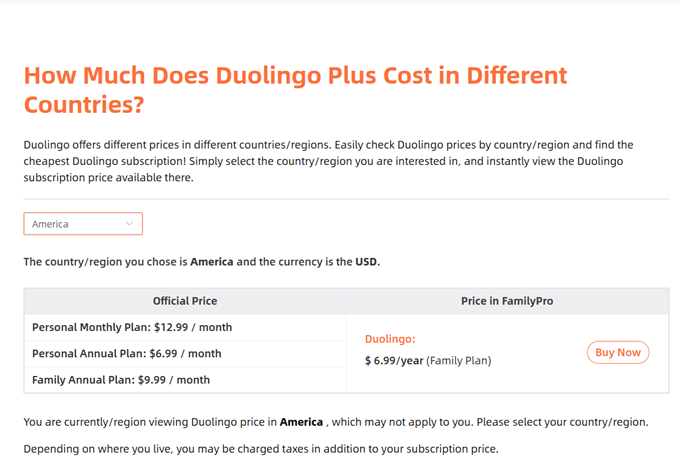
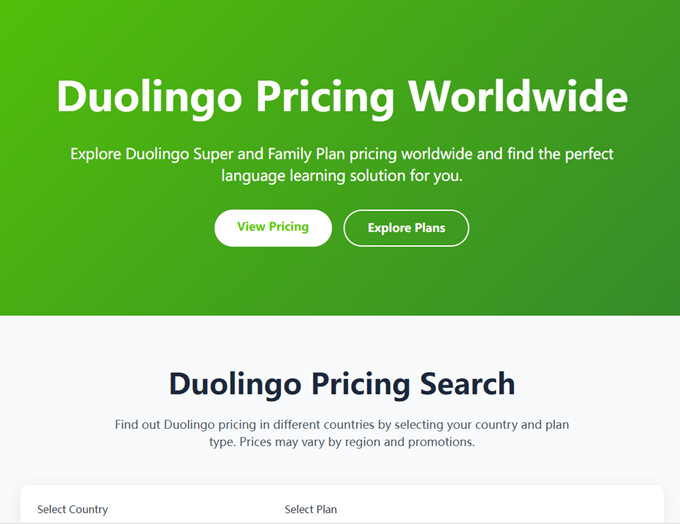
This is where the logic of the shared “family plan” is being radically expanded. It’s not just for your actual family anymore. Think of it as a digital house share for software. By grouping together, you can access a shared portfolio of premium tools from entertainment and music to powerful AI assistants and learning platforms for a fraction of the individual cost. The duolingo family plan, for example, is a perfect microcosm of this. Why pay for six separate language learning subscriptions when one managed plan gives the full duolingo online experience to a whole group for less?
Beyond Entertainment: Unlocking Academic and Creative Tools
The real power of this model for students goes far beyond saving a few quid on Netflix. These shared platforms often include access to the kind of professional-grade software that is normally far beyond a student budget.
Need to edit a video for a society project? Enhance images for a portfolio? Convert a lecture recording to text for revision notes? These utilities are often included. It democratises access. Suddenly, a student in a tiny dorm room has the same digital toolkit as a professional freelancer, removing the financial barrier between an idea and its execution. It turns “I can’t afford the software” into “Let me just open the tool and try it.”
The Practical Payoff: More Than Just Money Saved
Adopting this shared approach solves multiple student headaches at once.
- Financial Predictability: It replaces a dozen variable subscriptions with one predictable monthly or annual cost, making budgeting infinitely easier.
- Reduced Administrative Friction: No more tracking countless renewal dates or dealing with failed payment alerts on a student card. One login, one bill.
- Encouragement to Experiment: When a powerful design app or AI tool is just there as part of your existing bundle, you’re more likely to use it for a essay presentation or a personal project. It lowers the barrier to learning new, marketable digital skills.
A Modern Strategy for Student Life
Being a student has always been about resourcefulness. That now needs to extend to your digital footprint. The old model of individual subscriptions for every single service is financially broken for anyone on a limited income.
The shared-access model isn’t a life hack; it’s a necessary financial strategy. It’s about applying communal sense to the digital economy, ensuring that the cost of technology doesn’t become a barrier to education, creativity, or simply having a bit of fun. For the savvy student, it’s the difference between being drained by the digital world and being empowered by it.
 News / Missing Sidgwick sculpture spotted in Oxford 1 April 2026
 News / Downing law society banned from holding formals in College for a year31 March 2026
 Features / Hyper-productive or healthy? The rise of wellness culture at Cambridge1 April 2026
 News / Homerton plans to convert former Labour Club into student accom1 April 2026
 News / International students complain of ‘impossible choice’ under Cambridge travel disruption policy28 March 2026
 Lifestyle / Take a punt, and try canoeing!3 April 2026
 News / Cambridge alumnus Matt Brittin appointed BBC director-general3 April 2026
 Arts / In defence of decorative poetry3 April 2026
 News / Record-breaking £190 million donation will fund new Cambridge School of Government2 April 2026
 Interviews / Cambridge SU presidents on divestment, engagement and the role’s challenges1 April 2026
