
Commercial Feature
The Psychology of Cosiness: What Really Makes a Room Feel Warm?
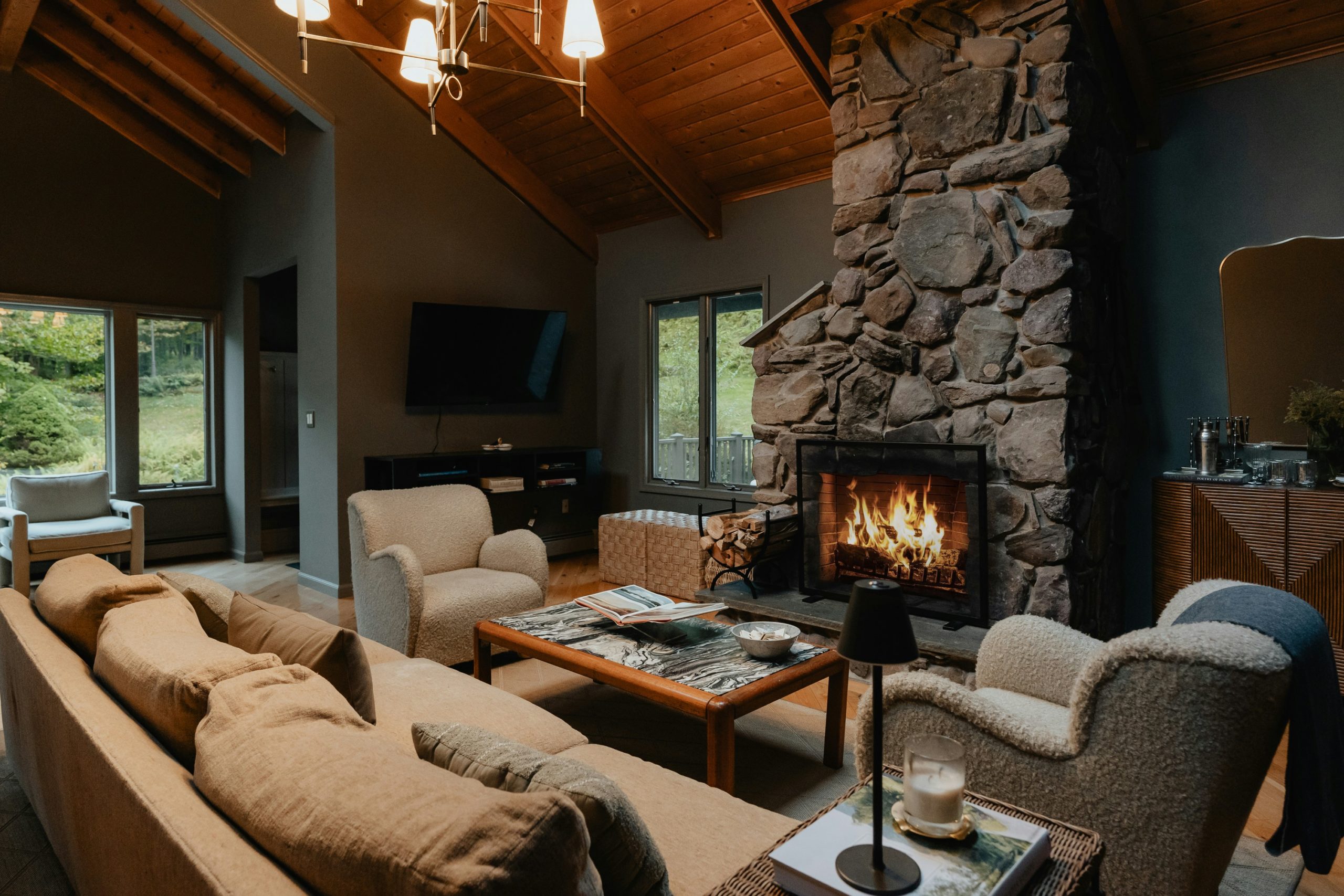
Some rooms feel welcoming within seconds. Others, despite carefully chosen décor and expensive furniture, can feel strangely cold and uncomfortable. Cosiness isn’t about cluttering a space with throws or filling every corner with accessories either. It’s something deeper that’s rooted in psychology, proportion, materiality, and the way light interacts with surfaces.
A truly warm room makes the body relax. Shoulders dropping, breathing slowing. There’s a sense of enclosure and safety. This response isn’t accidental! It’s shaped by how the brain interprets scale, texture, colour, and natural cues.
Why Size Matters More Than Style
Cosiness is closely linked to a sense of containment. Large, empty spaces feel exposed, while oversized furniture in a small room can feel overwhelming. The key lies in balance.
We instinctively seek environments that feel protective. High ceilings and wide-open layouts are impressive, but without visual anchoring, they can feel cavernous. Introducing elements that “lower” the perceived height, such as pendant lighting, taller bookcases, or even wall panelling. These subtly bring the room down to a more intimate level.
Proportion between furniture pieces is equally important. A tiny rug floating beneath a large sofa crates visual disconnect. In contrast, a generously sized rug that sits under most of the seating arrangement makes the area feel grounded and cohesive.
Flooring plays a quiet, but powerful role here. Wide-plank engineered wood can visually stretch a small room, while narrower planks or parquet flooring adds rhythm and movement. This helps expansive spaces feel less stark. Herringbone or chevron designs, for instance introduce subtle visual interest without clutter.
When scale feels right, the room feels stable. And stability translates directly to comfort.
The Brain Loves Contrast
Texture is where cosiness truly begins.
A room filled with flat, smooth surfaces, like glossy paint and glass tables, may look sleek but can feel emotionally distant. Our brains read texture as information. Varied surfaces then create depth, which signals life and warmth.
Think in layers rather than individual pieces. Soft upholstery against structured wood, woven rugs over smooth engineered flooring, matte ceramics beside brushed brass, linen curtains filtering natural light, and so on.
This layering mimics nature. Think about it: nothing is perfectly smooth in the outdoors. There’s bark, stone, foliage, and soil. By bringing that variation indoors, you can make a space feel instinctively more comforting.
Flooring again forms the base layer here. Natural wood, textured laminate, or even realistic wood-effect LVT provides visual grain and movement underfoot. That subtle patterning prevents the room from feeling flat before any furnishings are added.
But, it’s important to remember that texture layering isn’t about excess. It’s about balance. Too many competing fabrics can feel chaotic. The goal is contrast within cohesion: mixing soft with structured, matte with gentle sheen.
When surfaces invite touch, a room feels lived in rather than staged.
The Science Behind Warm Lighting
Lighting might be the most underestimated level of cosiness.
Cool white light feels clinical, which makes it useful for task-focused spaces, but it’s not great for relaxation. Warm white lighting, on the other hand, mimics candlelight and sunset tones. This then triggers our associations with safety and rest.
The brain evolved around firelight. Soft amber hues signalling evening and winding down time. That’s why restaurants, boutique hotels, and thoughtfully designed living spaces lean into layered warm lighting rather than a single bright overhead fixture.
True cosiness requires layered lighting too. From ambient lighting and task lighting to accent lighting. Positioning lights at different heights also matters: overhead-only lighting flattens a room, while lamps at eye level create pools of glow, shaping intimate zones within larger spaces.
Why Saturation Feels Safer
Cosy spaces rarely rely on pure white walls alone.
While bright whites can feel fresh and open, they often lack depth. Colour depth, meaning richness and subtle undertones, creates a sense of enclosure and calm.
Deep greens, muted terracottas, warm taupes, and complex blues absorb light rather than bouncing it harshly. This soft absorption reduces glare and increases perceived comfort.
Psychologically, darker hues feel grounding because they echo dusk and shelter. That doesn’t mean every room needs to be painted navy though! Even neutral shades with warm undertones can transform a space.
Consider cream instead of stark white, greige with warmth rather than cool grey, and mushroom tones instead of flat beige.
Flooring influences colour perception too. Warm-toned wood enhances earthy palette. Whereas grey-washed floors pair better with cooler schemes, but they may need additional warmth through textiles or lighting to avoid being sterile.
The trick once again lies in layering. Walls, floors, and furnishings need to work together, not compete, in order to make a room truly feel warm. All it takes is intentional and enveloping colours.
The Role of Natural Materials
We’re wired to respond positively to natural materials. This concept, known as biophilic design, explains why timber, stone, and linen feel inherently comforting.
Natural materials carry subtle irregularities: knots in wood, veins in marble, variations in weave. These imperfections signal authenticity, which the brain interprets as real and grounding.
Wood flooring, engineered or solid, offers warmth both visually and physically. Unlike cold tiles or high-gloss finishes, timber softens acoustics and adds tactile comfort underfoot.
Stone and clay elements introduce weight and permanence. Woven jute or wool rugs add softness without artificial sheen. Linen curtains filter light gently rather than sharply.
Even high-quality luxury vinyl tiles that replicate natural grain can tap into this effect when paired with genuine accents. It’s less about purity and more about visual cues.
Rooms dominated by synthetic, highly processed materials can feel disconnected. Introducing natural textures, even in small doses, restores balance.
Simply put: nature calms the nervous system and that response can be carried through the indoors.
Is Cosiness Worth Designing For?
Absolutely!
Cosiness isn’t about aesthetics alone. It affects wellbeing. A room that feels warm encourages longer conversations, deeper rest, and more meaningful downtime. It reduces sensory stress.
Importantly, it doesn’t require constant redecorating. Adjusting lighting temperature, reconsidering scale, introducing layered texture or embracing richer tones can transform an existing space.
True warmth comes from thoughtful foundations. Whether that’s flooring that grounds the room, lighting that flatters, colours that envelop, and materials that feel authentic. Cushions and throws are finishing touches as the real magic lies beneath.
 News / Missing Sidgwick sculpture spotted in Oxford 1 April 2026
 Features / Hyper-productive or healthy? The rise of wellness culture at Cambridge1 April 2026
 News / Record-breaking £190 million donation will fund new Cambridge School of Government2 April 2026
 News / Homerton plans to convert former Labour Club into student accom1 April 2026
 News / Downing law society banned from holding formals in College for a year31 March 2026
 Fashion / A taste of the glamorous life4 April 2026
 Lifestyle / Take a punt, and try canoeing!3 April 2026
 News / Cambridge alumnus Matt Brittin appointed BBC director-general3 April 2026
 Arts / In defence of decorative poetry3 April 2026
- News / Record-breaking £190 million donation will fund new Cambridge School of Government2 April 2026
