
Commercial Feature
How Luck Plays Its Part in the Grand National
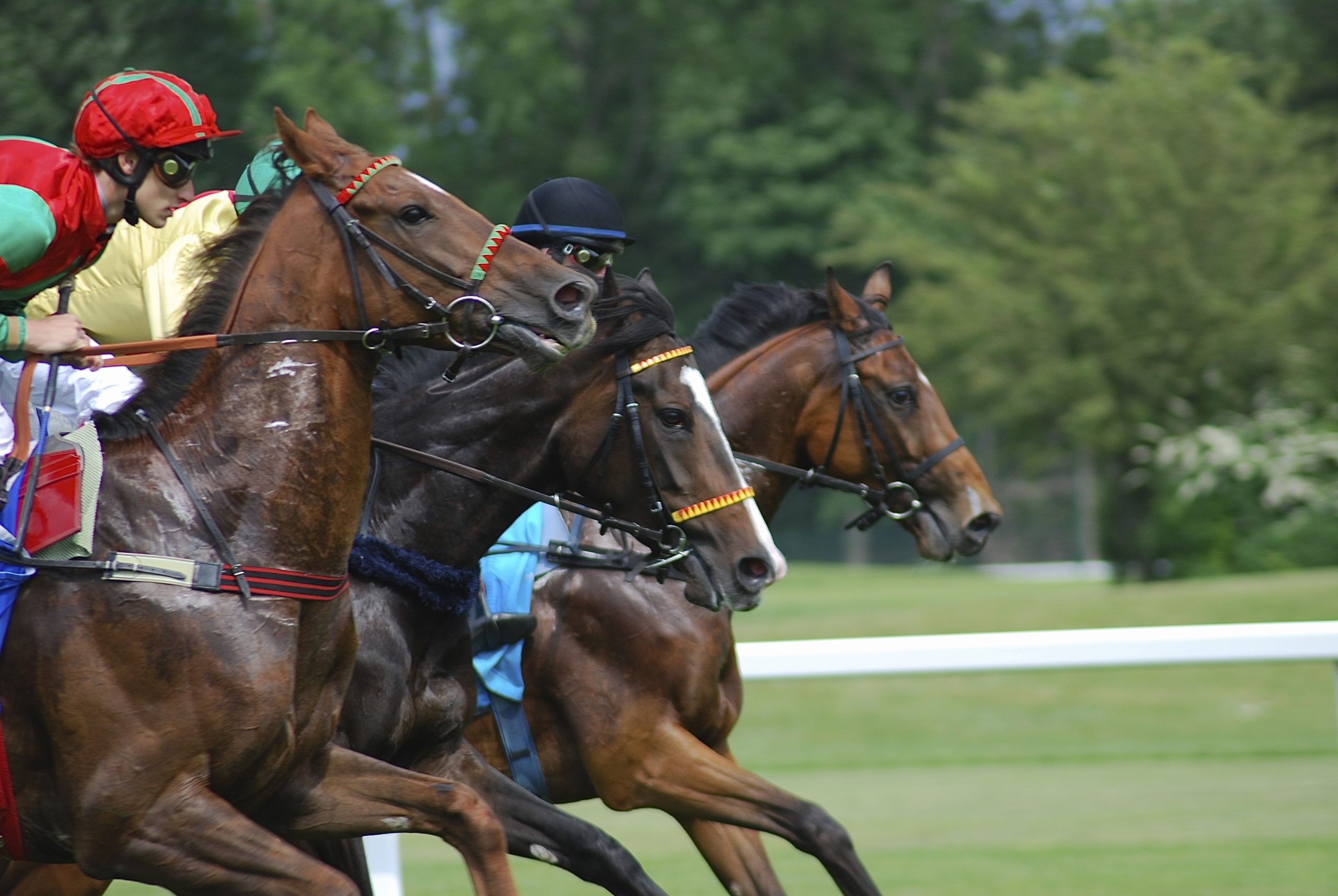
The Grand National is one of the greatest horse racing events of all time, which takes place in April each year. As with many global horse racing events, the history of the Grand National is part of what makes it so special, and it dates back to the early 1800s. Over the years, the event has changed significantly, from its structure to its technological implementations. What has remained the same throughout the Grand National’s history is the role of luck. Whilst many other factors play a larger role in triumph at the Grand National, it is undeniable that luck is a factor in many races. With its expansive structure bringing together a larger field than most horse racing events, luck can be pivotal.
Grand National History
The Grand National is the pinnacle of National Hunt racing and has earned its reputation over time, dating back to its inaugural race in 1839. The first winner of the Grand National was a horse named Lottery, etching its name in the history books. The event was created to provide something different: a longer-distance race with high fences designed to test a horse’s every attribute. The race quickly gained popularity in the United Kingdom during the 19th century and has seamlessly carried over into the 20th and 21st centuries. Part of what makes the race so special compared to others is the unusual fences dotted around the track, which have been given names. Some of the most infamous jumps that horses must conquer on the Aintree Racecourse in the Grand National include the Beecher’s Brook, The Chair, and Canal Turn.
Throughout the Grand National’s history, there have been some infamous horses and historic outsiders who have won the race, helping to shape the sport’s history. Red Rum is widely regarded as the greatest competitor in the history of the event, winning the Grand National three times, including back-to-back wins in 1973 and 1974. Although horses like Red Rum discredit the claim of luck in the Grand National, the story of Foinavon strengthens the claim. In the 1967 Grand National, Foinavon won the race after being priced out at 100/1, following a large build-up at the fence. Foinavon essentially struck gold in this run, with all that was required of him was to jump the fence to etch out a clear lead in front of the rest of the pack.
Why Fortune Matters as Much as Form
Though many racing analysts put in extraneous research attempting to identify the strongest horse of the pack, there are often many twists to the race. Looking through form is one of the most common practices individuals partake in when trying to pick out a winner, though fortune plays an equal role, a factor you cannot track. While some people may glance at things like odds on the Grand National to get a general sense of how runners are viewed. With a large number of horses competing, positioning, timing, and split-second decisions all play a role alongside preparation.
With 30 fences that each horse has to navigate, the smallest of mistakes can be vital in the race, even with mistakes that cannot be helped. In the Grand National and horse racing in general, avoiding loose horses is important for all horses looking to win the event.
Although form may give analysts a good inclination on the favourites of the Grand National, those with the best form leading up to the race can be scrapped if they encounter misfortune.
Famous Grand National wins Decided by Fortune
Fortune has played its role in many major race meetings over the years, including the Grand National. Stamina and race preparation still play huge roles in the event, though even those with the most finely tuned attributes can fall short due to misfortune. The race spanning over 4 miles with 30 fences to navigate creates conditions where even the strongest favourite races can be affected by falls or interference.
Foinavon, as we mentioned, is one of the most famous cases of luck in the Grand National, which saw him win despite being priced at 100/1 by bookmakers. In the race, he was well behind the leading pack when a loose horse caused a huge pile-up towards the back end of the jumps. Almost the entire field was blocked, but Foinavon slipped through, took a massive lead, and won the race.
Another case of luck in the Grand National is Red Marauder, which struck luck when only four horses completed the race. In rettible conditions, many contending horses could not finish the race, making completion more essential than efficiency, which Red Marauder thrived in.
Noble Yeats is the last example we will cover, who also benefited from the unfortunate event of the rivalling horses, with many of the leading contenders making mistakes early on. Noble Yeats jumped well and stayed strong throughout, winning the race with the favourites having too much ground to make up.
 News / New Cambridgeshire train line could connect Bedford, Milton Keynes, Oxford, and Cambridge17 April 2026
 News / Classics professor gave female student unconsensual ‘slobbery kiss’10 April 2026
 Theatre / From trapeze to theatre19 April 2026
 News / News in Brief: self-driving cars, speeding trains, and Selwyn shortlisters18 April 2026
 Lifestyle / The blessings and curses of the uni house16 April 2026
 News / Graduation ceremony disrupted by pro-Palestine student protester20 April 2026
 Interviews / How a Varsity column led Adam Macqueen to Private Eye’s offices20 April 2026
- Theatre / From trapeze to theatre19 April 2026
 Features / Land Economy – what’s that?19 April 2026
- News / News in Brief: self-driving cars, speeding trains, and Selwyn shortlisters18 April 2026
