
Commercial Feature
How John Hardy Became a Symbol of Modern Artisan Fashion
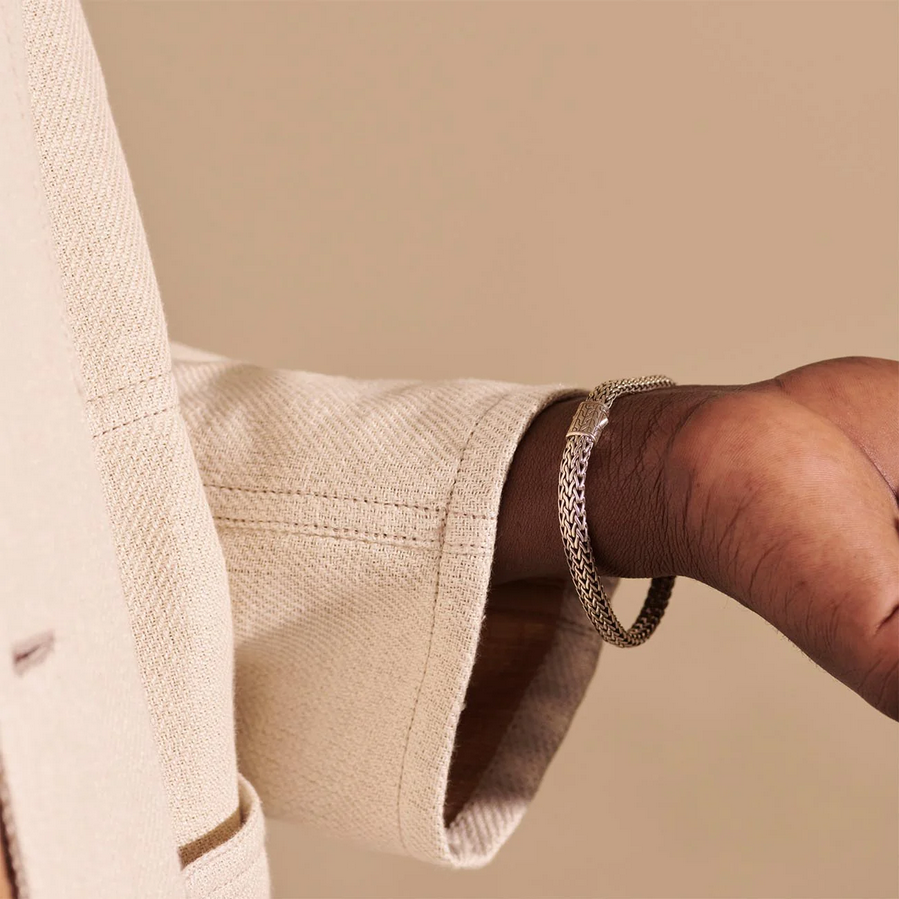
Luxury fashion is undergoing a major cultural shift. Consumers today are becoming increasingly selective about the products they buy, focusing less on fast-changing trends and more on authenticity, craftsmanship, and individuality.
This transformation has created strong demand for artisan-inspired accessories that feel meaningful rather than mass-produced. Among the names frequently associated with handcrafted luxury, john hardy continues to stand out for its distinctive design philosophy and recognizable woven aesthetics.
As fashion evolves toward intentional purchasing and timeless styling, artisan jewelry brands are gaining renewed relevance among consumers looking for accessories that combine artistic identity with long-term wearability.
The Changing Definition of Luxury
Luxury used to be heavily associated with exclusivity, logos, and visible status symbols. While those elements still influence certain markets, modern luxury consumers are increasingly prioritizing quality, craftsmanship, and emotional value.
Today’s buyers often prefer products that feel personal and authentic rather than excessively commercialized.
This trend is especially visible among younger consumers, many of whom are drawn toward minimalist aesthetics and meaningful ownership rather than overt displays of wealth.
Jewelry has become one of the strongest expressions of this shift because accessories often remain part of a person’s wardrobe for many years.
Unlike seasonal fashion items, fine jewelry tends to hold both emotional and stylistic significance over time.
Why Handcrafted Design Matters
Handcrafted luxury has become increasingly influential within modern fashion culture.
Consumers are paying closer attention to how products are made and whether craftsmanship is genuinely visible in the final design.
Artisan jewelry stands apart because it often showcases texture, weaving techniques, sculptural forms, and organic details that communicate human artistry.
This handcrafted quality creates a sense of individuality that mass-produced accessories often lack.
Many consumers now see artisan craftsmanship as a form of quiet sophistication — a way to express refined taste without relying on heavy branding or trend-driven fashion.
This movement has helped handcrafted jewelry maintain strong relevance even as fashion cycles continue accelerating.
Jewelry Is No Longer Reserved for Special Occasions
One of the most important shifts within modern fashion is the rise of everyday luxury.
Fine jewelry is no longer viewed as something reserved exclusively for weddings, formal events, or milestone celebrations. Instead, consumers increasingly integrate premium accessories into daily personal style.
Bracelets, necklaces, rings, and earrings are now commonly styled with relaxed tailoring, denim, knitwear, and even casual streetwear-inspired outfits.
This evolution has increased demand for versatile jewelry capable of adapting naturally to different lifestyles and environments.
Consumers want pieces that feel elevated but still wearable enough for everyday use.
Artisan-inspired collections fit particularly well within this trend because handcrafted aesthetics often balance sophistication with comfort and ease.
The Influence of Minimalism
Minimalist fashion continues shaping luxury trends worldwide.
Consumers are increasingly drawn toward refined silhouettes, neutral color palettes, and carefully selected accessories instead of heavily embellished fashion.
Within jewelry, this shift has strengthened appreciation for texture, craftsmanship, and subtle artistic details.
Modern luxury consumers frequently prefer understated elegance over excessive visual complexity.
Artisan jewelry aligns naturally with this aesthetic because it often emphasizes material quality and handcrafted detail rather than oversized branding.
This balance between simplicity and individuality has become central to contemporary fashion styling.
Personal Expression Through Jewelry
Fashion today is more personal than ever.
Consumers are no longer following strict trend rules or building wardrobes solely around seasonal fashion movements. Instead, many people curate their style based on lifestyle, identity, and emotional connection.
Jewelry plays a particularly important role within this process because accessories often become part of someone’s daily identity.
A bracelet or necklace worn consistently over time can eventually feel almost inseparable from personal style itself.
This emotional connection encourages consumers to invest more thoughtfully in jewelry that genuinely reflects their personality.
Artisan-inspired pieces often resonate strongly because they feel expressive and distinctive without appearing overly commercialized.
Layering and Individual Styling
Modern jewelry trends emphasize layering and customization.
Consumers frequently combine necklaces of different lengths, stack bracelets, and mix metals to create curated looks that evolve over time.
Rather than following rigid styling rules, people now experiment with combinations that feel authentic to their individual taste.
This flexible approach has increased demand for jewelry collections capable of blending naturally with other pieces.
Handcrafted textures and woven elements often work especially well within layered styling because they add depth without overpowering an outfit.
Fashion stylists increasingly recommend combining artisan-inspired accessories with minimalist clothing to create balanced contemporary looks.
Sustainability and Long-Term Fashion
Sustainability continues influencing luxury purchasing decisions across nearly every category.
Consumers are becoming more aware of overconsumption and increasingly interested in products designed for longevity rather than short-term trends.
Fine jewelry naturally supports this movement because it is often viewed as a lasting investment.
Consumers expect high-quality jewelry to remain wearable and relevant for decades.
This emphasis on durability and timelessness has increased appreciation for artisan craftsmanship and carefully made accessories.
Many buyers now prefer fewer high-quality purchases over large quantities of trend-driven fashion items.
Social Media and the New Luxury Consumer
Social media has transformed how consumers discover jewelry brands and styling inspiration.
Fashion creators and luxury publications regularly feature layered jewelry combinations, minimalist styling, and artisan accessories across digital platforms.
At the same time, consumers have become more educated and selective when making luxury purchases.
Rather than buying impulsively, many shoppers now research craftsmanship, versatility, and long-term wearability before investing in premium jewelry.
This has created strong demand for editorial content focused on styling advice, craftsmanship education, and thoughtful luxury analysis.
Heritage and Timeless Appeal
Heritage remains one of the most powerful influences within luxury fashion.
Consumers often feel drawn to brands associated with artistic tradition, craftsmanship, and enduring design philosophies.
Artisan-inspired jewelry benefits significantly from this preference because handcrafted aesthetics naturally communicate permanence and authenticity.
Rather than relying heavily on trend cycles, artisan collections often focus on timeless design principles capable of remaining stylish across changing fashion eras.
This long-term perspective aligns closely with modern consumer priorities centered around intentional purchasing and lasting value.
The Future of Artisan Jewelry
Industry experts expect artisan luxury to continue expanding as consumers prioritize individuality and craftsmanship over mass-market fashion.
Several trends are expected to shape the future of jewelry:
- Continued growth of minimalist luxury
- Increased appreciation for handcrafted production
- Strong demand for versatile everyday jewelry
- Greater focus on sustainability and durability
- Rising interest in emotionally meaningful purchases
Jewelry collections that successfully combine artistry, comfort, and timeless elegance are likely to remain highly influential within global fashion culture.
As consumers continue redefining what luxury means in the modern era, artisan-inspired jewelry is expected to maintain enduring appeal among people seeking authenticity, sophistication, and personal expression through fashion.
 News / Cambridge City Council no longer controlled by Labour10 May 2026
 Features / The analogue reTurn has come to Cambridge 10 May 2026
 News / Lucy students propose change to CamCard design9 May 2026
 Comment / We have forgotten the value of hard work 11 May 2026
 Lifestyle / Double Blind Date: ‘They chased us across Parker’s Piece’10 May 2026
 News / News in Brief: council collaborations, cricket campaigns and Cambridge climate challenges12 May 2026
 Arts / “He’s mine in a way that shocks you”: Cambridge’s queer histories12 May 2026
 News / Judge Business School seeks deal with Saudi Defence Ministry 11 May 2026
 Lifestyle / The cult of the podcast11 May 2026
- Comment / We have forgotten the value of hard work 11 May 2026
