
Commercial Feature
From Nutrition to Screen Time: How to Protect Your Eyes for Better Health
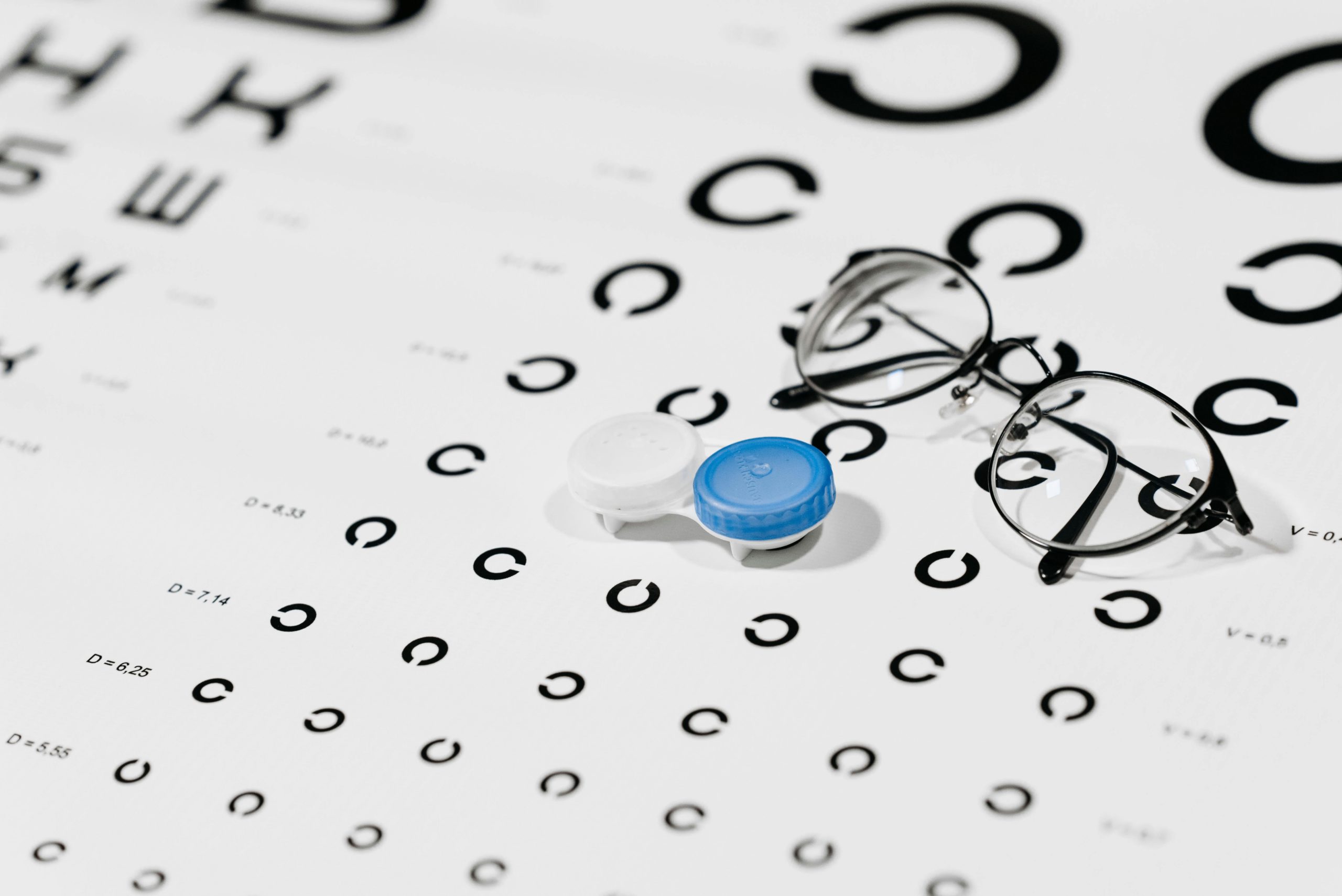
Good vision is one of those things people often take for granted until something feels off. Whether it is dryness after a long day, blurry moments during reading, or tired eyes from scrolling too much, most of these issues come from everyday habits. The good news is that many of them can be managed with simple lifestyle changes.
From what you eat to how long you stare at your phone, there are easy ways to support clearer and more comfortable vision. This guide explores the essentials of good eye care, why healthy routines matter, and what practical adjustments can help people maintain sharper vision for the long term.
How Does Your Diet Influence the Health of Your Eyes?
What you eat affects almost every part of your body, including your vision. The eyes rely on vitamins, minerals, and antioxidants to function properly and stay protected from strain and age-related changes. When these nutrients are lacking, people may notice fatigue, dryness, or slower recovery from irritations.
Which Nutrients Play the Biggest Roles?
A balanced diet gives your eyes the building blocks they need. Some of the most important nutrients include:
- Vitamin A for keeping the cornea healthy and supporting low-light vision
- Omega-3 fatty acids for reducing dryness and inflammation
- Vitamin C and E for protecting eye cells from environmental stress
- Zinc for supporting the retina and helping with night vision
What Everyday Foods Can Improve Eye Health?
You do not need complicated meal plans to support your eyes. Simple choices go a long way. Try adding foods like
- Leafy greens such as spinach and kale
- Citrus fruits
- Nuts and seeds
- Oily fish like salmon and mackerel
- Sweet potatoes and carrots
These foods help strengthen the structures of the eye and can even reduce the risk of long-term issues.
Why Does Screen Time Affect Your Eyes So Strongly?
Screens have become part of nearly everything people do, from work to entertainment. Although not harmful by themselves, spending long hours staring at screens can tire the eyes. This situation usually happens because people blink less while focusing on digital content, leading to dryness, irritation, and temporary blurry vision.
What Is Digital Eye Strain?
Digital eye strain is very common, especially for those who spend several hours a day on computers or smartphones. Symptoms often include:
- Tired or heavy eyes
- Mild headaches
- Difficulty focusing after long sessions
- A burning or gritty sensation
These symptoms usually appear gradually, which makes them easy to ignore until they become too uncomfortable to overlook.
How Can You Use Screens More Comfortably?
A few simple habits can make a noticeable difference in how your eyes feel:
- Follow the 20-20-20 rule by looking at something 20 feet away for 20 seconds every 20 minutes
- Keep screens slightly below eye level
- Adjust brightness so it matches your environment
- Increase the font size to reduce squinting
- Use good lighting to avoid harsh reflections
These habits help your eyes relax throughout the day.
How Important Are Regular Eye Checkups?
Routine eye exams are one of the easiest ways to maintain excellent vision over time. Even if you feel your eyesight is fine, subtle changes can develop slowly.
What Problems Can Early Checkups Detect?
Eye tests can identify early signs of:
- Short-sightedness or long-sightedness
- Astigmatism
- Age-related conditions like cataracts or macular changes
- Dry eye syndrome
- Eye pressure issues
Early detection allows for better treatment and prevents many conditions from becoming more serious.
How Often Should You Get Your Eyes Tested?
Most adults benefit from an eye check every one to two years. People who use screens heavily, wear corrective eyewear, or have a family history of eye problems may need more frequent visits.
What Daily Habits Help Keep Your Eyes Comfortable?
Small lifestyle decisions can make a difference in overall eye comfort. While none of them replace medical care, they help reduce strain and keep the eyes refreshed throughout the day.
Which Routine Habits Offer the Most Relief?
Consider incorporating habits such as:
- Staying hydrated, since dryness is often linked to dehydration
- Taking short breaks during tasks that require long focus
- Spending time outdoors helps your eyes shift between near and far distances
- Wearing UV-protective sunglasses to protect against sunlight exposure
These small steps help your eyes work less hard and recover more easily.
How Can You Reduce Dryness and Irritation During Busy Days?
Dryness is one of the most common eye complaints today. It can happen at work, at home, or even during travel. Screens, air conditioners, long hours indoors, and lack of blinking all contribute to this issue.
What Adjustments Can Help Prevent Dry Eyes?
A few everyday habits can significantly reduce irritation:
- Place your computer at the correct distance
- Use a humidifier in very dry spaces
- Avoid pointing fans or air conditioners toward your face
- Blink intentionally when focusing on detailed tasks
For those who use vision correction tools, choosing suitable products can also help manage dryness. Many people find comfort in switching to options specifically designed to retain moisture. For example, certain contact lenses for dry eyes can provide relief during long days by keeping the eyes hydrated and reducing irritation.
How Can You Combine Food, Lifestyle, and Screen Habits for Better Vision?
Eye health does not depend on one single factor. It comes from a mix of nutrition, daily routines, and mindful tech use. These elements support each other, creating a healthier environment for your eyes.
What Does a Balanced Eye Care Routine Look Like?
A simple, sustainable routine might include:
- Eating nutrient-rich meals
- Keeping screens at a healthy distance
- Taking breaks throughout the day
- Staying hydrated
- Visiting an eye specialist regularly
- Using appropriate eyewear and protective tools
This holistic approach helps you manage symptoms before they become long-lasting.
Conclusion
Protecting your eyes does not require complicated steps. Small, steady habits make the most significant difference. Eating well, reducing strain from screens, and noticing early signs of discomfort all help maintain clearer and more comfortable vision. With the right routines, anyone can support stronger eye health and enjoy better comfort in everyday life.
 News / Union debates officer resigns after misconduct investigation9 March 2026
 News / Man found guilty of murdering Cambridge language school student10 March 2026
 Features / The hidden harms of college stereotypes 10 March 2026
 News / King’s Affair adds charge for half-off workers 11 March 2026
 News / King’s faces backlash over formal ticket policy 7 March 2026
 Science / ‘Willing to be nerdy and have a nice time’: behind Cambridge’s science comedy scene12 March 2026
- News / King’s Affair adds charge for half-off workers 11 March 2026
 Theatre / A stage of our own11 March 2026
 Film & TV / Cultural Transfusion in The Secret Agent11 March 2026
 Comment / ‘Don’t worry, I barely revised’: the effort behind performative effortlessness11 March 2026
