
Commercial Feature
Exploring the Spiritual Legacy of the Camino de Santiago Through Its Historic Buildings and Public Spaces
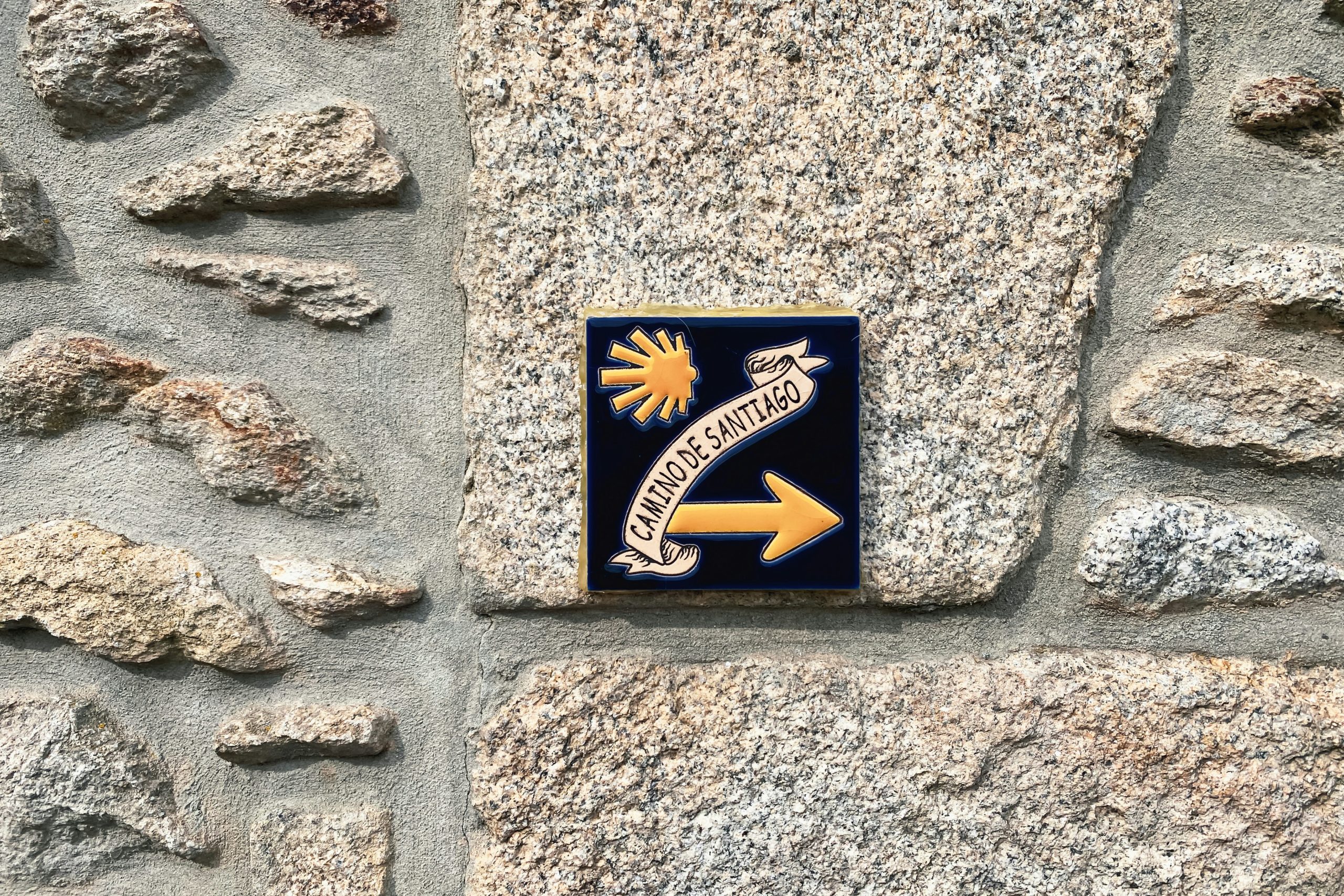
The pilgrims thronged the Camino de Santiago, a walking path, throughout centuries, but not only to reach a particular destination, but also because the pilgrimage was a religious and cultural experience. The Camino is often referred to as the great inner journey of Europe, but its meandering paths are not the only things that shape it as its sacred architecture and community areas do. In ancient monasteries, village gardens and community centers, the path indicates how spiritual tradition is enshrined in both monumental and modest buildings all along the path.
Why is the Architecture of the Camino Important in Spiritual Travel?
The architecture of the Camino de Santiago ia living reminder of faith, thought and common purpose. The route is covered with historic churches, Romanesque chapels, Gothic cathedrals, and isolated monasteries that can provide pilgrims with concrete links to centuries of worship. These spiritual heritage buildings were not constructed as worship places only but as beacons of hope and hospitality to the weary travelers.
Each stone carries a story. The Cathedral of Santiago de Compostela which is the ultimate destination of most pilgrims is an epic representation of spiritual completion. However, smaller chapels in the way can have more emotional effect. Their simplicity promotes silence, prayer and introspection making architecture a silent guide towards inner transformation.
All these are spaces of worship making what can be termed as spiritual heritage buildings where physicality collides with eternal ideologies. To a contemporary traveler, strolling among them is to relate history as something not far away, but close by.
The Pilgrim Inner Journey is supported in the Pilgrimage by how the infrastructure serves as a support system to enhance the pilgrimage.
The Camino is formed by its useful and social infrastructure beyond religious structures. Hostels, fountains, bridges, village squares, and resting places of pilgrims are also quite crucial in the spiritual experience. Such spaces promote human connectedness, introspection, and collective fortitude.
Parks and squares will provide time of rest during the days of walking, reminding pilgrims to stop, air out and reconnect with each other. Albergues and community centers turn into temporary shelters where friends are made out of strangers sharing stories of cultures and continents. This social design makes individualism into communal exploration.
These practical spaces complement spirituality instead of taking their attention away since they provide secure and accessible spaces allowing pilgrims to concentrate on their emotional and spiritual development without the logistical fear.
Why Knowing the Camino Villages Enriches the Experience.
The cultural setting of Camino villages is a necessity in seeing the deeper meaning of the pilgrimage. The rhythm of each village, customs, and style of architecture is developed due to the centuries of hospitable guests. Through flower-bedded court yards to paved roads and shaded gardens, these environments show the ways in which daily living is connected with spiritual practice.
A visit to these villages assists pilgrims in understanding how faith, culture and community have been developing mutually. It also promotes the respect of local traditions that maintain the legacy of the Camino in the contemporary society.
Another useful source to learn about these villages and their cultural meaning is through the site which offers information regarding the routes, heritage and local context to enable pilgrims to experience the Camino not only through the physical walk. Their map of Camino cities gives a better explanation on how the built spaces and spiritual life cannot be separated in the track.
A Travelling Beyond the Physical.
Finally, Camino de Santiago teaches that spirituality does not just happen within churches only. It is in gardens with pilgrims sleeping, in bridges that pilgrims pass, in village squares whose laughter follows silent long days. Through the experience of sacred space and civic space, contemporary pilgrims learn that the true legacy of the Camino is found in how it has been used to bring the architecture, culture and interior development together in a single and transformative experience.
The Camino is not a simple walk through the scenery- but history, religion, and common humanity.

 News / Missing Sidgwick sculpture spotted in Oxford 1 April 2026
 News / Downing law society banned from holding formals in College for a year31 March 2026
 Features / Hyper-productive or healthy? The rise of wellness culture at Cambridge1 April 2026
 News / Homerton plans to convert former Labour Club into student accom1 April 2026
 News / International students complain of ‘impossible choice’ under Cambridge travel disruption policy28 March 2026
 News / Record-breaking £190 million donation will fund new Cambridge School of Government2 April 2026
 Interviews / Cambridge SU presidents on divestment, engagement and the role’s challenges1 April 2026
- Features / Hyper-productive or healthy? The rise of wellness culture at Cambridge1 April 2026
 Film & TV / Awards season goes to the dogs1 April 2026
- News / Homerton plans to convert former Labour Club into student accom1 April 2026
