
Commercial Feature
Casablanca Sees Growing Demand for Self-Drive Travel Options
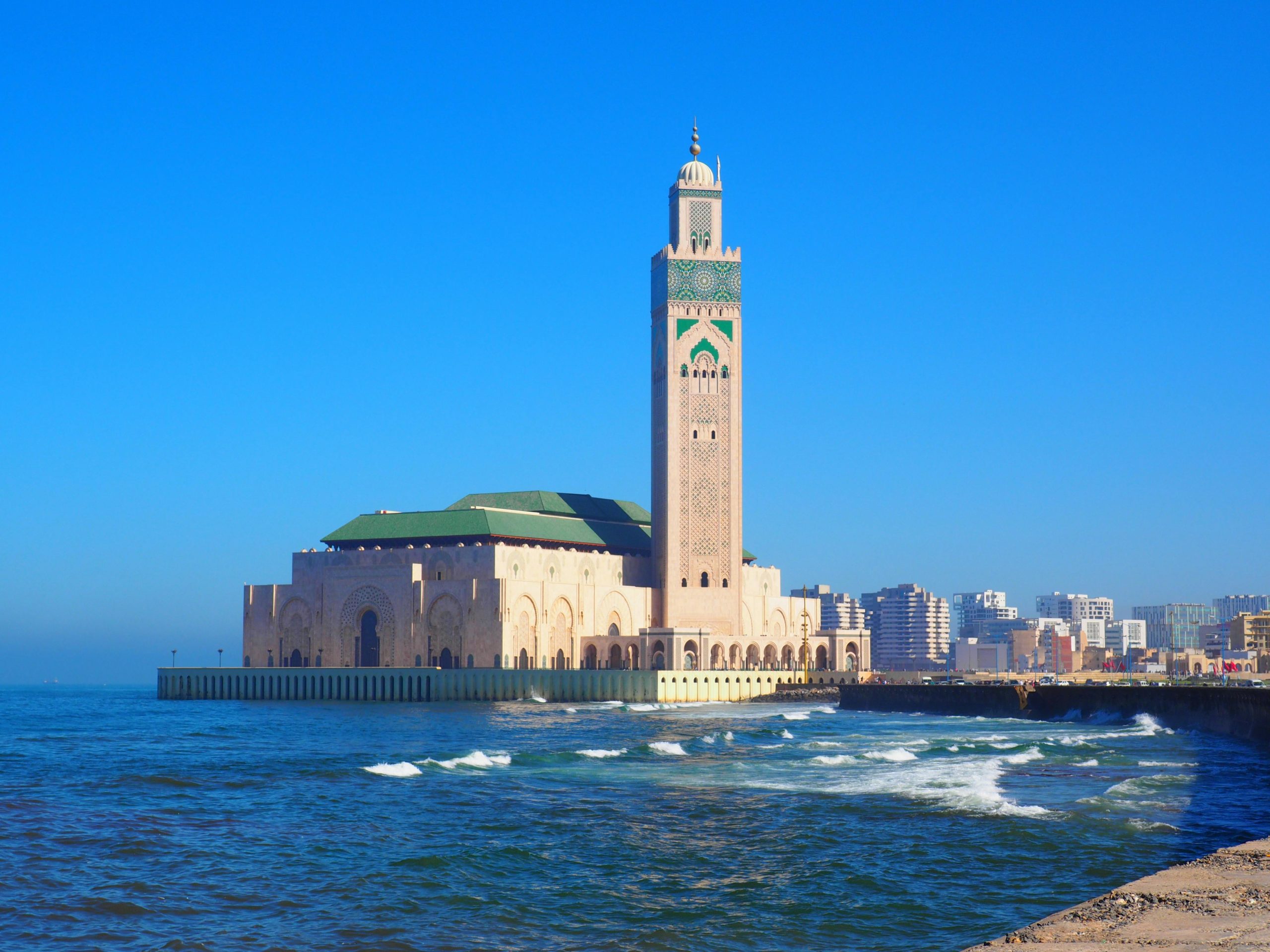
Casablanca has long been known as Morocco’s economic powerhouse, a coastal metropolis where modern infrastructure meets historic architecture and Atlantic Ocean views. While cities such as Marrakech and Fes traditionally dominate the country’s tourism spotlight, Casablanca is gradually gaining attention for a different reason. Visitors are beginning to experience the city in new ways, particularly through independent travel that allows them to explore at their own pace.
Travel industry observers note that a shift is taking place in how international visitors move around Morocco’s largest city. Instead of relying solely on organized tours or hotel arranged transportation, travelers increasingly prefer flexibility. Casablanca’s expanding road networks, improving infrastructure, and growing tourism sector are encouraging many visitors to look for more personal and adaptable ways to explore the city.
This change is visible in travel booking patterns as well. Many visitors now choose to rent a car Casablanca shortly after arriving in the city, allowing them to move freely between districts and explore destinations beyond the usual tourist routes. What was once a business oriented city known mainly for commerce is slowly transforming into a destination that rewards exploration and curiosity.
Casablanca’s Urban Landscape Encourages Mobility
Casablanca is a city of scale. Unlike Morocco’s older imperial cities where historic centers concentrate most attractions within walkable areas, Casablanca spreads across wide districts and coastal neighborhoods. Business towers, residential zones, historic quarters, and seaside promenades are distributed across a large metropolitan area.
This layout has a direct impact on how visitors experience the city. Landmarks such as the Hassan II Mosque, the Habous Quarter, and the Ain Diab Corniche are located in different parts of Casablanca. While public transport options exist, navigating between these locations can sometimes require multiple connections or long taxi rides.
Travelers who prefer a more flexible schedule often find independent mobility more convenient. Having the freedom to move across the city without waiting for transportation allows visitors to explore Casablanca in a more spontaneous and relaxed way.
The Hassan II Mosque Remains a Major Attraction
At the center of Casablanca’s tourism identity stands the Hassan II Mosque. Built partly over the Atlantic Ocean, the mosque’s towering minaret dominates the city skyline and remains one of the most recognizable landmarks in North Africa.
The mosque attracts thousands of visitors each year who come to admire its detailed craftsmanship and impressive scale. Its location along the oceanfront also provides stunning views of the Atlantic coastline. Many travelers choose to spend additional time exploring the surrounding waterfront area after visiting the mosque.
Reaching the site comfortably is one of the reasons independent travel is becoming more popular. Visitors often prefer to arrive early in the morning or later in the afternoon when the lighting over the ocean creates dramatic scenery.
A Coastal City with Expanding Appeal
Casablanca’s Atlantic coastline has become an increasingly important part of its tourism identity. The Ain Diab Corniche stretches along the ocean and has developed into a lively district filled with restaurants, cafés, beach clubs, and walking promenades.
During the evenings, the Corniche transforms into one of the city’s most vibrant social spaces. Locals and visitors gather to watch the sunset, enjoy the sea breeze, and experience Casablanca’s nightlife along the coast.
Travel experts note that coastal drives have become particularly appealing to visitors who want to experience the city beyond its historic landmarks. The ocean views combined with Casablanca’s modern skyline create a distinctive atmosphere that many travelers find memorable.
Casablanca’s Historic Architecture Draws Attention
Beyond its coastline and major landmarks, Casablanca also holds one of the world’s most impressive collections of Art Deco architecture. Buildings constructed during the early twentieth century display curved facades, ornate balconies, and decorative details that reflect the city’s multicultural past.
Several districts in the city center feature these architectural treasures. Restoration initiatives have begun to highlight this heritage, attracting architecture enthusiasts and cultural travelers interested in exploring Casablanca’s urban history.
Because these buildings are scattered across different neighborhoods, travelers often prefer flexible transportation options that allow them to move easily between locations.
Casablanca as a Gateway to Other Destinations
Another factor contributing to the popularity of independent travel is Casablanca’s strategic location. The city sits at the center of Morocco’s northern Atlantic coast and connects easily to other major destinations.
Rabat, the country’s capital, lies just over an hour to the north. The drive between Casablanca and Rabat follows a modern highway that allows travelers to move quickly between the two cities while enjoying views of the coastal landscape.
Further south, the historic port city of El Jadida offers Portuguese influenced architecture and quieter seaside scenery. Many travelers combine visits to these cities with time in Casablanca, creating short regional road trips during their stay.
A Global Trend Toward Independent Exploration
Casablanca’s growing interest in self directed travel reflects a broader trend within international tourism. Around the world, travelers are increasingly prioritizing flexibility and personal discovery over rigid travel itineraries.
Urban destinations in particular benefit from this shift because independent travelers often spend more time exploring local neighborhoods, markets, and cultural districts that may not appear in traditional tour programs.
Casablanca’s diversity makes it well suited for this style of travel. The city blends historic souks, modern shopping districts, coastal promenades, and residential areas that reveal the daily rhythm of Moroccan life.
Discovering the City Through Movement
For many visitors, exploring Casablanca becomes more rewarding when they are able to move between districts freely. Travelers who spend time using a vehicle during their stay often find themselves discovering parts of the city that typical travel guides rarely highlight.
A short drive may lead to a quiet beachfront cafe, a neighborhood bakery filled with locals, or a lively market street tucked away from major tourist areas. These moments of discovery often become the most memorable parts of a trip.
Casablanca may not yet compete with Morocco’s historic imperial cities in terms of traditional tourism appeal. Yet its modern energy, coastal setting, and expanding infrastructure are gradually reshaping how travelers experience the city.
As tourism patterns evolve, Casablanca’s roads and waterfront boulevards are becoming pathways for a new kind of exploration. Visitors are beginning to see the city not simply as a transit hub but as a destination where independence and curiosity reveal a deeper side of Morocco’s largest metropolis.
 News / Simon Goldhill resigns following sexual misconduct investigation16 June 2026
 Comment / Exercise, academia, and the Cambridge addiction to both17 June 2026
 Theatre / A celebration of Queer Love in sacred spaces: Romeo and Juliet in Peterhouse Chapel16 June 2026
 Lifestyle / Breaking no contact…hours15 June 2026
 Comment / My favourite dance floor is the one with my friends on it15 June 2026
 News / Caius to begin antisemitism inquiry after Nazi symbol carved into bench18 June 2026
 Film & TV / Gen Z, FilmTok and the A24 problem17 June 2026
 Features / Are the Footlights getting dimmer?17 June 2026
- Comment / Exercise, academia, and the Cambridge addiction to both17 June 2026
 Arts / The art of the unfinished17 June 2026
