
Commercial Feature
A Simple Guide to Common MDF Applications
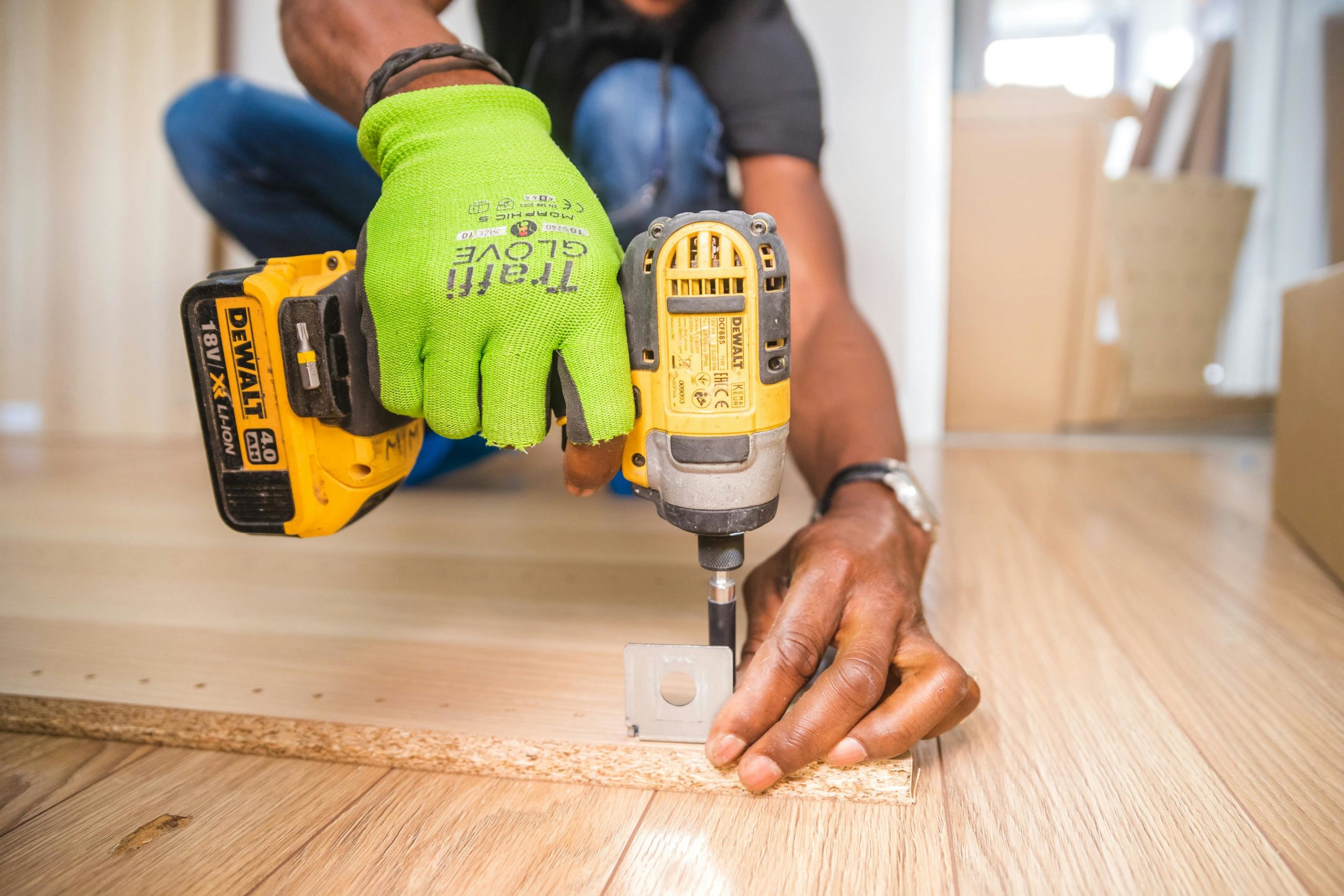
Medium-density fibreboard, better known as MDF, is one of the most widely used engineered wood products in interior projects and furniture making. Its smooth surface, consistent density, and affordability make it a practical option for both professionals and DIY users. From cabinetry to decorative details, MDF can be found in homes, offices, and retail spaces everywhere.
This guide explains the most common MDF applications, why it works so well in each case, and how choosing the right preparation can save time and effort during installation.
What Makes MDF So Popular?
MDF is made by breaking down hardwood and softwood fibres, combining them with resin, and pressing them into dense panels. This process results in boards that are flat, stable, and free from knots or grain patterns.
Because of its uniform structure, MDF is easy to cut, drill, and shape. It also takes paint exceptionally well, which is why it’s often used where a clean, modern finish is required. While it’s not designed for heavy outdoor use, MDF performs very well in dry interior environments.
MDF in Furniture Making
One of the most common uses of MDF is in furniture production. Wardrobes, bookcases, TV units, and shelving systems often rely on MDF panels for their main structure or visible surfaces.
Furniture makers appreciate MDF because it allows for precise measurements and repeatable results. When panels are prepared accurately, assembly becomes quicker and cleaner. Many workshops now order MDF cut to size to reduce waste and avoid time-consuming cutting on site. This approach also helps maintain consistency across multiple pieces of furniture.
Painted furniture, in particular, benefits from MDF’s smooth surface, which allows for an even finish without the texture of natural wood grain showing through.
Cabinetry and Storage Solutions
Kitchen, bathroom, and utility cabinets are another area where MDF is widely used. Cabinet carcasses, doors, and drawer fronts are often made from MDF, especially when a painted or wrapped finish is planned.
Using MDF cut to size for cabinetry helps ensure doors align properly and drawers run smoothly. Accurate sizing is essential in fitted spaces where even small measurement errors can cause issues during installation. MDF’s stability also means it’s less likely to warp indoors compared to some solid wood options.
For areas with higher moisture, such as bathrooms, moisture-resistant MDF is commonly chosen to provide added durability.
Interior Wall Panelling and Decorative Features
MDF is increasingly popular for decorative interior elements. Wall panelling, feature walls, and bespoke trims are often created using MDF because it can be shaped into detailed profiles with clean edges.
From shaker-style panelling to modern slatted designs, MDF offers flexibility in both traditional and contemporary interiors. Many homeowners and designers choose MDF cut to size for these projects to ensure panels fit perfectly from floor to ceiling or wall to wall.
Once installed, MDF panels can be painted in any colour, making it easy to match existing décor or update a room’s look in the future.
Doors, Skirting, and Architraves
Interior doors and finishing details such as skirting boards and architraves are also common MDF applications. These elements benefit from MDF’s smooth surface and ability to hold crisp, sharp profiles.
Painted interior doors often use MDF skins over a solid or engineered core. This combination provides a refined appearance while keeping costs manageable. For trims and mouldings, MDF allows for detailed designs that would be more expensive to achieve with solid timber.
Ordering MDF cut to size for these components helps speed up installation and ensures a professional finish.
DIY and Home Improvement Projects
MDF is a favourite material for DIY projects due to its affordability and ease of use. From custom shelving to radiator covers and window seats, MDF provides a reliable base for a wide range of home improvements.
For DIY users without access to professional tools, it can be especially helpful to buy MDF cut to size rather than attempting precise cuts at home. This reduces the risk of mistakes and makes projects more approachable, even for beginners.
With proper sealing and painting, MDF DIY projects can look just as polished as professionally made items.
Things to Consider When Using MDF
While MDF is versatile, there are a few important considerations. It is heavier than plywood of the same thickness, so proper support is essential, especially for shelves. Edges should be sealed before painting to prevent excessive paint absorption, and standard MDF should be kept away from prolonged moisture exposure.
Choosing the right thickness and finish for your project will help ensure long-lasting results.
Final Thoughts
MDF continues to be a go-to material for furniture, cabinetry, and interior features thanks to its consistency and adaptability. Whether used for large-scale fitted furniture or smaller decorative details, it offers a dependable solution for many interior applications.
By understanding where MDF works best and planning projects carefully, you can achieve clean, precise results that suit both practical needs and visual preferences.
 Sport / The imperfect privilege of Cambridge sport12 June 2026
 News / News in Brief: prizes, planning proposals, and pottery14 June 2026
 Lifestyle / Blind Date: ‘It was like the romantic version of a Saw trap’14 June 2026
 Comment / Top of the slops: the competitiveness of college dining4 June 2026
 Lifestyle / Confessions of a May Ball crasher12 June 2026
 Theatre / A celebration of Queer Love in sacred spaces: Romeo and Juliet in Peterhouse Chapel16 June 2026
 Music / ‘Returning again and again’ to the Bateman room16 June 2026
 News / Simon Goldhill resigns following sexual misconduct investigation16 June 2026
 Lifestyle / Breaking no contact…hours15 June 2026
 Comment / My favourite dance floor is the one with my friends on it15 June 2026
