Why can’t I stop rewatching my favourite TV show?
Ollie Godkin explores the science behind comfort shows
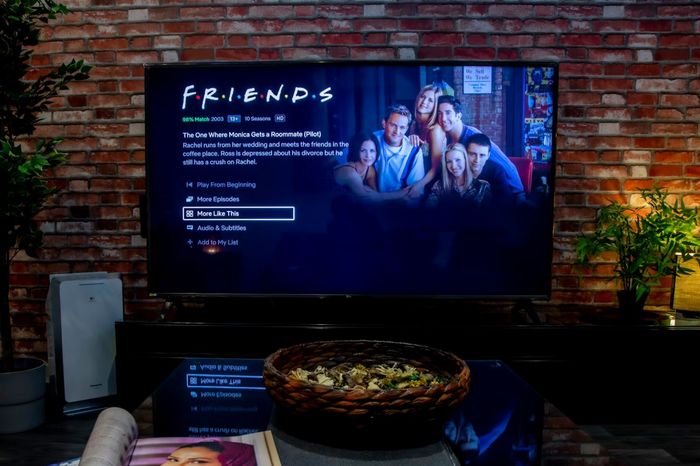
Ever since the pandemic, there has been a resurgence in ‘the rewatch’: going back to your favourite TV shows and watching for the umpteenth time, sometimes accompanied by a whole podcast dedicated to rewatching. In an age of unparalleled access to endless new content on streaming platforms, people have been more inclined to repeatedly return to familiar series, turning to the relatable comfort of six 20-somethings in NYC, or the hijinks of the Dunder Mifflin Paper Company. So why are people, including students, revisiting the same shows over and over again?
In a time of endless new content across a multitude of streaming platforms, finding a good new show to watch nowadays is unnecessarily irritating. Circumventing countless advertisements and needless pop-ups of Netflix’s games, you'll end up settling for a generic sci-fi show starring Stephen Graham or Toby Jones, probably, or an unwanted spinoff of a classic drama. Not only is finding a good new show stressful, but the prospect of starting a series and it being unenjoyable, or different from its trailers, is a major factor in decision making. Rewatching old favourites is a much easier process, and minimises risk, guaranteeing an entertaining time.
“Finding a good new show to watch nowadays is unnecessarily irritating”
This here is the crux of why people return time and again to watching Friends, or Breaking Bad – the familiarity. In stressful times – e.g. during Covid, or a Cambridge term – our brains are seeking an escape from anxiety, and crave familiarity and control too. Comfort TV shows, regardless of their genre, provide the perfect familiar environment to unwind and briefly dispel the stresses of the day. We can choose to focus on them entirely, or, more often than not, have them on in the background while sending emails or eating, the mere sound of the voices of Jerry Seinfeld or Matthew Perry enough to comfort our overworked brains.
This is more than just mere speculation and anecdotes – research by the University of Buffalo done in 2013 has shown that by immersing ourselves in a familiar fictional world and the relationships within it can restore our sense of self-control after a period of sadness or anger. Because you already know how the show plays out, there are no unexpected surprises and twists: an episode thus becomes a guaranteed form of entertainment.
This comfort is linked to what is termed the ‘mere exposure effect’, whereby people gradually prefer things they have been exposed to in the past. For long-running TV shows like Friends with 236 episodes, the sheer amount of time previously spent watching likely also contributes to people’s tendency to rewatch.
But is the rewatch actually as beneficial and healthy as this? While watching a 25-minute episode of The Office over lunch every day or so is unlikely to cause any long-lasting consequences (aside from an in-depth understanding of the best pranks for your future colleagues), watching the same shows over and over again as a coping mechanism for stress is not ideal. Rewatching comfort shows can quickly stray from relaxing entertainment to avoiding dealing with problems, compounding stress, which in a hectic Cambridge term is precisely the opposite of why people turn to a rewatch.
“Rewatching comfort shows can quickly stray from relaxing entertainment to avoiding dealing with problems”
Furthermore, I can’t help but wonder at the future of new TV shows, as the rewatching trend has only solidified in the past five years. Yes, new shows like Pluribus and Severance have generated buzz recently, and Stranger Things will probably go on to be many people’s comfort show once it concludes in January, but what are the Friends or Sopranos of the last decade? TV shows nowadays are all about bold new concepts (Silo), adapting video games (Fallout) or spinoffs of movies (Rings of Power), all set in far-flung fictional worlds. A successful show that focuses on relatable real-world characters over numerous seasons is sorely lacking in the current streaming-service era of TV, perhaps due to how dominant these shows already are; due to the rewatch.
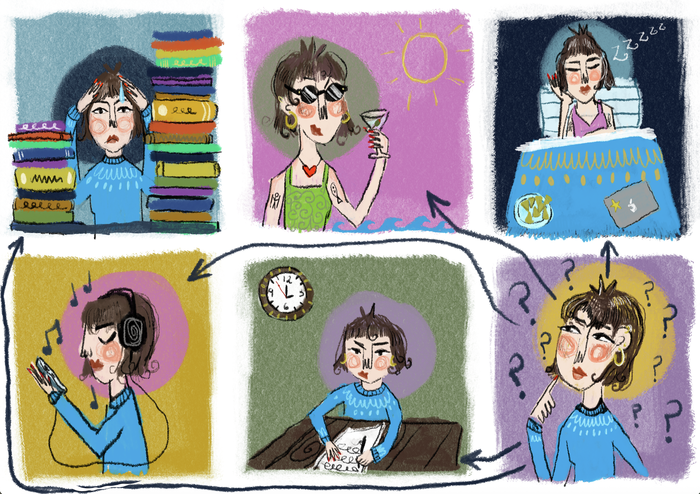
The rise of binge-watching culture concurrently with the rewatch has changed the TV landscape, with binge rewatching becoming more and more commonplace, new shows releasing weekly episodes require major hype and backing to break through.
I worry that, while a rewatch is good every now and then in times of stress, this trend is done at the expense of new shows. Just watching the same things over and over again can only lead to negative watching habits, at the expense of the innovation of the TV industry. That being said, maybe Friends or The Office will become so dated in the years to come as society evolves, that the generation after us cannot relate to them in the same way we do, and the most unexpected programmes will be their comfort shows. Maybe Squid Game or Chernobyl?
 Comment / Top of the slops: the competitiveness of college dining4 June 2026
 Interviews / What’s the story behind Pages coffee house?8 June 2026
 News / News in Brief: Cambridge crowns, council confirmations, and competitive cricket8 June 2026
 Comment / The Cambridge drift1 June 2026
 News / Cambridge researchers produce ‘world-first’ AI vaccine6 June 2026
 Arts / Don’t rush me – I’m reading!9 June 2026
 Lifestyle / Don’t Cry at Me, Argentina – a next-year abroad story8 June 2026
- News / News in Brief: Cambridge crowns, council confirmations, and competitive cricket8 June 2026
 Science / Failure is the foundation of science8 June 2026
 Fashion / The hidden gems of formal fashion8 June 2026