Cambridge’s academic staff should not be sacrificed in the pursuit of ‘talent acquisition’
Duncan Paterson argues that the University’s leadership priorities are neglecting the people that are foundational to its continuance
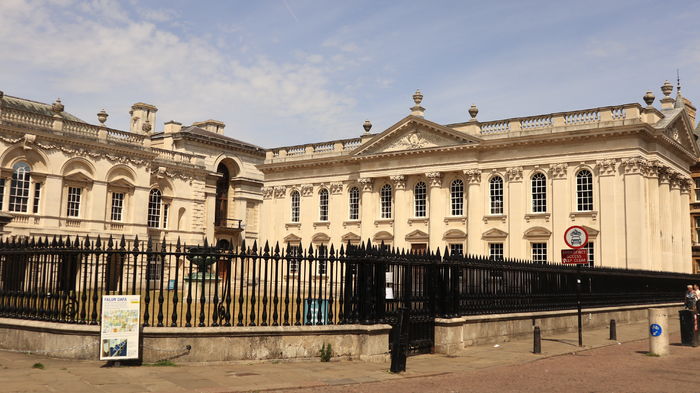
As reported by Varsity, Cambridge Vice-Chancellor Deborah Prentice was overtaken as the highest-earning Russell Group vice-chancellor in the country last year, with her overall pay decreasing from £577,000 to £507,000. Irene Tracey of Oxford took the title from her, earning a neat £666,000 in the past year. Overall, we are seeing a marked increase of vice-chancellor pay above inflation; the median base salary for university vice-chancellors across the United Kingdom has increased to £350,000, whilst in the same period Russell Group universities laid off 7,000 staff between them.
This comes during a difficult few years in the British education economy; the Labour government, looking down the cracks in the sofa, have lowered the repayment threshold for student loans down to £25,000 for students who started a degree either during or after 2023, as well as extending the repayment period from thirty to forty years after graduation. The moral of the story is, however, that finances in education are coming under more intense scrutiny than ever before.
“Finances in education are coming under more intense scrutiny than ever before”
Subsequently, the question we are asking is, are vice-chancellors worth their pay, whilst universities are simultaneously trying to navigate these treacherous economic conditions? Of course, Oxbridge operates on a different level financially, compared to most academic institutions; high up in the stratosphere of billion-pound endowments and hundreds of acres of property assets, Oxford and Cambridge compete for who put the most number of zeroes on the bottom line of the financial statements. As such, when there is this much money on the line, it’s important to clarify what it is that vice-chancellors actually do.
They are, effectively, the chief executive of the university, the principal academic and administrative officer who provides academic and administrative leadership to the whole University" whilst “securing a financial base sufficient to allow the delivery of the University’s mission, aims and objectives.” Prentice is at the helm of an eight-hundred year-old academic institution, and her responsibility is making sure that it is still around for many years to come. There is an argument to say that a difficult job correspondingly deserves significant monetary recompense, not only to attract suitable candidates but also “retain high-performing leaders” that are capable of weathering the unprecedented challenges facing universities.
“The national living wage is around £28,000 per annum before tax. That is 18 times less than Prentice’s annual wage”
However, the recent paltry pay increase offer of 1.4% for University and College Union members (the UK’s largest trade union for staff in post-secondary education) encourages us to now ask a slightly different question; are vice-chancellors worth their pay, at the expense of other lower-paid jobs in higher education? Since 2021, the university has been accredited as a Living Wage employer, and as such University employees at the bottom end of the pay scale, living and working in one of the most expensive places to live in the United Kingdom, outside of London, are guaranteed the national living wage of £13.45 per hour, or around £28,000 per annum before tax. To put this into perspective, that is eighteen times less than Prentice’s annual wage. Of course, this is not as stark a difference as might be seen in other universities or businesses operating with similar levels of wealth, but it feels different at Cambridge, where its obligations and intentions as an institution are centred around furthering the pinnacle of education, academic development and research. Of course, this requires investing in people and the perceived value that they would bring to the university, and Prentice is managing very difficult and volatile responsibilities, but it feels like they are identifying too much value at the top, not distributing it throughout.
“Try operating a University without professors”
These financial difficulties have been a long time coming; in 2023, Prentice herself warned that the University is risking “losing unbelievable talent” as a consequence of the drop-off in funding for PhDs, reducing the numbers of academics entering the workplace. For those who do go on to become academics, the proposed 1.4% pay increase offer comes nowhere near matching current inflation, meaning academics are still losing money in real terms, whilst the University boasts a comprehensive income increase of almost £100million last year, significantly above inflation. For an institution that is supposed to be operating cautiously in the current financial climate, the University seems to be rewarding those at the top whilst forgetting or disregarding those who prop it up. Try operating a University without professors, teaching staff, administrative employees or maintenance staff.
It seems quite disingenuous to argue that the University’s long-term strategy, as articulated in their 2024-2027 “People Strategy” report, is a “review of current pay structures and pay policies” and “proactive action to further reduce pay gaps” whilst making many redundant and rewarding their own through the excuse of “talent attraction” and “reward and recognition”.
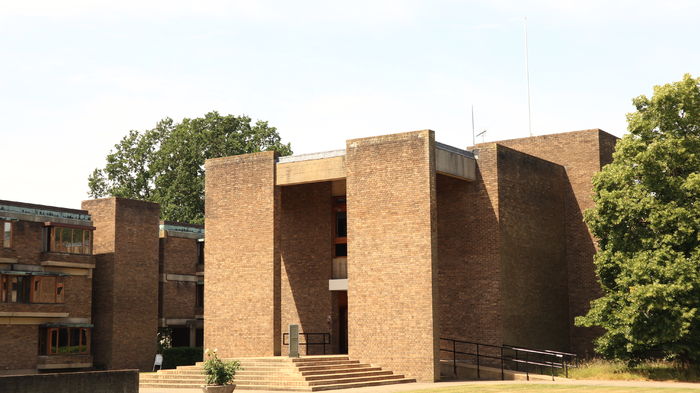
For students reading this who believe that the University’s leadership are making the correct decision in increasing the highest incomes whilst not putting the same effort into supporting academics and staff, the backbone of the university, it impacts us too. Every time they choose to invest in the leadership talent economy, they turn away potentially brilliant academics who simply cannot justify the diminishing real wages offered by the University coupled with the high cost of living. Logically, if they applied the same idea of “talent attraction and retention” to their staff, not just leadership, they would make wages sustainable. The University cannot maintain itself in the long term whilst neglecting the people that are its foundations.
 Comment / The Cambridge drift1 June 2026
 Theatre / CUMT’s The Wind in the Willows brings a classic to life 31 May 2026
 Features / The language of optimisation and the architecture of merit30 May 2026
 News / Venue cancels Cambridge talk by right-wing commentator Matt Goodwin after backlash28 May 2026
 News / News in Brief: Corpus climbing, climate cash, and commendable contributions1 June 2026
 Arts / To the letter2 June 2026
 News / Cambridge psychologist warns against blanket social media ban for under-16s1 June 2026
 Sport / Caius beat Magdalene in last-minute thriller to clinch mixed netball Cuppers final1 June 2026
- News / News in Brief: Corpus climbing, climate cash, and commendable contributions1 June 2026
- Comment / The Cambridge drift1 June 2026