Fine, you’re more stressed than I am – you win?
Ben Lubitsh argues that our seemingly superficial need to ‘out-stress’ our peers should be scrutinised
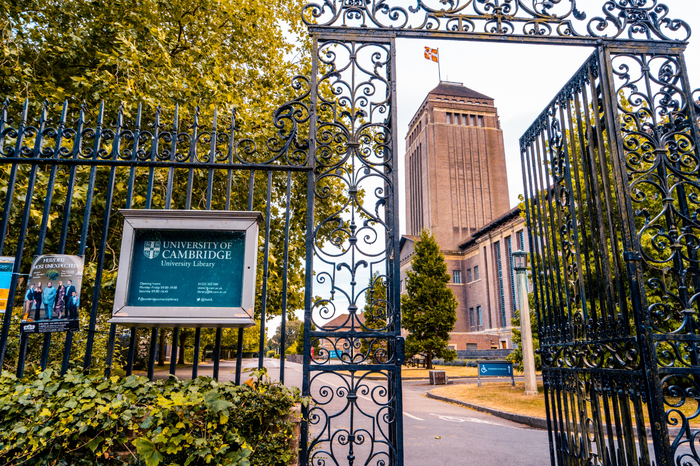
At 2:00 a.m. in a college library, where the air is polluted by Red Bulls and overpriced meal deals, students rarely exchange pleasantries. You’d think at least there would be signs of solidarity, perhaps a shared sigh over the weight of the week. But no, instead what occurs is some strange ‘stress-off’ that the confines of Cambridge have not only normalised but encouraged.
“I’ve got an essay due tomorrow and I’m on three hours of sleep,” one student complains. What’s offered in return is not sympathy, but a counter-attack. “At least you’ve slept – I haven’t even started my lab report and I’ve been here since 10.” The first student then accepts their inferiority and inadequacy: “Fine, you’re more stressed than I am – erm … you win, I guess.”
This encounter, while fictional, is not an anomaly; it is the standard currency of social interaction at Cambridge. We are living in a culture where stress is no longer a physiological warning sign; it is a status symbol. Somewhere between the ancient stone walls and the relentless intensity of an eight-week term, we have collectively decided that the level of one’s cortisol is directly proportional to the level of one’s academic worth. In this twisted ecosystem, to be ‘fine’ is to be lazy; to be ‘on top of things’ is to be suspicious.
“Being overwhelmed isn’t impressive or cool”
This phenomenon has turned the negative emotion of stress into a prized state of discipline. When we boast about pulling all-nighters or skipping meals to finish a problem sheet, we aren’t actually complaining – we are performing. We are signalling to our peers (and perhaps more desperately to ourselves) that we are truly ‘in the trenches’, earning our place at this institution through a ritual of self-immolation. We have fetishised ‘the grind’ to such an extent that we have created a meritocracy of misery. If you aren’t visible in your suffering, the culture suggests, you aren’t pushing yourself hard enough.
This environment is fundamentally toxic for the student who genuinely struggles with the workload. And this student can be all of us, at any time. Depending on context, that ‘short’ reading list can be an insurmountable mountain, or that ‘easy’ problem sheet can be complete gibberish.
“If the prize for winning is simply being the most burnt-out person in the room, then I’m happy to concede the title”
This culture of competitive exhaustion is devastating. When everyone around you is wearing their burnout like a badge of honour, the student who is actually drowning feels they have no right to reach for a lifejacket. They assume their struggle is just the entry price for being here, rather than a sign that they need support. By romanticising the ‘grind’ to the level that we have, we effectively silence those who are reaching their breaking point, transforming a serious mental health concern into a ‘classic Cambridge’ quirk.
We need to stop treating our mental health like a sacrificial offering to the Tripos. Changing this culture starts with a radical act of honesty: admitting that being overwhelmed isn’t impressive or cool – it just sucks. It’s just a sign that the system, or our approach to it, is breaking. We must stop validating each other’s self-neglect. When a friend says they haven’t slept, our response shouldn’t be “me neither,” or “lucky you, I’ve slept even less.” It should be a moment of genuine concern. We need to decouple our sense of productivity from our sense of pain.

If we don’t change this narrative, we are heading toward a reality where the ‘superficial’ problem of library bragging turns into a systemic mental health disaster. We are already seeing the cracks in the student body, where ‘week 5 blues’ is now commonly accepted as an inevitable part of the degree package rather than a preventable crisis. Cambridge is a place for intellectual rigour, yes, but that rigour should not require the systematic dismantling of our well-being.
So, the next time someone tries to ‘out-stress’ you in the buttery or the JCR, don’t play the game. Don’t offer up your own exhaustion as a counter-move. It might feel like a defeat in the eyes of the ‘grind’, but in the long run, it’s the only way any of us actually win. Because if the prize for winning is simply being the most burnt-out person in the room, then I’m happy to concede the title. Fine, you’re more stressed than I am – you win.
 Comment / Top of the slops: the competitiveness of college dining4 June 2026
 Interviews / What’s the story behind Pages coffee house?8 June 2026
 News / News in Brief: Cambridge crowns, council confirmations, and competitive cricket8 June 2026
 Comment / The Cambridge drift1 June 2026
 News / Cambridge researchers produce ‘world-first’ AI vaccine6 June 2026
 Arts / Don’t rush me – I’m reading!9 June 2026
 Lifestyle / Don’t Cry at Me, Argentina – a next-year abroad story8 June 2026
- News / News in Brief: Cambridge crowns, council confirmations, and competitive cricket8 June 2026
 Science / Failure is the foundation of science8 June 2026
 Fashion / The hidden gems of formal fashion8 June 2026