
Commercial Feature
Supporting Neurodivergent Students: How Universities Can Access the Right Resources
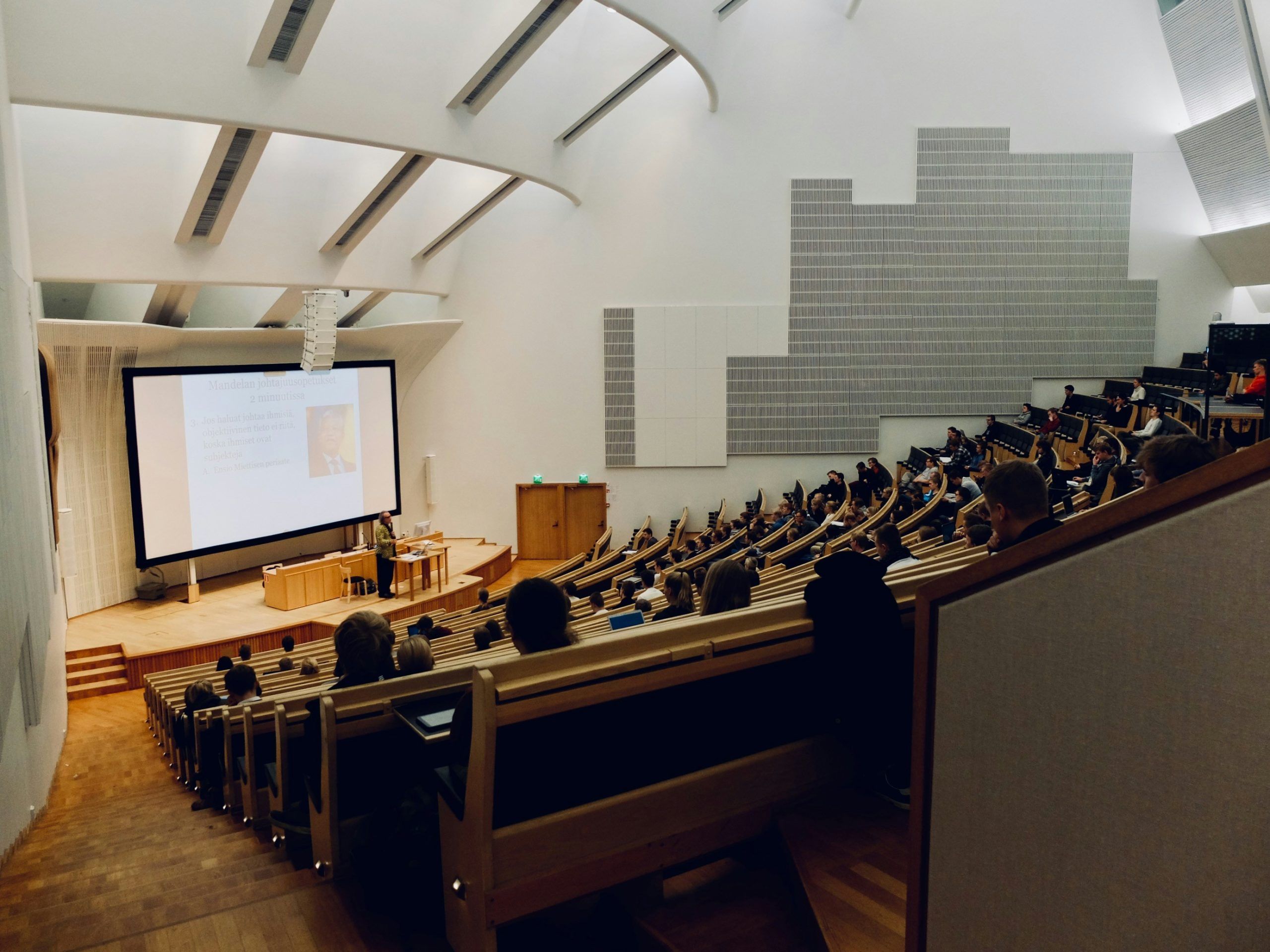
Universities are home to an increasingly wide range of students, including those who are neurodivergent. This group includes students with ADHD, autism, dyspraxia, dyslexia, and other cognitive differences. As awareness of neurodevelopmental conditions has grown, more students are coming forward to declare specific learning differences, and universities are responding by expanding the support services available to them.
For institutions looking to develop or strengthen their provision, there are a number of practical resources and services now available that can help make a tangible difference to the student experience.
What Does Neurodivergent Support Look Like in Practice?
When it comes to supporting neurodivergent students, there are plenty of opportunities to take advantage of. However, it’s important to take into account the size and structure of the institution. To start with, it’s very important to make sure that students have access to adjustments and accommodations they need so that they can focus on their studies. Some examples include alternative assessment formats, extended deadlines, dedicated one-to-one support, and assistive technology.
These days, universities are looking beyond these baseline provisions and considering embedding support more widely. This way, neurodivergent students are not only considered within the bounds of disability services but in all areas including student communications, curriculum design, and campus life.
Neurodiversity Speakers for Campus Programmes
One practical and increasingly popular step universities are taking is incorporating neurodiversity speakers into their campus programmes. Speakers with direct lived experience of neurodiversity can contribute to a wide range of university events, including student induction days, staff development sessions, awareness weeks, and wellbeing initiatives.
Platforms like PepTalk give universities straightforward access to a roster of neurodiversity speakers who can be booked for both in-person and online events. For institutions that want to ensure they have the right speaker available at the right time, PepTalk offers a reliable and flexible booking process. Whether a university is planning a large-scale awareness event or a smaller staff training session, having access to a specialist speaker platform makes the process of finding and securing the right speaker considerably more straightforward.
Neurodiversity speakers bring first-hand insight that can be valuable for both staff and students. For staff, hearing directly from someone with lived experience can help inform how they approach their day-to-day interactions with neurodivergent students. For students, seeing their experiences reflected and discussed openly can be a meaningful part of feeling supported and recognised within their institution.
Staff Training and Development
Alongside speaker programmes, universities can invest in dedicated training for academic and administrative staff. Staff who regularly interact with students are well placed to provide meaningful support, but this is only possible when they feel informed and confident in doing so.
Training in this area typically covers practical strategies for inclusive communication, adjustments to teaching and assessment approaches, and guidance on how to respond appropriately when a student discloses a neurodevelopmental condition. A number of specialist providers offer training packages that can be tailored to the specific needs and structures of individual institutions.
Reviewing and Expanding Wider Support Services
For universities undertaking a broader review of their neurodivergent support offering, there are several areas worth examining. These include the accessibility of existing disability support services, the inclusivity of curriculum and assessment design, and the availability of peer support networks for neurodivergent students.
Student engagement initiatives that give neurodivergent students a platform and a voice within the institution can also form a useful part of a wider support strategy.
For institutions seeking practical ways to strengthen their neurodiversity provision, exploring specialist speaker platforms such as PepTalk alongside dedicated training providers offers a clear and accessible starting point.
 News / Think tank finds collegiate system makes Oxbridge admissions ‘unfair’6 May 2026
 News / Downing benefactor gave Farage undisclosed £5m 7 May 2026
 Comment / In defence of Easter term6 May 2026
 News / Sidney students organise May Week event in place of May Ball6 May 2026
 News / AstraZeneca reverses decision to pause £200m Cambridge investment 8 May 2026
 News / Lucy students propose change to CamCard design9 May 2026
 Music / The Fab Four fall out9 May 2026
 Sport / Newmarket and beyond: the rise of the student raceday8 May 2026
- News / AstraZeneca reverses decision to pause £200m Cambridge investment 8 May 2026
 Comment / Help students love their subjects8 May 2026
