
Commercial Feature
How to Plan a Loft Conversion: Types, Costs & What to Expect From Your Builder
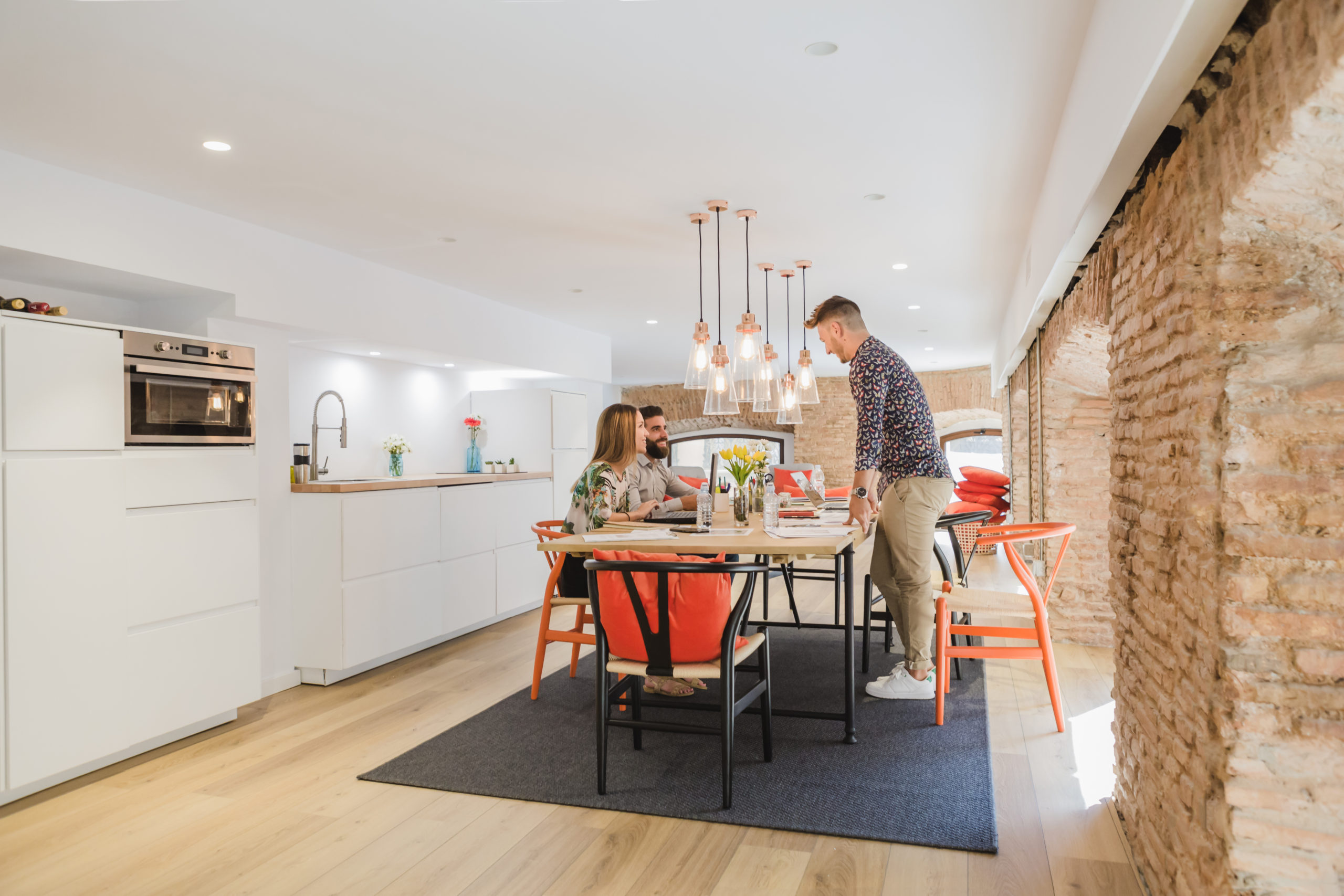
A loft conversion is one of the most cost-effective ways to add space and value to your home without the disruption of moving. Whether you need an extra bedroom, a home office, or a proper bathroom, planning a local – loft conversion requires more thought than most homeowners expect — from choosing the right type of conversion for your roof structure, to understanding what planning permission you need and how to compare quotes fairly.
This guide walks you through everything you need to know before you start: the main conversion types, typical UK costs, planning rules, and the key things to check when hiring a builder.
The Main Types of Loft Conversion
Not every loft can be converted in the same way. The shape of your roof, the height of your ridge, and the layout of your home will all influence which type is right for you. Here are the most common options:
Loft Conversion Types at a Glance
- Dormer loft conversion — the most popular choice; a box-shaped extension projects from the roof slope, creating full-height walls and maximising usable floor space
- Velux (roof light) conversion — the simplest and most affordable option; roof windows are installed without altering the roofline, ideal where head height is already sufficient
- Hip-to-gable conversion — the sloping hip end of the roof is replaced with a vertical gable wall, significantly increasing internal volume; common on semi-detached and detached homes
- Mansard conversion — the most extensive type; the entire roof slope is replaced with a near-vertical wall and flat roof, maximising space but also cost
- L-shaped dormer — two dormers combined to create an L-shape, often used on Victorian terraced houses to achieve the maximum usable area
If you are unsure which type suits your property, a reputable local conversion specialist will carry out a free feasibility assessment before providing a quote. This is worth doing early, as the structure of your roof trusses (cut roof vs. trussed rafter) can significantly affect the cost and complexity of the project.
How Much Does a Loft Conversion Cost in the UK?
Loft conversion costs vary considerably depending on the type of conversion, the size of your loft, the finish level, and your location. London and the South East generally attract a 20–30% premium over other regions.
| Conversion Type | Typical Cost Range | Timeframe |
| Velux (roof light) | £15,000–£25,000 | 4–6 weeks |
| Dormer | £30,000–£50,000 | 6–8 weeks |
| Hip-to-gable | £35,000–£55,000 | 6–10 weeks |
| L-shaped dormer | £40,000–£60,000 | 8–12 weeks |
| Mansard | £45,000–£70,000+ | 10–14 weeks |
These figures typically include structural work, insulation, a staircase, basic electrics, and one room fit-out. Plumbing for an en-suite bathroom will add £3,000–£8,000 on top. Always clarify exactly what is included in each quote before signing anything — itemised quotes make comparisons far easier.
A well-executed loft conversion can add up to 20% to your property’s value — often returning more than the initial outlay when you come to sell.
Do You Need Planning Permission?
Most loft conversions in England fall under Permitted Development (PD) rights, meaning you do not need to apply for full planning permission — provided the work stays within certain limits. However, there are important exceptions to be aware of.
When Permitted Development Applies
Under Permitted Development, you can add up to 40 cubic metres of new space for terraced houses and 50 cubic metres for detached and semi-detached homes. The conversion must not extend beyond the highest point of the existing roof, and side-facing windows must be obscure-glazed.
When You Will Need Planning Permission
- Your property is in a conservation area, National Park, or Area of Outstanding Natural Beauty
- Your home is a listed building — any alteration requires listed building consent
- The conversion exceeds the PD volume limits for your property type
- You live in a flat or maisonette — PD rights do not apply
- Previous extensions have already used up your PD allowance
Regardless of planning permission, all loft conversions in the UK require Building Regulations approval. This is separate from planning and covers structural integrity, fire safety, insulation, and means of escape. Your builder should handle the Building Regulations application as part of the project — confirm this before work begins.
What to Check When Hiring a Loft Conversion Specialist
Loft conversions are major structural projects, and the quality of the contractor matters enormously. Use the checklist below when evaluating builders.
| What to Check | Why It Matters |
| Public liability insurance | Protects you if the contractor causes damage to your property or a neighbour’s |
| Structural engineer involvement | Loft conversions require structural calculations — reputable builders use a qualified engineer |
| Building Regs application | Confirm the builder will submit and manage this — without approval you cannot sell the property |
| Itemised, written quote | Verbal estimates are unreliable; a detailed written quote protects you from unexpected costs |
| Previous loft conversion work | Ask for photos and ideally to visit a completed project; experience with your conversion type matters |
| Verified customer reviews | Look for reviews on independent platforms — not just the contractor’s own website |
Questions to Ask Your Builder Before Signing
- Will you submit the Building Regulations application, and is this included in the quote?
- Do you work with a structural engineer, and will I receive the calculations?
- What is your payment schedule, and do you require a deposit?
- How will you protect the rest of my home from dust and disruption during the build?
- What is your process if issues arise once work has started?
- Can you provide references from recent loft conversion projects similar to mine?
Is Your Loft Suitable for Conversion?
Before getting quotes, it is worth doing a quick check yourself. The minimum recommended head height for a habitable loft room is 2.2 metres measured from the floor joists to the ridge. If your current head height falls short, a dormer or mansard conversion can usually solve the problem — but at additional cost.
You should also check whether your roof uses cut rafters (easier and cheaper to convert) or modern trussed rafters (which require more structural work to open up). A quick look in the loft will tell you: cut roofs have individual beams, while trussed roofs have a web of diagonal timbers forming a W-shape.
Ready to Get Quotes for Your Loft Conversion?
Compare quotes from vetted, insured loft conversion specialists in your area. Post your job for free and receive up to three competitive quotes — with no obligation to hire.
 Comment / Top of the slops: the competitiveness of college dining4 June 2026
 Interviews / What’s the story behind Pages coffee house?8 June 2026
 News / News in Brief: Cambridge crowns, council confirmations, and competitive cricket8 June 2026
 Comment / The Cambridge drift1 June 2026
 News / Cambridge researchers produce ‘world-first’ AI vaccine6 June 2026
 Arts / Don’t rush me – I’m reading!9 June 2026
 Lifestyle / Don’t Cry at Me, Argentina – a next-year abroad story8 June 2026
- News / News in Brief: Cambridge crowns, council confirmations, and competitive cricket8 June 2026
 Science / Failure is the foundation of science8 June 2026
 Fashion / The hidden gems of formal fashion8 June 2026
