Uni awarded University of Sanctuary accreditation
The University has been recognised for its commitment to welcoming refugees and forced migrants
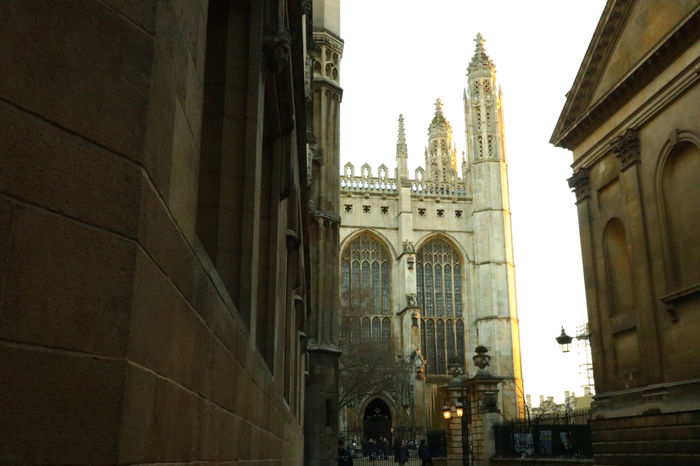
The University of Cambridge has been awarded University of Sanctuary accreditation by City of Sanctuary UK in recognition of its commitment to welcoming those seeking sanctuary, including refugees and forced migrants.
Universities of Sanctuary is a national network bringing together university staff, students, and academics across the UK to help ensure that higher education institutions are safe, inclusive, and empowering environments for people seeking sanctuary.
The programme works alongside local City of Sanctuary groups and a range of charities and organisations that support refugees. Cambridge now joins more than 50 universities and higher education institutions that have received the accreditation.
Maryam Taher, Universities of Sanctuary Programme Manager, said: “The awarding panel was delighted to recognise the University of Cambridge as a University of Sanctuary. Throughout the application process, we were impressed by the University’s clear commitment to welcome and support people seeking sanctuary.
“From the strength of its sanctuary scholarships and trauma-informed student support, to its impactful research and meaningful partnerships across the city, Cambridge has demonstrated a genuine institution-wide approach to embedding sanctuary values. We look forward to seeing the University build on this momentum and continue expanding opportunities for those affected by forced displacement.”
Cambridge has a history of providing safe spaces for those fleeing war or conflict in their home countries. Following the Soviet Union’s invasion of Hungary in October 1956, approximately 500 students fled the country and settled in the UK. The University provided places for many of these students, while the rest settled in other UK universities.
Further, when Russia invaded Ukraine in 2022, the University hosted more than 60 doctoral students from Kharkiv on seven week placements.
More recently, the University has offered scholarships to students from Palestine and Sudan.
Students with refugee status can access funding through the Cambridge Trust. The Rowan Williams Cambridge Studentship, created in 2018 and named after the former Archbishop of Canterbury, chair of the Cambridge Trust and master of Magdalene College, has supported 72 undergraduate and postgraduate students to date.
Refugee students from Africa are also eligible for support through the Mastercard Foundation Programme, and the University additionally provides fellowships for displaced scholars through the CARA scheme.
Shaliny Lingeswaran, co-chair of the University of Cambridge’s STAR (Student Action for Refugees) group, is also an equal access advocate for the organisation. She is a refugee herself, having escaped the Sri Lankan civil war with her mother at the age of nine.
Lingeswaran said: “I’m excited to hear this news and glad it’s come while I’m still a student here. In terms of what kind of support we need to have in place, it’s important to have people available who can signpost students towards the relevant sources. Cambridge is a large university with 31 colleges so sometimes I feel things aren’t as streamlined as they could be. It’s important students from forced displaced backgrounds receive guidance so their mental health and academic support needs are met.”
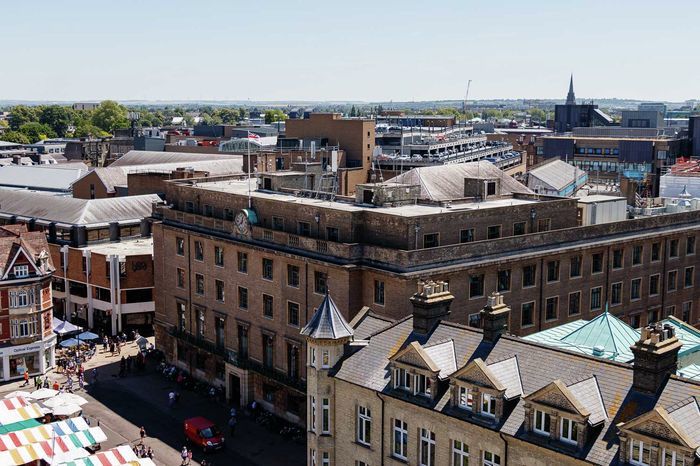
Professor Kamal Munir, the Pro-Vice-Chancellor for Community and Engagement, stated: “The University is proud of its record in offering a safe haven for those fleeing war, conflict or persecution in their home countries. Receiving the University of Sanctuary accreditation is important as it signifies we are an institution that is inclusive, that supports talented individuals whose education has been disrupted and that cares about people. It also highlights our commitment to ensuring we provide a welcoming home for young refugees, many of whom are left traumatised by their experiences.”
For the past ten years, Cambridge has been recognised as a City of Sanctuary, with Cambridgeshire County Council also holding Council of Sanctuary status.
The University plans to collaborate with partners across the city and county to coordinate shared objectives and organise future events. A new website has also been launched to outline the support available to staff and students, and to provide more information about the programme.
 Comment / Top of the slops: the competitiveness of college dining4 June 2026
 Interviews / What’s the story behind Pages coffee house?8 June 2026
 News / News in Brief: Cambridge crowns, council confirmations, and competitive cricket8 June 2026
 Comment / The Cambridge drift1 June 2026
 News / Cambridge researchers produce ‘world-first’ AI vaccine6 June 2026
 Arts / Don’t rush me – I’m reading!9 June 2026
 Lifestyle / Don’t Cry at Me, Argentina – a next-year abroad story8 June 2026
- News / News in Brief: Cambridge crowns, council confirmations, and competitive cricket8 June 2026
 Science / Failure is the foundation of science8 June 2026
 Fashion / The hidden gems of formal fashion8 June 2026