
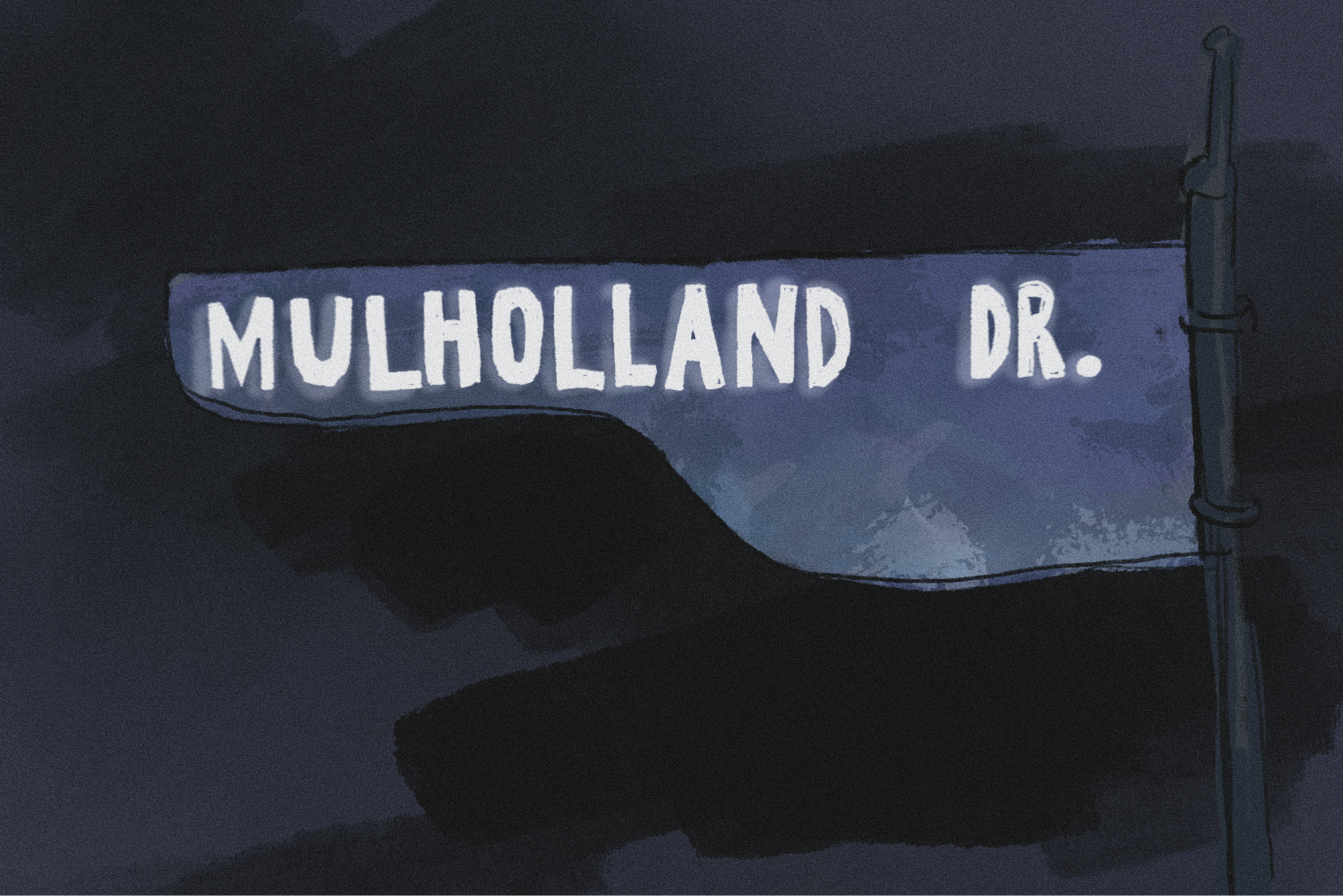
The revival screening is a staple of any respectable cinema. I first became aware of the practice of rescreening older films during the 2020 pandemic, when lockdown restrictions meant that there was a significant dip in the cycle of blockbuster releases. Resulting box office stagnation left a gaping hole for bookings, into which my local cinema poured various retro favourites from The Empire Strikes Back (1980) to The Karate Kid (1984). In the years since, I’ve reaped the benefits of screenings of this kind. Most recently, I went to see a showing of David Lynch’s 2001 Mullholland Drive, a surrealist neo-noir masterpiece currently celebrating its 25th anniversary. The film defies a tidy synopsis: amnesia, mob-pressured movie casting, and a purse full of cash all intertwine in a story that leaves you questioning the reality of anything you have been shown. For the two hours of its runtime, I was swept up in a world of artifice and paranoid lust, but it was only after the screening that I began to reflect on the effect of the film’s ‘revived’ nature on my experience. There is a clear case to be made for movies that predate streaming culture deserving to be seen in the original format imagined by the director. In an increasingly nostalgic industry, though, I think it is worth considering the balance between breathing new life into works from the past and getting stuck in a mire of retrospection.
The element of immersion is most immediately obvious as a benefit of the big screen experience. I can’t help feeling that cinematographer Peter Deming’s work on Mullholland Drive would be diminished if it were streamed on a laptop or phone. In the cinema, the glowing vista of a nocturnal Hollywood filled my vision. No peripheral distractions burst the bubble of escapism: the audience was engulfed in fluorescence from the opening scene, and remained entranced. Angelo Badalamenti’s score was brought to life in its intended surround-sound form. I could fiddle with a pair of headphones to achieve a pale stereo imitation, but there is no match for having the composer’s swelling strings flood the screening room.
“I was forced to sit with my uncertainty, and appreciate the menacing atmosphere of Lynch’s nightmarish Los Angeles”
Revivals also ensure a degree of engagement with a given film that can be lost through home viewing. Lynch’s modern classic is notoriously difficult to follow; the director's obsession with ‘dream logic’ and non-linear plotting is on full show. Had I enjoyed the film in my living room, a Wikipedia summary would have been summoned at the first signs of confusion. Surrounded by fans in the dimmed lights of the Arts Picturehouse, though, meant my phone needed to stay in my pocket. I was forced to sit with my uncertainty, and appreciate the menacing atmosphere of Lynch’s nightmarish Los Angeles rather than the logical intricacies of his characters’ shifting identities.
A cinephile can get wrapped up in these physical elements of filmgoing, but the joy of revival screenings also rests in their nature as a social experience. When the technicalities of a 4K restoration or director’s cut are stripped back, these events, at their core, offer an opportunity for a community to engage with a common passion. I was reminded of the fun of a shared cinematic experience halfway through the Picturehouse screening. Lynch, no stranger to disturbing corporeal images, threads a motif of bodily decay through the second half of Mullholland Drive. Alone, I may well have become numb to the repeated shot after its first reiterations, but the spectator to my right, so sickened by its initial appearance as to cover her face when she suspected a recurrence, lent a vicarious freshness to the shock.
Returning to a previously released feature allows for a blend of familiarity and fresh perspectives among the audience. Mullholland Drive’s infamous jump-scare scene –“Winkie’s Diner” should be enough to jog the memory of those in the know – would have rattled every cinemagoer in 2001. A quarter of a century later, the cinema allowed me to witness firsthand how a new tension has materialised. As the jarring moment neared, the dread of first-timers mingled with the excitement of fans who knew what was to come. It was a dynamic between viewers that a twenty-five year gap had created, and an energy that only a revival screening could generate.
“It is important that we don’t forget to look forward; ultimately it’s what Lynch would have wanted”
However, it should be acknowledged that the tradition of showing older films to a modern audience is not bulletproof to critique. By encouraging engagement with past releases, cinemas open themselves up to accusations of fueling a ‘nostalgia culture’. It’s certainly easy to romanticise the classics above new offerings, and to find yourself reaching past the brilliance of the latest artists for an era you never got to experience. When the balance is struck well, though, filmgoers can savour a dialogue between what’s come before and what’s happening now. Mullholland Drive’s hazy narrative could form an enriching double bill with Lynne Ramsay’s Die My Love (2025), also screened last autumn. Both works centre on the psychological subjectivity of their female protagonists and offer a vivid, often disorienting sensory experience. Lynch’s film, though, is partially an industry-wide Tinsel town critique; Die My Love remains focused on the intensely personal plane of postpartum identity.
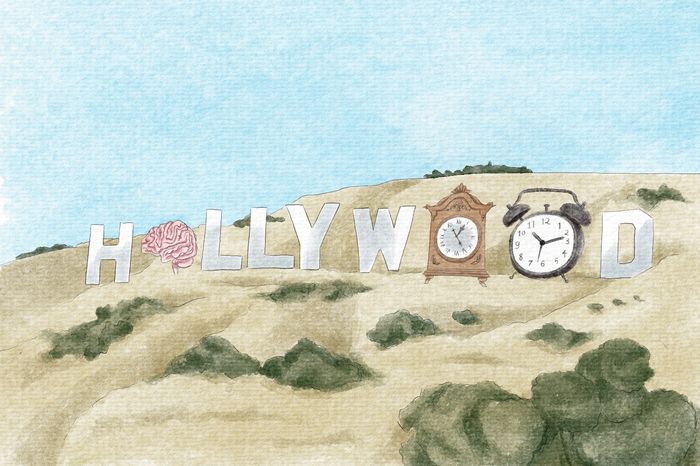
I would urge you to make the most of revival screenings, and the portal into the silver screens of previous decades they provide. The term ‘revival’ is not an arbitrary one. Whether it is by lifting cult gems out of obscurity, or bringing the attention of a new generation to theatrical hits before their time, these slots on a cinema’s schedule keep their handpicked films alive. Mullholland Drive is filled with acts of retrospection. At the heart of the film are fragmented memories, a Hollywood that haunts itself with cinematic history, and a structure that forces us to retrace our steps. However, it would be wrong to mark Lynch’s film as entirely backward-looking. Mullholland Drive’s narrative refuses resolution, celebrates ambiguity, and revolves around a sense of 'becoming', just as much as it is about looking at who you used to be. In terms of cinematic history, the film also signals a significant step forward, showcasing what mainstream cinema in the 21st century could be. I think it is valuable to consider revival screenings through the lens of this Lynchian arc. Just as much as we should be aware of the movies that came before, and dedicate time to unpicking the messy trajectory towards the present, it is important that we don’t forget to look forward; ultimately it’s what Lynch would have wanted.
