
Commercial Feature
How Domestic Water Softeners Work in Different Water Conditions
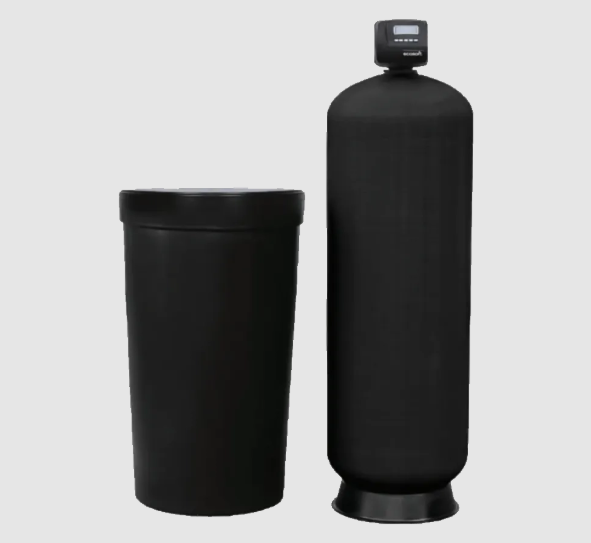
Domestic water softeners do not work in exactly the same way under all conditions. Water hardness, iron, manganese, sediment, and water source stability all influence how well a system performs. That is why the same home water softener may work well in one property and require a different setup in another. Matching the system to the actual water conditions is the key to reliable long-term softening.
How water conditions affect softener performance
Water softener performance depends first on hardness level, but it is also affected by the overall water composition. In standard hard water conditions, a softener mainly targets calcium and magnesium. In more challenging conditions, extra contaminants can increase the load on the system and change how efficiently the resin works. A domestic softener always performs best when the system design reflects the real water profile rather than hardness alone.
Domestic softeners in hard and very hard water
In hard water, a correctly sized water softening system can usually provide stable reduction of scale-forming minerals and support everyday household use without difficulty. In very hard water treatment, the system may need higher capacity, more frequent regeneration, or a more carefully selected control setup. The harder the water, the more important correct sizing becomes. A hard water softener that is too small may exhaust too quickly and deliver less consistent results.
Adjusting softeners for well water and municipal supply
Well water and municipal water often require different approaches. Municipal supply is usually more stable, so a standard domestic water softener can often focus mainly on hardness reduction. Well water can be more complex. Iron in water, manganese in water, and sediment in water may all affect performance and may require pretreatment or a combined system instead of a standard softener alone. In these cases, the goal is not only softening, but also protecting the resin and maintaining stable operation.
Choosing the right system for specific water conditions
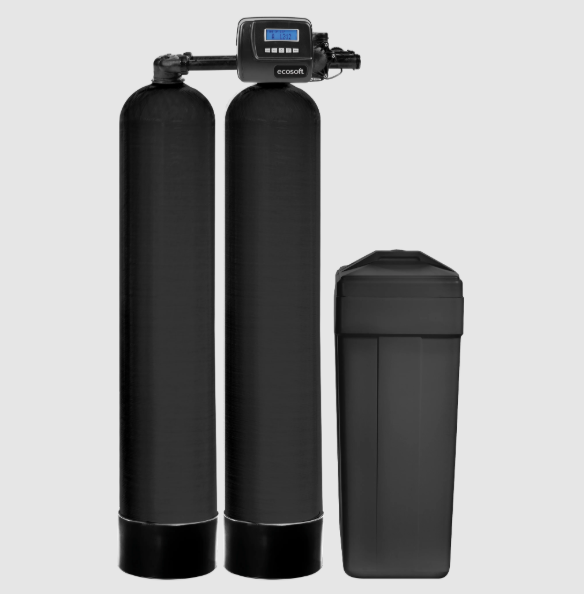
The right system depends on the full water profile, not only on whether the water is called hard. A home water softener for municipal supply may be selected by hardness level and daily water demand. A softener for well water may need additional protection against iron, manganese, or particles before the softening stage. Capacity, regeneration logic, maintenance needs, and compatibility with the source water should all be compared before choosing a system.
Conclusions
Domestic water softeners can improve household water quality across many different water conditions, but performance always depends on the match between the system and the source water. Hard and very hard water require correct sizing, while well water may require more advanced treatment design than municipal supply. For that reason, the most effective water softening system is the one selected for the real water conditions in the home.
 News / Think tank finds collegiate system makes Oxbridge admissions ‘unfair’6 May 2026
 News / Downing benefactor gave Farage undisclosed £5m 7 May 2026
 News / Sidney students organise May Week event in place of May Ball6 May 2026
 Comment / In defence of Easter term6 May 2026
 News / University staff continue to strike for pay supplement7 May 2026
 Sport / Newmarket and beyond: the rise of the student raceday8 May 2026
 News / AstraZeneca reverses decision to pause £200m Cambridge investment 8 May 2026
 Comment / Help students love their subjects8 May 2026
 Fashion / Wedges and why you need a pair8 May 2026
- News / Downing benefactor gave Farage undisclosed £5m 7 May 2026
