
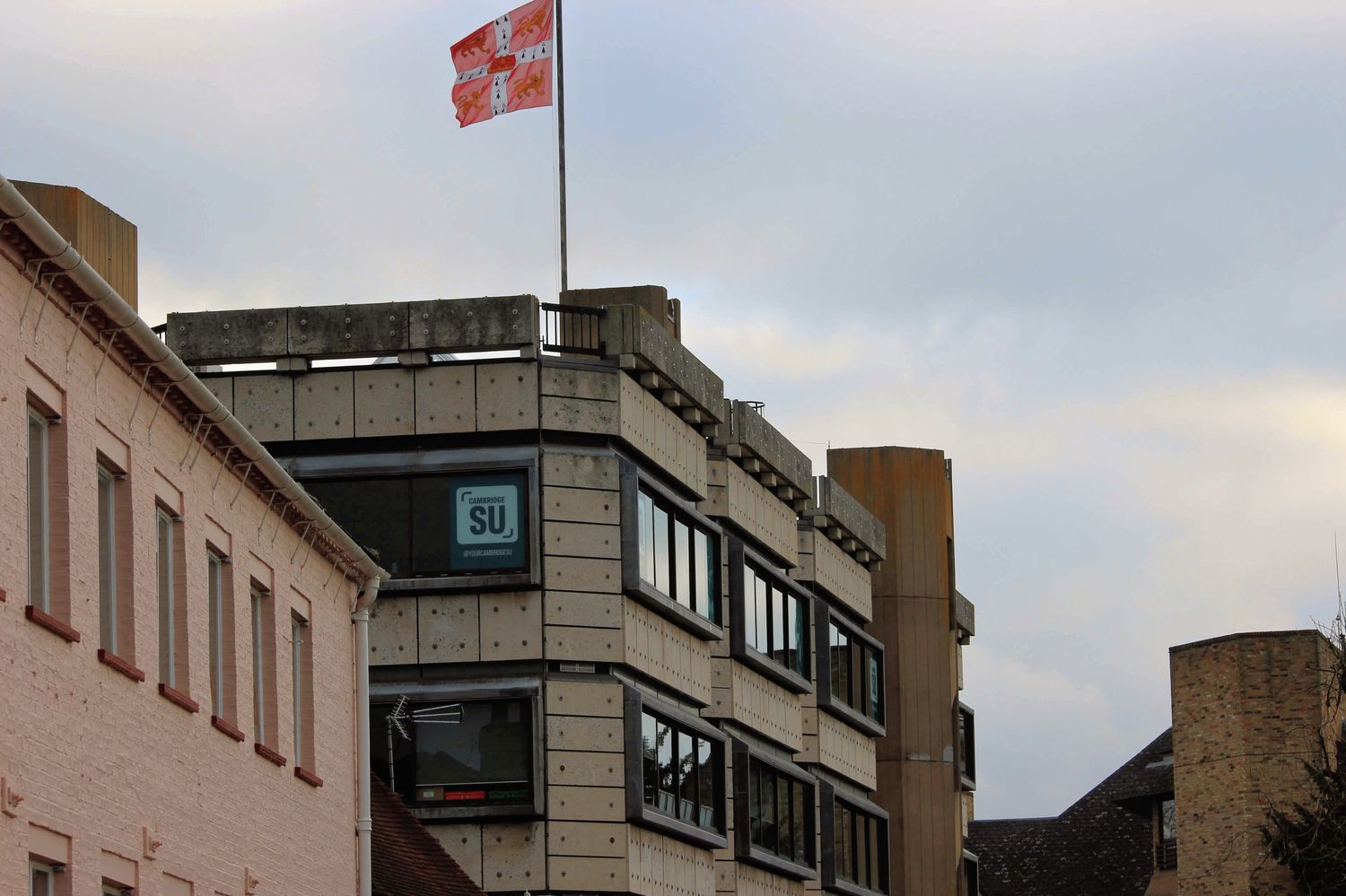
The Students’ Union (SU) has announced the candidates for its leadership elections next week.
Voting is set to take place online between 9am on Monday 23 February and 3pm on Thursday 26 February. Provisional results will be announced at 7pm on Thursday, with the official results being confirmed shortly afterwards.
Five of the roles up for election are full-time, paid positions, for which the candidates are either final-year students or intending to intermit if elected. These include the postgraduate and undergraduate presidents, as well as three vice-presidents: education and widening participation; liberation and welfare; and student community and societies.
There will also be an opportunity to vote for the third student member of the University Council – the main decision-making body of the University – alongside the two SU presidents. This role is not part of the SU, and is undertaken alongside full-time study.
This year, there are four candidates for postgraduate and three for undergraduate president. The most contested role is vice-president for education and widening participation with five candidates. Two students are vying for liberation and welfare, and two for student community and societies, while four candidates are hoping to become university councillors.
Among the candidates for postgraduate president is Jeeves Rohilla, the PhD student in theology and MCR president at Lucy Cav best known for his social media videos interviewing students outside the University Library.
Rohilla has consciously drawn inspiration from the campaign of New York mayor Zohran Mamdani, and is promising to allow students to “Ask Jeeves” questions from 1-2pm on Sidgwick Site every day of election week. His policies include redistributing wealth between colleges, protecting social mobility, and supporting international students.
Running against him is Roman Shainskyi, a master’s student in entrepreneurship whose LinkedIn boasts of founding three companies and earning a black belt in hand-to-hand combat. His manifesto focuses on encouraging start-ups, expanding income opportunities for students, and facilitating collaborations with industry.
The other candidates for postgraduate president are Olivia-Chineze Riddle and Sonia Fereidooni. Riddle is a first-generation student and the postgraduate representative for linguistics. Her goals include abolishing master’s application fees, developing a peer mentoring system to strengthen links between master’s and PhD students, and campaigning to allow deferred entry to master’s courses.
Fereidooni is a Gates Scholar, meaning her PhD in digital humanities is funded by the charity of Microsoft founder Bill Gates. She is also the co-founder of Gates Against Genocide, and a central part of her programme involves strengthening ties between the SU and student activists. Fereidooni wants the University to divest from weapons illegal under UK law, increase transparency around its exposure to the defence sector, and end the casualisation of postgrad workers.
Melanie Benedict, currently vice-president for liberation and welfare, is running against Nesar Rafiq and Sophia Choudhury to be undergraduate president. Their pledges include supporting rent strikes and urging colleges to pause rent increases, advocating for reduced workloads and obligatory lecture recordings, and backing campaigns for ethical investments as well as trans inclusion in sport.
Rafiq is a part-time mature student who ran for undergraduate president in 2025, but was deemed ineligible by the returning officer as he was not considered an undergraduate. The SU’s board of trustees later overturned this decision, but he ended up losing the election to Matthew Copeman. This year, Rafiq is running on a platform of expanding mental health and financial support, protecting the right to protest, and implementing diversity and inclusion initiatives.
Choudhury is a third-year geographer at Fitzwilliam and president of Cambridge’s Palestine Solidarity Society. She has previously campaigned for arms divestment, the evacuation of Gazan students with offers from UK universities, and the SU’s disaffiliation from the National Union of Students. She also wants bursaries to increase in line with inflation, and the careers service to adopt a stricter ethics policy.
Jessica Asiedu-Kwatchey is hoping to retain her role as vice-president for education and widening participation, with policies including the publication of an Alternative Prospectus for postgraduate students, and the organisation of research into student mental health support.
She is up against Martin Varga, a fourth-year engineering student campaigning for marking transparency and a universal right to exam resits, and Maya Karthikeyan, an Indian MPhil student who studies education at Medwards. Karthikeyan is proposing a peer mentoring scheme for marginalised students, and a project uncovering the “hidden curriculum,” or unspoken norms that govern Cambridge life.
Also vying for the role are Corrine Kola-Balogun, a final-year HSPS student running on the continuation of widening participation initiatives beyond admissions and the need to listen to marginalised students, as well as Sarah Misraoui, a third-year historian and former Peterhouse JCR president. Misraoui has by far the longest list of proposals, ranging from the creation of an “SU Affordability Task Force” to a campaign for all colleges to offer fully subsidised language centre courses.
The race for the liberation and welfare role is between Yuqing Yang, a master’s student in linguistics at Girton, and Talulla Harris, a third-year geographer. Yang says she was inspired by her mental health experiences to run for the position, and hopes to improve the University’s support services.
Harris is currently the SU’s women’s liberation representative, and participates in activist groups such as Cambridge for Palestine and Gender Agenda. Their goals include standardising rent across colleges, and improving the safety of marginalised groups.
The current vice-president for student community and societies, Olivia Ledger, is competing against Stella Wilkinson for re-election to the role. Ledger’s programme focuses on streamlining society registration and grant applications, reducing waiting times for complaints to the University’s disciplinary body, and establishing a Renters’ Union.
Wilkinson is a climate sciences student at Medwards, and a frequent speaker at protests organised by Cambridge for Palestine, Trans Liberation Cambridge, and others. Her manifesto includes campaigning for students to have walk-through access to all colleges, working to prevent course closures, and establishing a reporting system for abuse and corruption.
Among the candidates for university councillor, though without a manifesto, is Vareesh Pratap, the former postgraduate president who, in 2024, undertook a 45-day hunger strike to highlight alleged nepotism within the SU.
The other candidates are Bethany Watson, Nmesoma Kamalu, and Abel Mavura. Watson is a second-year historian at Lucy Cav whose manifesto focuses on reforming sexual violence reporting at the University, establishing a system for allowing student petitions to reach the Council, and standardising the quality of academic feedback and resources across colleges.
Kamalu is a second-year land economy student at Robinson, and president of the Cambridge University African-Carribean Society. She emphasises collecting structured feedback from students, making evidence-based decisions, and listening to marginalised voices. Meanwhile, Mavura is a Zimbabwean PhD student in Architecture and Urban Studies, whose focus is on clear communication and transparency, the impact of decisions on students, and accountability.
For each role, students can also vote to reopen nominations if they are unhappy with the selection of candidates. The SU uses a Single Transferable Vote system, meaning that students can rank as many candidates as they like in order of preference.
Students will also be able to vote in a referendum on whether to amend the SU’s constitution, known as the Articles of Association. Once elected, the new team will take up their positions in July.
