If you ask a member of the UK public which television show dominated their year, I could easily guess that they would say The Celebrity Traitors. The finale boasted 15 million viewers, with an average viewership of 13 million across the entire series, and the show has created so many viral moments. From Alan Carr’s iconic prowl across the castle grounds with his lantern, to the national treasure that is Celia Imrie merely being herself. Claudia Winkleman is also a major reason for the show’s success – a presenting force to be reckoned with, creating atmosphere as soon as the camera panned to her dramatic, bedazzled cape. The celebrity edition of The Traitors also drew in more viewers than the regular show, which still held an impressive 10 million viewers for the Series 3 finale. But one thing is clear: there is a demand for more.
Already, people are sat waiting desperately in anticipation for Series 4, expecting bigger and better twists than before. While I do share this anticipation, I can’t help but feel slightly worried for how the new series will play out. Even with only four series of the show, producers are already creating manufactured twists to create more excitement, which somewhat fall flat. For example, the addition of The Seer, while an interesting idea, instead just doomed both The Seer and the person who was Seen, interrupting the natural progression of the game. The show is truly at its best when it is just people desperately trying to do gameplay in a world where the only ones in control are the few Traitors. It causes natural, unproduced, human drama, like the devastatingly awkward and notorious girlfriend reveal in Series 1, or the ultimate betrayal at the end of Series 2.
“as the viewership grows, will that initial sparkle continue to fade?”
Series 2 appears to be a fan favourite due to its thrilling strategy and dynamic relationships, but Series 1 will always be special to me because no one had any idea what was happening. It was new to the screen. There was no real strong gameplay because no one had any past experiences to go from. The success of it could not have been predicted, and people were on the show because of the exciting concept. They weren’t on to gain some followers, or to become famous, but were there for the game. That unique feeling can never be replicated, and as the viewership grows, will that initial sparkle continue to fade?
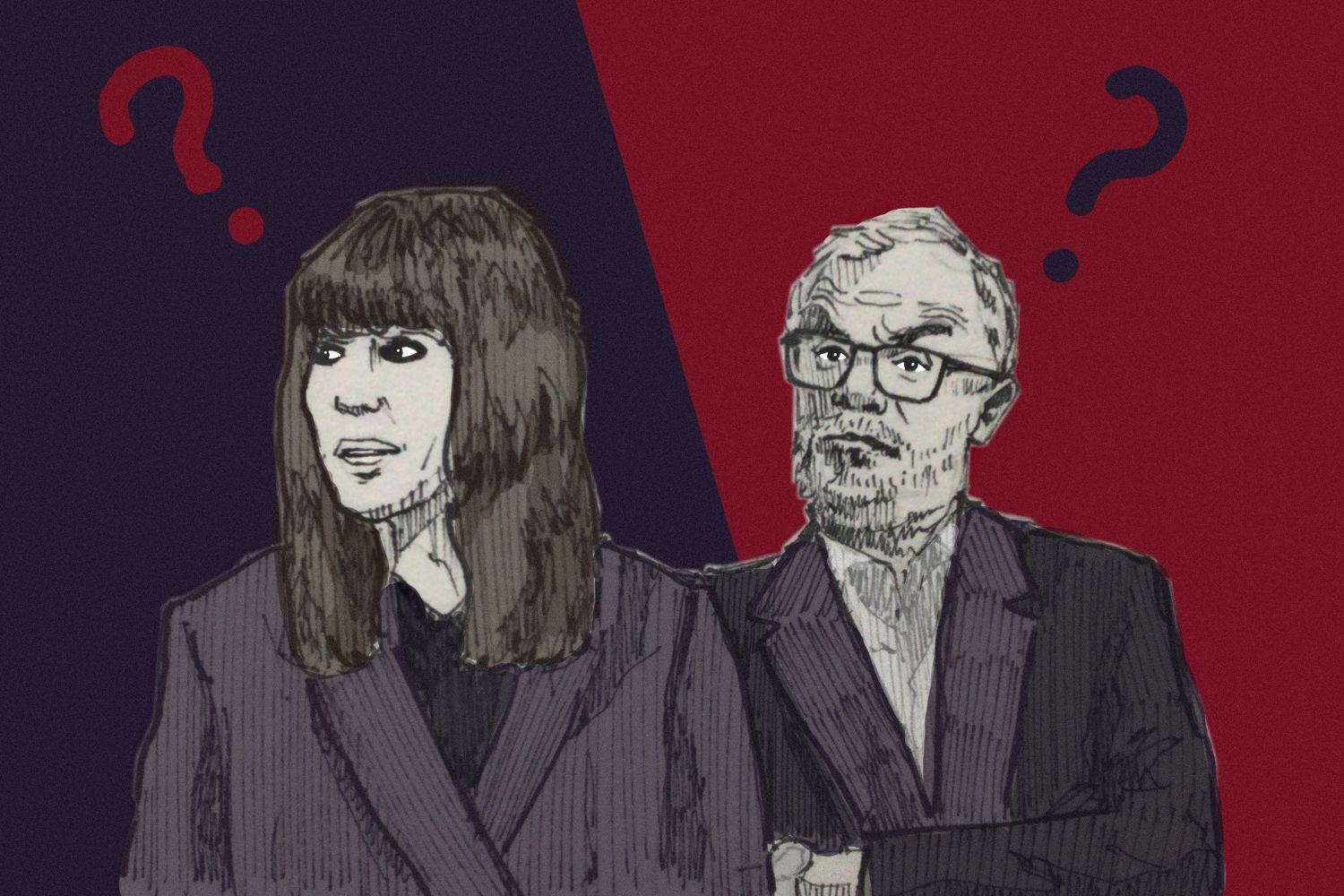
The concept is already intrinsically flawed. Journalist and television personality respectively, and co-hosts of The Rest is Entertainment podcast Marina Hyde and Richard Osman point this out in an episode titled ‘Has The Traitors Failed As A Format? ’
“With any format, some of the innocence is gone, and people understand much more about the gameplay, and so everyone now wants to be a traitor. With your producer hat on, you have got to disrupt it a bit, and so you constantly have to make things that one doesn’t expect happen,” Hyde points out. This was especially noticeable in Series 3, with Faithful-turned-Traitor Charlotte, and the revelation of her false Welsh accent. There was the idea that the Welsh accent is more trustworthy, but at heart it is a ploy for a shock factor, and these producer-engineered secrets become less thrilling each time they happen (no one can top the bombshell of “but Ross is”, however).
“Another big flaw of course, is there’s three traitors. Then, what if they get voted out immediately?” Osman continues. “The early weeks of it […] are meaningless because they’re just going to get replaced.”
“You might as well, for the first three weeks, just get rid of people who annoy you!”
But of course, this is not as compelling on the big screen. There needs to be drama, and one side cannot run away with the win too easily for the sake of tension. This reduces its longevity as a format. As more series are produced, and as more people engage with the past mistakes and previous successes, it becomes more manufactured. Gameplay becomes more calculated, and relationships become forced to create a viral clip. The show loses what drew so many people towards it in the first place. The format is also limited in the sense that there are only so many ways you can twist a situation, and eventually, all solutions will be used up. How many times can someone double, triple, quadruple bluff, before everyone just sees it coming? I fear this will lead to even more producer intervention, desperately trying to fill up cracks in the wall as more form around it, ultimately resulting in its collapse.
“How many times can someone double, triple, quadruple bluff, before everyone just sees it coming?”
However, while they are drawn from the same base idea, I see The Celebrity Traitors holding up for much longer. If they had Stephen Fry on Series 1, who else could they hire? People tuned in for the big names and to see how all of these different people would interact, and stayed for the theatrics that are characteristic to The Traitors. If stars of similar calibre continue to join each new cast of The Celebrity Traitors I can only imagine it will grow in popularity. The experience that these people have in front of a camera is infinite in comparison to the members of the public from normal backgrounds, who may not understand how television is made in comparison to the industry veterans. This makes it, for many, far more engaging and exciting.
Other television shows such as Taskmaster boast 20 series, not to mention the bonus episodes like ‘The New Year’s Treat’ and ‘Champion of Champions’. Yet, it is not stale. Still, they find the perfect balance of older, practised, beloved comics and newer, fresh and undoubtedly hilarious younger comics. Stars like Ania Magliano, an alumni of Girton College, have shot up in popularity thanks to her hijinks on Channel 4, while those like Reece Shearsmith continue to be loved across the nation. Tasks become more and more ridiculously complicated, but the ways in which the comedians handle them are as hilarious and questionable as ever. The Traitors relies on carefully selecting members of the public and entrusting them to perform in a way they are not used to for the sake of entertainment. However, Taskmaster is simply letting comics slip into a pair of worn, only mildly unfamiliar, boots. There is so much more room to be creative and even after ten years of the format, I still find myself laughing just as much at Series 1 as Series 20. I’m not sure I envision the same future for The Traitors.
“Despite those flaws, I still find it an incredibly compelling television show,” argues Osman, and I cannot help but agree. But how long can it remain compelling? And will the BBC have mercy on us and end it before it becomes a parody of what it once was, or will the initial success be milked for eternity? When will we have too much of The Traitors?
Ratings provided by Barb Audiences Ltd.